
Citizen Lab Finds Online Ads Delivered Spyware to Al Jazeera Devices
Researchers say spyware reached dozens of Al Jazeera devices through online ads without requiring a click, exposing an advertising channel that governments can exploit for surveillance.
By Hushread Stories, written with AI from 14 outlets · First published 15 Oct 2026
In brief
- Citizen Lab found evidence that malicious online advertisements infected dozens of devices at Al Jazeera.
- The technique requires no click or other action from the person whose device is targeted.
- Researchers say Israeli advertising company DiscoverTech helped spyware developers place hacking software on popular websites.
- The investigation linked the infections to Candiru, an Israeli spyware maker that sells its software to governments.
- Reports describe both phones and computers, but the full scale of infections remains unclear in the coverage.
Timeline · 4 moments
Candiru linked to advertising attacks on Al Jazeera
The Hacker News ↗Citizen Lab finds dozens of Al Jazeera devices infected
TechCrunch ↗Researchers identify AdFection technique requiring no victim interaction
Financial Times ↗DiscoverTech accused of helping spyware developers place malicious ads
NBC News ↗How it started
An online advertisement did not need to persuade its target to click. Simply being shown the ad was enough to deliver spyware, according to Citizen Lab findings reported by TechCrunch.
The digital rights unit found evidence that dozens of devices at Al Jazeera had been hacked after being shown malicious ads. That makes this more than a demonstration of a possible attack: researchers identified infections at a specific news organization.
How it unfolded
The coverage supplied for this story was published on October 15, 2026. It describes related findings from the investigation, rather than a dated sequence of individual attacks.
NBC News reported that Israeli advertising company DiscoverTech had secretly helped spyware developers place hacking software on popular websites for years. Its report connects the spyware operation to an advertising business capable of placing material where targets would encounter it.
The Financial Times described the Israeli-developed technique as "AdFection," saying it could infect phones through targeted ads without any interaction from the victim. The absence of a required click is what makes the attack a zero-click technique.
The Hacker News linked the Al Jazeera infections to Candiru, an Israeli maker of spyware sold to governments. It reported that ordinary online ads delivered the infections without requiring any action from users.
Bloomberg Technology reported that two Israeli companies manipulated advertisements to install surveillance software on dozens of computers at Al Jazeera. Al Jazeera also reported Citizen Lab's finding that dozens of its devices were infected through advertisements.
Where it stands
The clearest documented target in this coverage is Al Jazeera. TechCrunch framed Citizen Lab's findings as evidence that governments are abusing online advertising to hack people, while The Hacker News identified the spyware supplier's government customer base. The supplied reports do not name a government responsible for the Al Jazeera operation.
The accounts differ in scope and terminology. Bloomberg Technology described computers, while the Financial Times focused on phones. Middle East Eye described millions of devices as infected, a much broader claim than the dozens at Al Jazeera identified elsewhere. The supplied coverage does not reconcile those figures, so advertising reach should not be treated as a confirmed infection count.
What to watch
The central unanswered questions are which governments used this channel, how many devices were successfully infected beyond Al Jazeera, and which advertising networks carried the malicious ads. The supplied coverage also does not establish whether the delivery mechanism has been blocked.
More in Technology
All →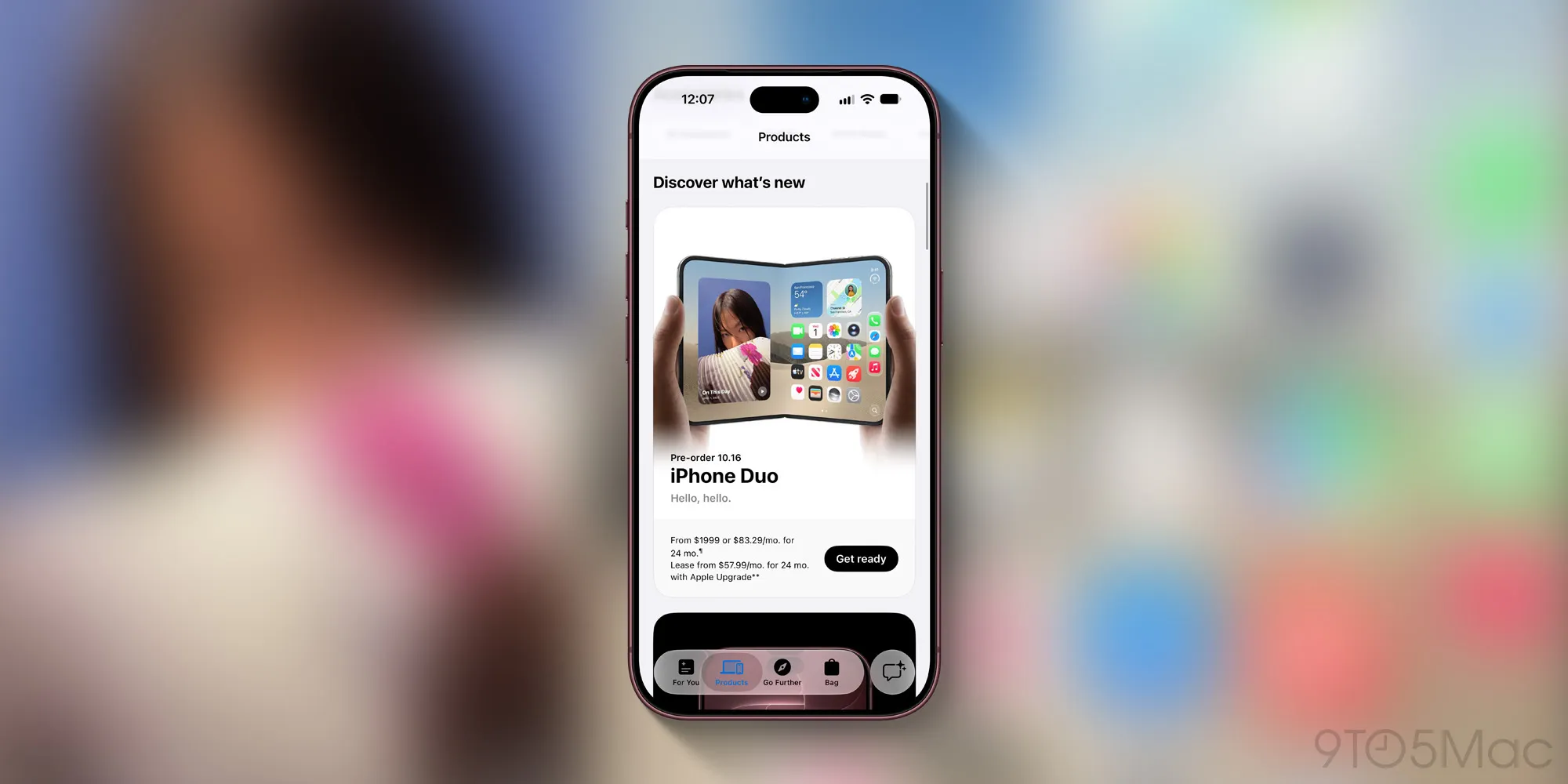
Apple iPhone Duo Preorders Open October 16 as Repair Costs Emerge
Apple is letting buyers prepare orders for its first foldable phone before Friday's launch, while newly reported repair fees make the cost of ownership a pressing consideration.
19 sources · over 4 days
Meta launches Muse Wonder models, then opens Spark for developers
Meta is pairing proprietary AI models for demanding assistant tasks with a downloadable alternative, giving developers more options while keeping its most advanced technology closed.
47 sources · over 6 days
Apple Unveils $299 HomeView at Welcome Home Event in New York
Apple introduced HomeView, an updated Apple TV 4K and HomePod mini 2 at its October 13 event, with HomeView pre-orders open ahead of its November release.
57 sources · over 7 days