
Cornell Fraternity Party Ban Fails to Quell Anger Over Assault Response
Cornell's suspension of fraternity parties has not ended scrutiny of its response to alleged sexual violence, with faculty debating no confidence and the board appearing to support administrators.
By Hushread Stories, written with AI from 35 outlets · First published 17 Oct 2026 · Chapter 4 of 4
Earlier: Cornell suspends fraternity parties as faculty challenge handling of rape allegations
In brief
- Cornell suspended parties and social events at Interfraternity Council houses through the end of the academic year.
- The measures follow allegations that a former student was gang raped at a fraternity house in 2024.
- President Michael Kotlikoff faced angry faculty questions about his administration's response during a meeting on Wednesday.
- Cornell appointed Sally Yates to independently review its response and announced additional sexual assault investigators.
- The board appeared to support administrators as faculty considered no confidence and students protested during homecoming weekend.
Timeline · 6 moments
Board appears to back administration amid homecoming protests
The New York Times ↗Some faculty remain unconvinced by announced measures
The New York Times ↗Kotlikoff acknowledges never following up on report
The Independent ↗Faculty begin debating resolution of no confidence
ABCNews.com ↗Sally Yates appointed to review university response
Euronews ↗Cornell suspends fraternity parties through academic year
Global News ↗How it started
The crisis centers on a former student's allegation that she was gang raped at a Cornell fraternity house in 2024. Her lawsuit, brought under the name Jane Doe, has intensified scrutiny of the university's response, according to The Hill.
The criticism extends beyond fraternity parties to how university leaders handled her report. Le Monde reported that the case also prompted criticism of prosecutors, who had not brought charges against the alleged perpetrators in 2024.
How it unfolded
On October 13, Cornell President Michael Kotlikoff announced a suspension of parties and social events at Interfraternity Council houses through the end of the 2026-27 academic year, according to Global News. Al Jazeera reported that fraternities violating the ban face immediate emergency suspensions.
The announcement included changes to investigations and oversight. The Hill reported that Cornell would add trained sexual assault investigators to its police staff, while Global News reported a role for state police. Cornell also appointed former US Deputy Attorney General Sally Yates to conduct an independent review of its response, according to Euronews.
Kotlikoff apologized in a letter for what happened to the student and promised meaningful action, NPR News reported. But the measures did not resolve faculty concerns.
On October 14, faculty began debating a no-confidence resolution condemning the university's response to sexual violence, according to ABCNews.com. At that day's meeting, Kotlikoff faced angry questions about his administration's handling of the allegations, Associated Press reported.
Kotlikoff acknowledged missteps while defending subsequent actions, according to The Hill. The Independent reported that he acknowledged never following up on the student's report. By October 15, some faculty members said the announced measures had not persuaded them, according to The New York Times.
Where it stands
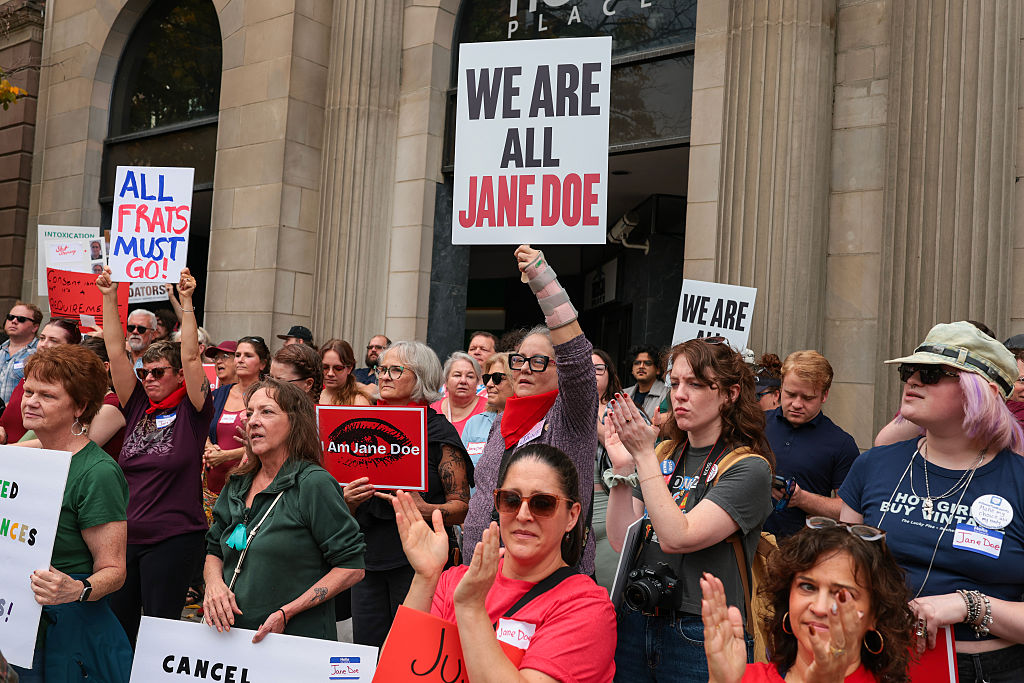
The party suspension remains the university's most visible restriction, but the dispute now reaches its leadership. On October 17, The New York Times reported that Cornell's board appeared to back the administration while some students protested during homecoming weekend.
The supplied coverage does not report a final outcome of the faculty no-confidence effort or findings from Yates's independent review. The allegations remain allegations, and the party ban does not itself resolve questions about the university's handling of the case.
What to watch
The pending issues are the faculty's no-confidence effort and the independent review of Cornell's response. The review's findings could provide a fuller account of how the university handled the report, while the faculty debate will test whether the announced changes address members' concerns.
Implementation also matters: Cornell has announced additional investigative resources and a state police role. The coverage does not yet establish how those arrangements will work in practice.
More in World
All →
Trump waives Russia sanctions as new US law takes effect
The waiver holds back sanctions and tariffs intended to punish Moscow over Ukraine, giving Russia relief from measures Trump signed into law only last month.
10 sources · today
Albanian Student Protests Shake Rama Government After Four Days of Violence
Tirana is calm after four days of violent student protests, but demands for Prime Minister Edi Rama's resignation have spread beyond the capital as he rejects stepping down.
30 sources · over 4 days
Four Killed, Including Three Children, in Oregon Elementary School Shooting
Police say a 16-year-old suspect opened fire at Silver Rail Elementary School in Bend and was killed by a community member.
59 sources · over 2 days