
Cyberattack Heats French Supermarket Fridges, Destroying Food Across Hundreds of Stores
Attacks on connected refrigeration systems have forced French supermarkets to discard fresh and frozen food, while further incidents raise questions about basic cybersecurity and food supply protection.
By Hushread Stories, written with AI from 59 outlets · First published 14 Oct 2026
In brief
- Hackers remotely manipulated supermarket refrigeration systems across France, pushing some fridge and freezer temperatures to 50 degrees Celsius.
- Affected chains include Intermarché, Coopérative U and E. Leclerc, with retailers forced to discard fresh and frozen food.
- Reported store totals vary, from at least 380 supermarkets to more than 500 shops across France.
- Further attacks targeted Dixell equipment after the initial incidents involving Danfoss controllers, widening the reported scope.
- Investigators are seeking unidentified attackers, while cybersecurity experts warn that internet accessible refrigeration equipment needs stronger protection.

Timeline · 6 moments
Experts warn internet accessible refrigeration remains poorly protected
Franceinfo ↗Rema 1000 checks freezers after French refrigeration attacks
Vg ↗Investigators seek attackers as potential losses reach millions
Forbes ↗Further attacks target businesses using Dixell refrigeration equipment
Le Monde ↗Reports describe remotely forced defrosting behind temperature rises
TGcom24 ↗Refrigeration attack leaves shelves empty and food destroyed
Franceinfo ↗How it started
The attacks began on the night of October 11, when hackers took remote control of fridges and freezers at hundreds of French supermarkets, according to The Hacker News. Its reporting identified Danfoss controllers as the equipment targeted.
This was an attack on the machinery keeping food cold. Hackers changed refrigeration settings remotely, with temperatures reaching as high as 50 degrees Celsius overnight, CBC Top Stories reported. Fresh and frozen food spoiled, and fires were reported.
Intermarché, Coopérative U and E. Leclerc were among the chains reporting disruption, according to CNET News Tech. Stores were forced to dispose of food rather than sell it.
How it unfolded
On October 12, Franceinfo reported hundreds of supermarkets affected, emptied shelves and thousands of euros of destroyed merchandise. The damage was already reaching shoppers through missing refrigerated stock.
Reporting on October 13 explained how the equipment had been manipulated. Attackers apparently activated forced defrosting remotely, raising temperatures to as much as 50 degrees Celsius, according to TGcom24.
The reported scale varied. NYT World News put the number at at least 380 supermarkets, while Al Jazeera reported more than 500 shops and tonnes of spoiled food. Those accounts do not establish a single agreed total.
The incidents were not confined to the equipment identified initially. Le Monde reported that businesses using Dixell refrigeration equipment were targeted on the night of October 12 into October 13, with temperatures rising dangerously. It described a method resembling the earlier attacks involving Danfoss systems.
By October 13, investigators were trying to identify those responsible, Forbes reported. Entrepreneur said nobody had claimed responsibility and that many targeted systems were running outdated software.
Where it stands
The latest coverage shifts attention from the spoiled stock to the exposure that made the attacks possible. On October 14, Franceinfo reported that the disrupted refrigeration installations were accessible through the internet, describing connected devices as often poorly protected.
An expert cited by France24 attributed the attacks to a lack of basic cybersecurity measures. CBC Top Stories likewise reported warnings from cybersecurity experts that the incident should prompt closer scrutiny of internet-connected systems.
The available coverage does not establish a final store count, a confirmed overall loss or who carried out the attacks. BBC Brasil reported fresh and frozen food losses valued in millions of euros, while Forbes described the potential cost as still being investigated.
What to watch
The investigation needs to establish who was responsible and how the different refrigeration systems were accessed. The later Dixell incidents make the scope of the attacks an important unresolved issue, following the sequence reported by Le Monde.
The practical question is whether retailers secure exposed equipment before further disruption occurs. Precautions are already extending beyond France: Vg reported that Rema 1000 was checking its own freezers after the French attacks.
More in Environment
All →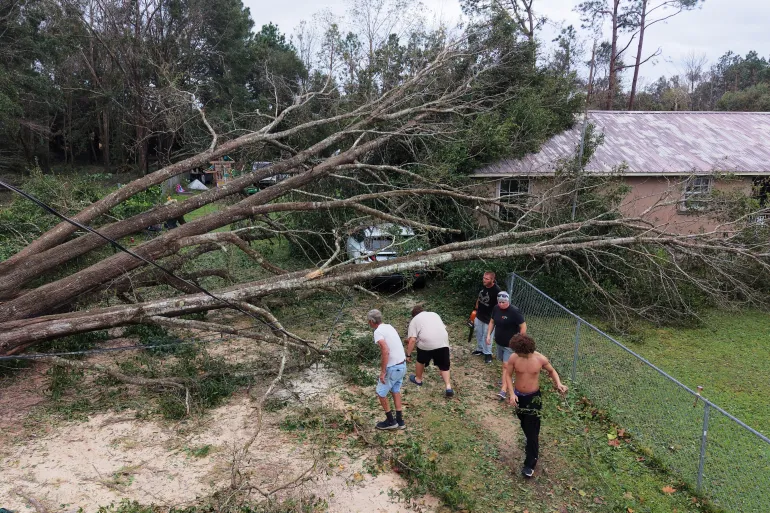
Hurricane Isaias death toll rises to six as Gulf Coast recovery continues
Florida Gov. Ron DeSantis announced the state's death toll had risen to six as recovery from the storm continued.
63 sources · over 8 days
Trump announces plans for massive resource exploration project in Greenland
The announcement puts Greenland's oil, gas and minerals at the centre of a new American initiative, four weeks after a deal to strengthen the US military presence.
9 sources · today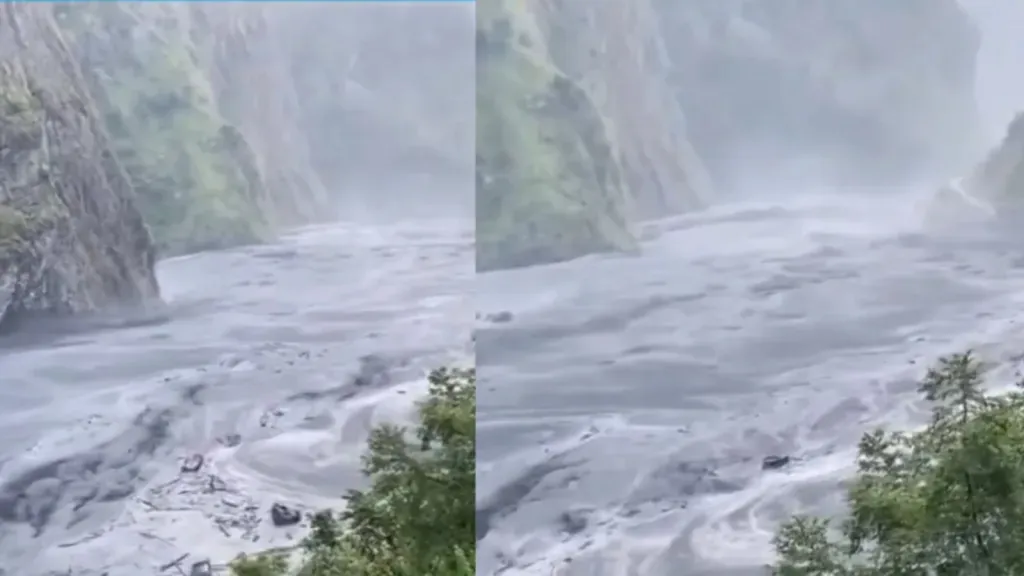
Nepal Flash Floods Sweep Away Homes and Bridges, Affecting More Than 200
A likely massive rock avalanche blocked the Budhi Gandaki River, while authorities rescued 321 people and more than 100 foreign trekkers were stranded.
24 sources · over 2 days