
Democratic National Committee announces 12 presidential primary debates for 2028, starting in June 2027
The party has set its debate calendar and a new dark money pledge for candidates early, with a crowded field expected and no broadcast partners yet named.
By Hushread Stories, from 21 outlets · First published 23 Nov 2026
In brief
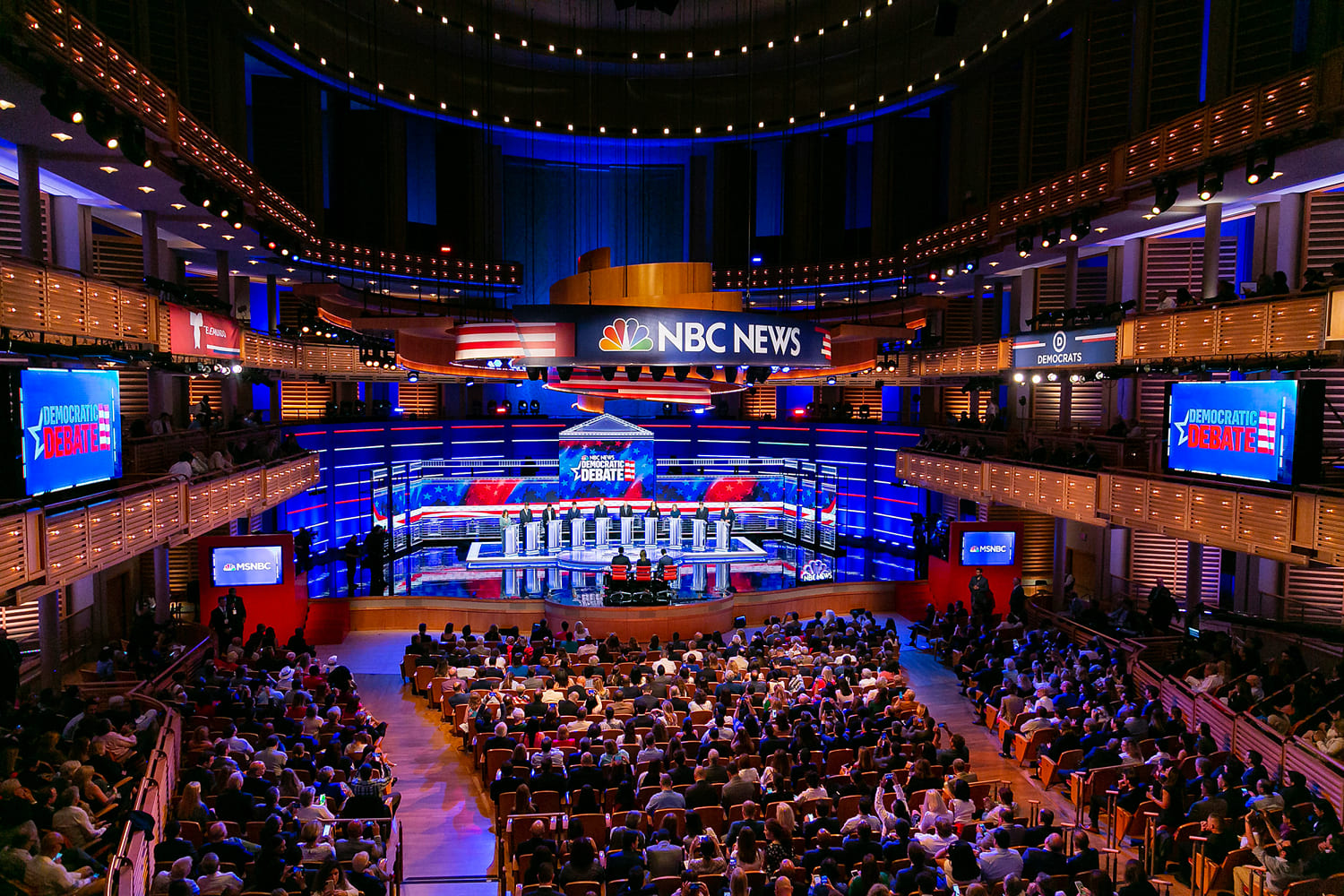
- The Democratic National Committee has announced twelve presidential primary debates for the 2028 cycle, spread across 2027 and 2028.
- The first debate is scheduled for June 2027, with the rest of the calendar not yet fully laid out.
- Candidates must pledge to denounce spending by supportive groups that do not disclose their donors.
- The committee calls these initial criteria, so further qualification rules are expected to follow.
- No television or streaming partner has been named yet for the debates.
Timeline · 4 moments
Debates to span 2027 and 2028
Forbes - Business Business & Economy ↗New pledge to denounce undisclosed-donor spending required
NYT Politics ↗First debate set for June 2027, per press release
The Hill ↗DNC announces 12 primary debates for 2028 cycle
ABCNews.com ↗Update 24 Nov 2026, 5:10 am UTC
Coverage since the original piece has added detail rather than overturning it. TIME reported on November 23 that Democratic presidential candidates will have to disavow dark money to take part in the 2028 debates, which confirms the donor-disclosure pledge is a central requirement. A November 24 report that ABC News linked from r/politics repeats the same 12-debate framework and the requirement to denounce dark money spending, but adds nothing new on the calendar or broadcast partner. The headline and core facts still hold.
Update 23 Nov 2026, 11:04 pm UTC
The New York Times and CBS both confirm the core framework: 12 debates, first in June 2027, with a dark money pledge. CBS adds that DNC chair Ken Martin framed the announcement around ending dark money in politics. The committee describes its criteria as initial, so further qualification rules may still come. Nothing in the new coverage changes the headline's facts, so the title stands.
How it started
On Monday, 23 November 2026, the Democratic National Committee put out a press release laying out its plans for the next presidential primary season. The announcement came well ahead of the 2028 election, with the party setting out what several outlets described as the rules of the road for a race expected to draw many candidates.
The Hill said the release was obtained by its sister network NewsNation. The headline number was twelve debates, with the first set for June 2027.
How it unfolded
The party said it will hold 12 primary debates in the 2028 cycle, ABC News reported. Forbes described them as spread across 2027 and 2028, and NBC News said the committee was setting broad rules for how candidates qualify and take part.
The most notable condition is the new pledge. CNN called it a significant new requirement, saying candidates will have to meet it to participate. The New York Times described the initial criteria as including a pledge to denounce spending from supportive groups that do not disclose their donors. ABC News and Fox News framed the same rule as a dark money restriction.
Forbes and The Times of India both described the requirement in terms of super PAC spending, saying hopefuls must denounce it to qualify for the stage.
The timing of the first debate drew some attention. A post shared on Reddit's r/politics, linking to the Washington Post, said the debates will open in June after pushback against an earlier start. The headlines available do not say what the earlier start date was or who pushed back.
The Guardian tied the announcement to the party's midterm victories in its live coverage, and the New York Post took a more sardonic line, calling the schedule the dreary dozen.
Where it stands
The framework is set, but much of the detail is still thin in the coverage. Deadline noted that no TV or streaming partner has been announced. The coverage also does not lay out a full calendar beyond the June 2027 opener, and the exact mechanics of how the dark money pledge would be enforced are not described in the headlines and summaries available.
The committee describes these as initial criteria, according to The New York Times, which suggests further qualification rules may follow.
What to watch
Open questions include which networks or platforms will host the debates, where and when the remaining eleven will be held, and what further qualification thresholds the party will add.
The dark money pledge is the other thing to follow. How candidates respond to it, and how the party would verify or enforce it, will shape who ends up on stage in a field expected to be crowded.
More in Politics
All →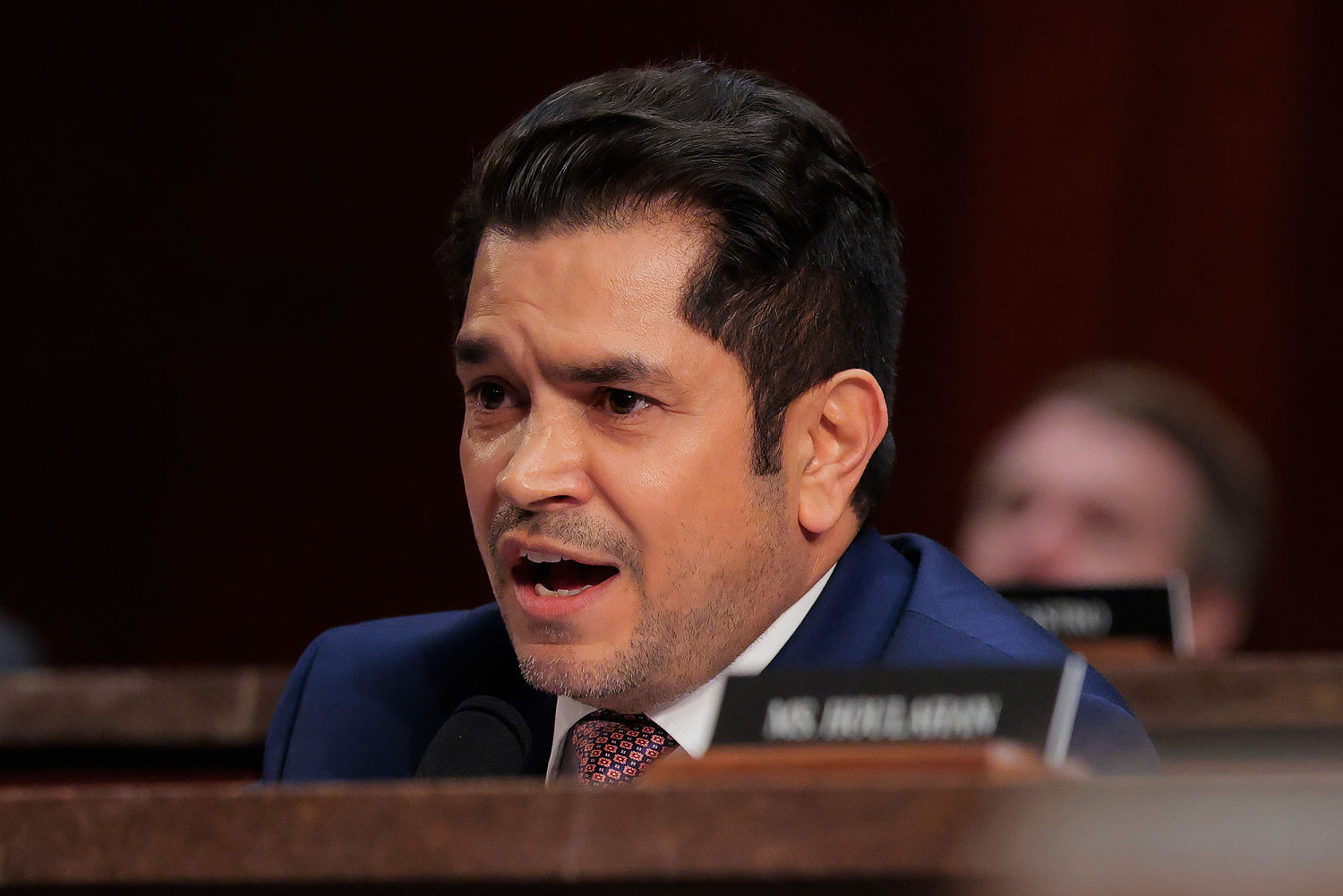
Rep. Jimmy Gomez resigns after House Ethics report finds sexual misconduct toward a staffer
A sitting California Democrat is leaving Congress on Dec. 1 after a bipartisan panel found substantial evidence he made unwelcome sexual advances toward a congressional aide, which he disputes.
15 sources · over 2 days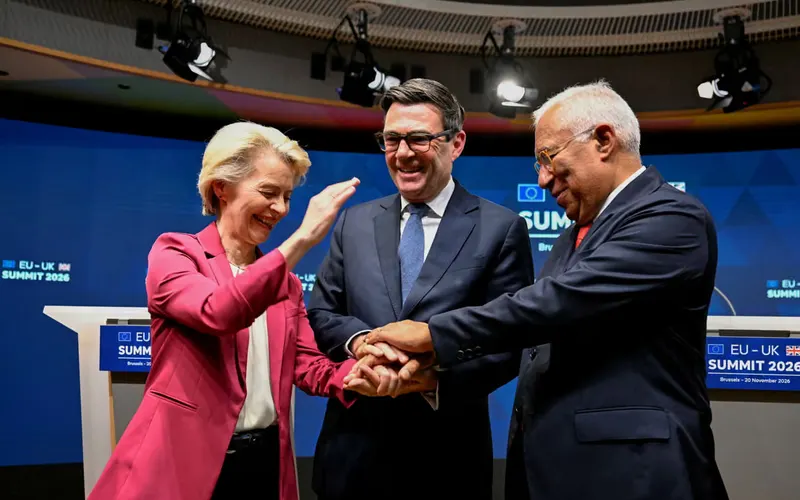
UK and EU sign trade and youth mobility deals at Brussels summit
Andy Burnham has taken Britain's biggest step towards the EU since Brexit, and now faces a fight at home over whether closer ties should lead to rejoining the bloc.
51 sources · over 6 days
Nepal's Balendra Shah Visits Delhi, Wins $1.6 Billion Flood Aid Package From Modi
Shah's first bilateral trip abroad as Nepal's prime minister brought India's largest aid commitment to Nepal yet, a new rail link and eight agreements, while territorial disputes were kept off the table.
24 sources · over 7 days