
Democrats Lead US Midterm Polls as Senate Control Remains Uncertain
Days before the November 3 elections, Democrats have a clear polling advantage, but close Senate races leave control of Congress uncertain as early voting continues.
By Hushread Stories, from 24 outlets · First published 30 Oct 2026
In brief
- Republicans hold both chambers of Congress heading into the November 3 elections, with Democrats seeking to take control.
- An October 27 survey gave Democrats an eight point advantage, followed by another poll showing a double digit lead.
- Nate Silver says Republicans retaining the House would require very wrong polling, while Senate leads remain vulnerable.
- Reports show heavy early voting, with one October 30 account putting participation at nearly 48 million Americans.
- Trump has canceled Kansas and Iowa rallies, choosing telephone events across nearly 20 states over the weekend.
Timeline · 7 moments
Early voting report puts participation near 48 million
Top World News- News18.com ↗Trump cancels Kansas and Iowa rallies before election
Al Jazeera ↗Silver warns Senate leads remain vulnerable to polling error
The Independent ↗Emerson poll shows Democrats with double digit lead
Forbes - Business Business & Economy ↗Election forecaster shifts 63 races toward the Democrats
CNN ↗Marist survey gives Democrats an eight point advantage
The Hill ↗Silver says Republican House hold would require wrong polls
The Hill ↗How it started
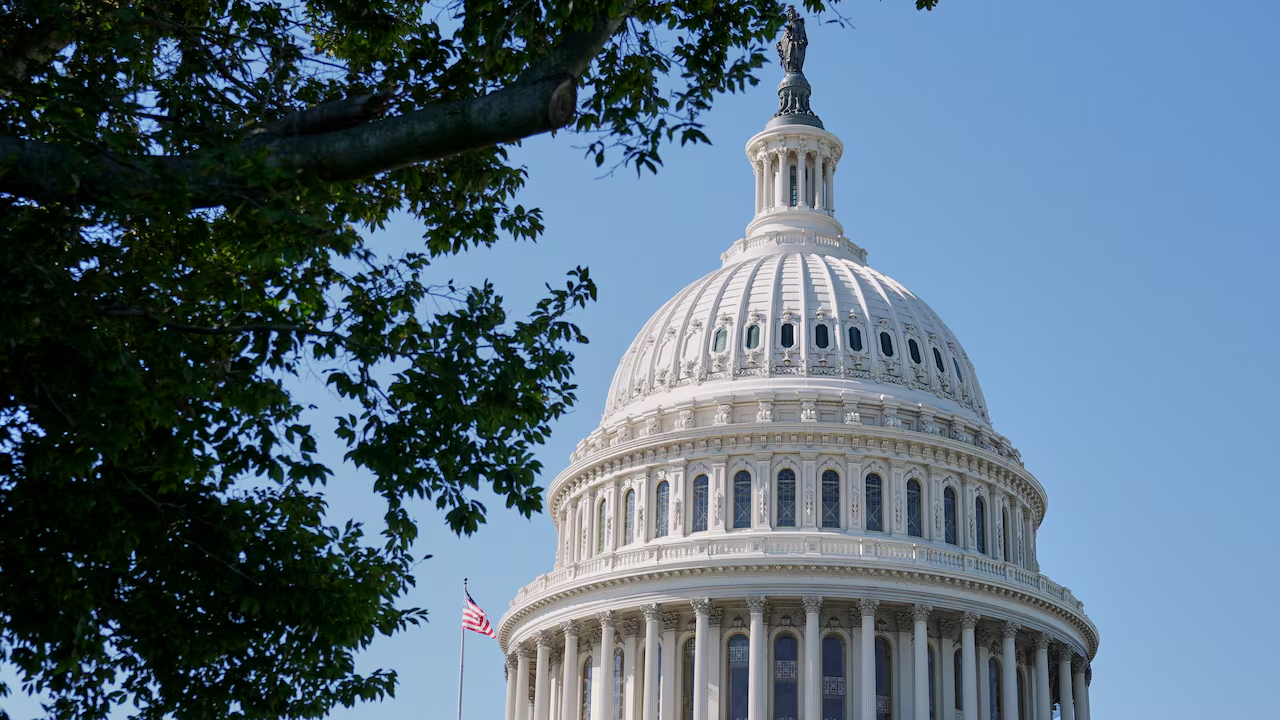
Republicans entered the final stretch holding majorities in both the House and Senate, according to ABCNews.com. The November 3 elections will determine whether they keep that control for the rest of President Donald Trump's term.
All 435 House seats and 35 Senate seats are being contested, La Nacion reported. Democrats need 218 seats to take the House, according to The Independent. Winning that chamber and winning the Senate are separate tests, even when national polls point in the same direction.
How it unfolded
On October 26, Nate Silver offered a blunt assessment of the House race: polling "would have to be very wrong" for Republicans to retain control, The Hill reported. His assessment set a high bar for a Republican escape, without ruling one out.
On October 27, The Hill reported an eight-point Democratic advantage in the Marist survey conducted alongside NPR and PBS News. CBS Top Stories also reported Democratic polling leads in both chambers, but described the Senate advantage as narrow.
Trump's approval figures varied across the coverage. Forbes reported 40% approval in the NPR/PBS/Marist poll on October 27, while an October 28 headline from Indian Express put approval at 32%. Those accounts do not establish a single, consistent approval trend.
By October 29, expectations of Democratic gains were strengthening. CNN reported that an election forecaster had shifted 63 races in Democrats' favor. Still, NYT Politics said much would depend on a few close Senate contests, even as some kind of Democratic wave appeared likely.
On October 30, Forbes reported that a new Emerson College poll gave Democrats a double-digit lead on the generic congressional ballot. The same day, The Independent reported Silver's warning that Democratic leads in key Senate battlegrounds "are all just a normal-sized polling error away from flipping."
Where it stands
The strongest Democratic signal is in the House. The Senate remains less settled: a national advantage does not resolve the close state races that will decide control. CBC News identified a handful of states and districts with tight contests as central to the outcome.
Early voting is already substantial, although the reported totals differ. La Nacion reported 39,636,514 early votes through October 29, while News18 reported nearly 48 million Americans had voted in its October 30 coverage. The supplied accounts do not explain the difference. The latter report also said Democrats were outpacing Republicans in early ballots, which is not itself a final election result.
Trump is changing his closing campaign schedule. Al Jazeera reported on October 30 that he had canceled rallies in Kansas and Iowa, opting instead for telephone events across nearly 20 states over the weekend.
What to watch
The key question on November 3 is whether Democrats' national polling strength translates into enough seats to win one chamber or both. The close Senate races deserve particular attention because Silver's warning concerns margins small enough to be reversed by an ordinary polling error, according to The Independent.
The results will also test how much room Trump has to pursue his agenda during his remaining two years. Deutsche Welle described the elections as both decisive for his presidency and a judgment on his second term.
More in Politics
All →
Norway Answers Trump's Nobel Peace Prize Insults With Toilet Humour
Norwegian officials say they have no influence over the Nobel decision, while tourism promoters have turned President Donald Trump's vulgar attack into a showcase for public toilets.
19 sources · over 5 days
Supreme Court Scrutinises ECI Affidavit, Voter Forms and SIR Records
The Election Commission says its revision orders were unanimous, but Supreme Court hearings have widened to questions about voter enrolment, deletion applications and preservation of decision records.
12 sources · over 5 days
Flávio Bolsonaro's Exit Through Argentina Triggers Judicial and Diplomatic Scrutiny
Argentina faces demands to explain its role in Flávio Bolsonaro's journey to Florida, as investigators seek official records and conflicting accounts emerge about Brazil's diplomatic response.
15 sources · over 3 days