
Dolores Huerta, United Farm Workers Co-Founder, Dies at 96
Her family announced the death of a labor and civil rights leader whose organizing improved farmworkers' lives and whose rallying cry reached far beyond the fields.
By Hushread Stories, from 10 outlets · First published 28 Oct 2026
In brief
- Dolores Huerta has died at 96, her family announced in a social media post Wednesday.
- She founded the United Farm Workers with César Chávez, helping improve conditions for mostly Latino farmworkers.
- Her organizing helped change the American labor movement and extended into feminism and civil rights activism.
- She coined the phrase "Sí, se puede!" which became a rallying cry beyond the farmworker movement.
- Earlier this year, Huerta said Chávez had raped her decades earlier, according to a published report.
Timeline · 1 moments
Family announces Dolores Huerta has died at 96
TMZ ↗How it started
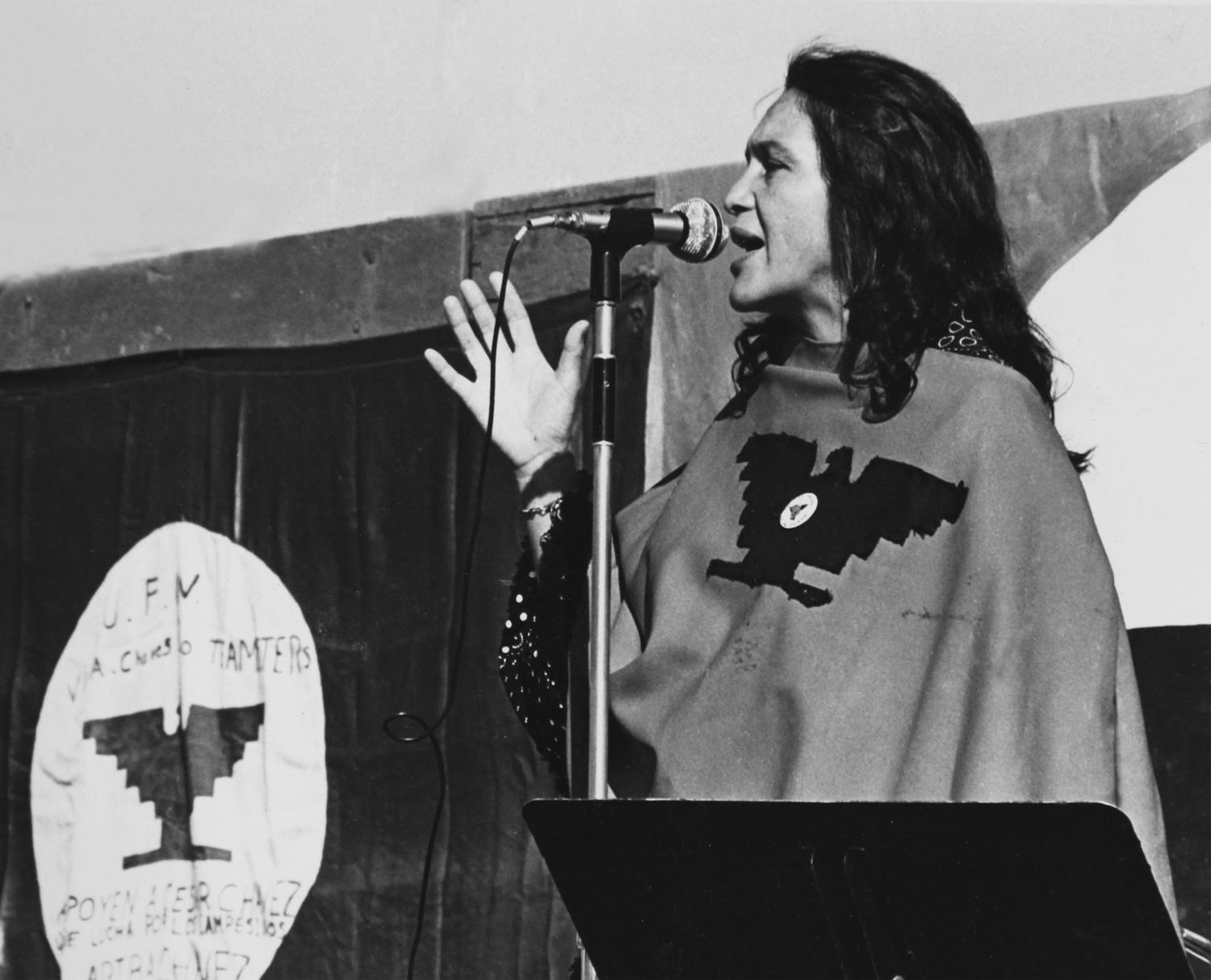
Dolores Huerta built her public life around organizing farmworkers. She co-founded the United Farm Workers with César Chávez, improving the lives of the country's mostly Latino farmworkers and changing the course of the labor movement, according to NBC News.
The union sought better working conditions in the nation's fruit and vegetable fields. NPR News also credited Huerta with coining "Sí, se puede!", a phrase that became a widespread rallying cry.
How it unfolded
In early 2026, Huerta told The New York Times that Chávez had raped her decades earlier. That account brought her own allegation against her fellow union founder into the public record late in her life.
On October 28, her family announced her death in a social media post, TMZ reported. She was 96.
ABC News also reported her death, citing her family. Coverage published that day described a legacy spanning labor organizing, feminism and civil rights, with NPR News identifying her as an influential figure in all three.
Where it stands
Huerta's death has been confirmed by her family, according to ABC News. The supplied reports do not give a cause of death or details of memorial arrangements.
Her work reached beyond the union she helped establish. NBC News described her role in changing the labor movement, while NPR News highlighted the enduring reach of the rallying cry she coined.
More in World
All →
Police kill knife attacker outside Israeli Embassy in Belgrade
Serbia has raised its security alert after a minor armed with knives attacked an embassy guard, with authorities treating the incident as a terrorist attack.
18 sources · today
Jafar Panahi Given New Prison Sentence as Iranian Court Seizes Assets
The ruling adds to the Iranian filmmaker's earlier conviction, with asset confiscation and restrictions on travel and social media, though the new charges remain unclear.
15 sources · today
Alexander brothers each sentenced to 30 years for sex trafficking
The three brothers received lengthy prison terms in New York after women described their suffering in court, closing a sentencing hearing where prosecutors had sought life imprisonment.
18 sources · over 2 days