
EU Commission clears UniCredit takeover of Commerzbank without imposing any conditions
Brussels has removed the main regulatory obstacle to UniCredit's bid for one of Germany's largest banks, though a warning about Berlin hints that political resistance may not be over.
By Hushread Stories, from 11 outlets · First published 16 Nov 2026 · Chapter 1 of 3
In brief
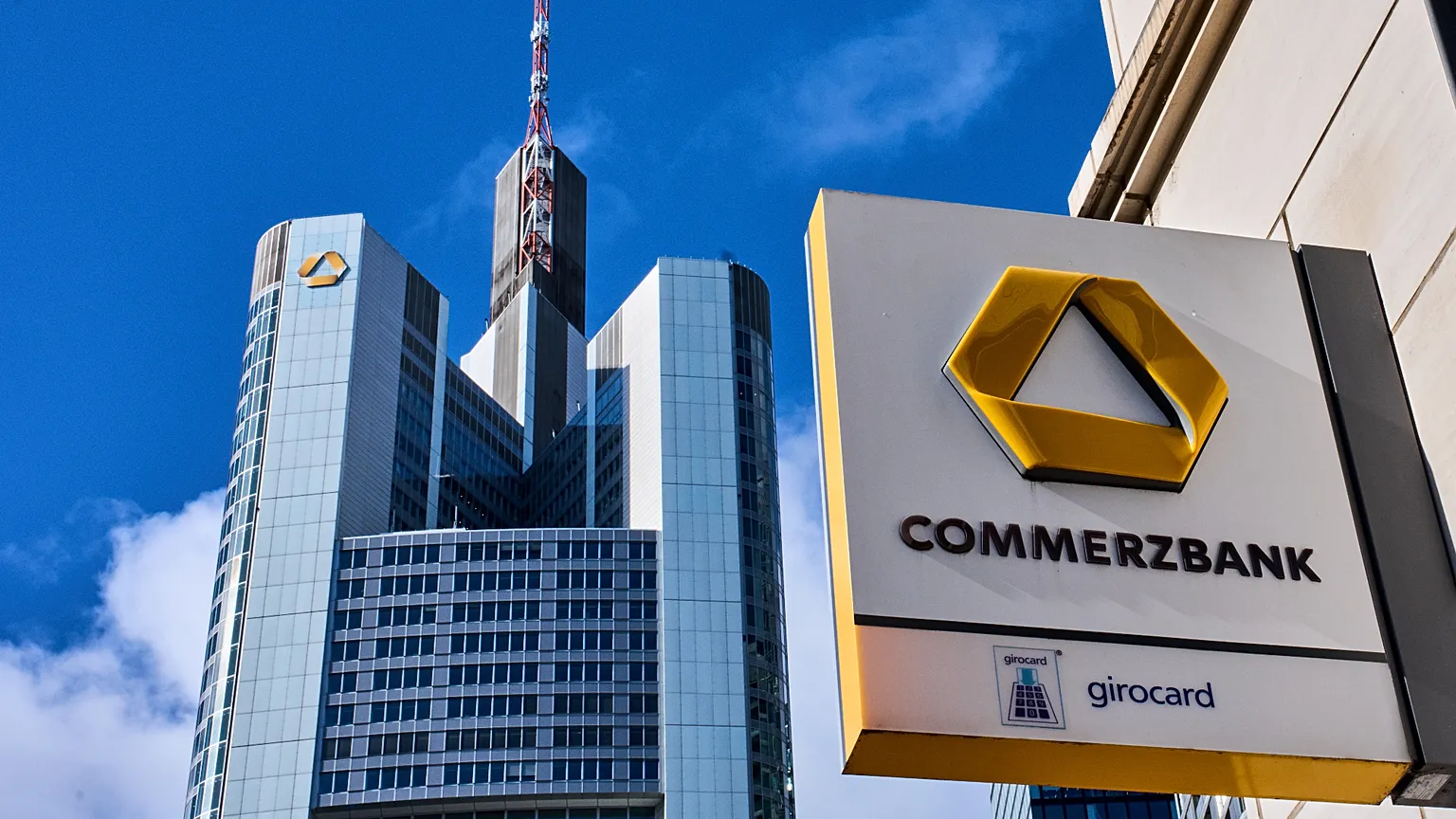
- The European Commission approved UniCredit's takeover of Commerzbank on 16 November 2026 with no conditions attached.
- The Commission said combining the Italian and German banks raises no competition concerns.
- UniCredit has spent about two years working toward taking over Commerzbank, according to Spiegel.
- Brussels hopes the deal will strengthen European banking by encouraging large cross-border mergers.
- Berlin and UniCredit have since agreed on the terms of the takeover, moving the deal closer to completion.
Timeline · 5 moments
German government and UniCredit agree terms for Commerzbank takeover
Deutschlandfunk - Fortlaufende Nachrichten vom 24. August 2026 ↗Ribera says Commission will act if Berlin hampers deal
ANSA.it ↗Approval comes with no conditions attached
n-tv.de - Wirtschaft ↗Commission sees no competition concerns about the merger
ARD Tagesschau ↗EU Commission approves UniCredit takeover of Commerzbank
Euronews ↗Update 19 Nov 2026, 4:18 am UTC
The published piece reports the Commission's unconditional clearance of UniCredit's takeover of Commerzbank. Newer coverage shows the story has moved on: Reuters reported on 19 November that the German government and UniCredit have agreed on the terms for the takeover, and Tagesschau said the German government and UniCredit reached agreement, with UniCredit's chief Andrea Orcel described as a step further along. The headline still holds, but the key points need to reflect that negotiations on terms have produced an agreement with Berlin.
Update 17 Nov 2026, 0:01 am UTC
Since the Commission's unconditional clearance on 16 November, coverage has moved on to what happens next. Finanzen - FAZ.NET reports that Commerzbank chief Orlopp expects UniCredit to take control later this year, and that Hesse's minister-president Boris Rhein is voicing criticism of the deal. DW Türkçe notes that the German government has opposed the takeover, so the clearance is a critical step rather than the end of the matter. The headline and key points still hold, so only the forward-looking framing has been updated.
How it started
UniCredit, the Italian banking group, has been building toward a takeover of Commerzbank for roughly two years, according to Der Spiegel. The coverage supplied here does not detail the early steps of that campaign, so this account picks up at the regulatory stage.
The tie-up has been described as controversial. ARD Tagesschau called it the "umstrittene" takeover, meaning contested, and NOS noted the deal had been in the pipeline for a long time.
How it unfolded
On 16 November 2026, the European Commission gave its approval. Tagesschau reported that the Commission sees "keine wettbewerbsrechtlichen Bedenken", no competition-law concerns, about the merger.
The decision came with no strings attached. n-tv headlined it as "Keine Auflagen", no requirements, and said Brussels expects several benefits from the step. Euronews framed the approval as a cross-border deal aimed at strengthening Europe's banking sector.
Der Spiegel called the clearance a decisive step toward bringing the two banks together. NOS went a little further, saying that with the Commission's ruling nothing now seems to stand in the way.
ANSA added a notable detail: Ribera, speaking for the Commission, said it is ready to take action if Berlin hampers the operation. The coverage supplied does not spell out what such action would involve.
Where it stands
The Commission's competition review is done, and it ended in an unconditional approval. Deutschlandfunk reported that UniCredit has received the Commission's authorisation to take over Commerzbank.
That does not mean the deal is finished. Tagesschau put it carefully, writing that the merger is moving closer rather than that it has been completed.
What to watch
The main open question is how the German government responds. The Commission's reported readiness to act if Berlin gets in the way suggests Brussels expects some possibility of political friction, though the coverage does not say what Berlin has done or plans to do.
The coverage also does not set out the remaining steps or a timetable for completing the takeover, so those details are still to come.
More in Business
All →
Anthropic Opens at $111.50 After Record $83 IPO Price on Nasdaq
Shares jumped about 34 percent in early trading after the AI company priced its offering at $83, the largest IPO on record.
107 sources · over 4 days
Nvidia's board rules out Jensen Huang's return as earnings beat forecasts
Nvidia's founder resigned over affairs, one with an alleged Chinese spy, and now wants his job back. The board says no, just as export controls and a Senate appearance loom.
196 sources · over 11 days
Chase software bug disrupts online banking and Zelle payments at major US banks
A software bug at JPMorgan Chase slowed transactions across several big US banks on November 16, and days later the bank confirmed a separate vendor hack that exposed customer names and emails.
69 sources · over 4 days