
Europe's Bomb Threat Wave Spreads From Passenger Flights to Newsrooms
Fresh threats disrupted European flights and forced newsroom evacuations on Friday, as Ireland described a likely coordinated campaign but authorities had yet to identify those responsible.
By Hushread Stories, from 65 outlets · First published 6 Nov 2026 · Chapter 6 of 6
Earlier: At Least 35 Flights Affected by Hoax Bomb Threats Across Europe
In brief
- More than 40 European flights have received bomb threats since Monday, with no explosive devices found aboard.
- Fresh alerts on Friday affected a Rome to Lisbon flight and four flights passing over France.
- The threats expanded to media organisations, prompting newsroom evacuations in Ireland and reaching broadcasters elsewhere in Europe.
- Ireland described the incidents as a likely coordinated campaign of disruption, but responsibility remains unconfirmed by authorities.
- Investigators are seeking those behind the threats while examining whether the incidents form a connected campaign.
Timeline · 6 moments
Threats expand to newsrooms in Ireland and Bulgaria
The Independent ↗France confirms four new threats against passing flights
The Local ↗Prague to Rome flight is diverted to Venice
ANSA.it ↗Rome to Lisbon Ryanair flight faces fresh security alert
Euronews ↗EU transport commissioner cautions against linking the incidents
Washington Post World ↗Renewed bomb threats disrupt European flights for second time
Sydney Morning Herald ↗How it started
A series of bomb threats against passenger aircraft has grown into a wider disruption affecting flights and newsrooms across Europe. More than 40 flights had received threats since Monday, with no explosive devices found aboard, according to EL PAÍS.
The absence of bombs has not meant an absence of consequences. Passengers described landing at a military base, undergoing security checks and facing travel delays after hoax threats affected aircraft in Italy, Poland and Spain, The New York Times reported.
How it unfolded
By November 5, the threats had already returned for a second wave that week, according to The Sydney Morning Herald. ANSA reported emailed threats, with at least seven alerts involving Italy.
The warnings prompted diversions and military responses. CBS News reported that some countries scrambled fighter jets as dozens of flights were diverted or grounded in recent days. At that stage, the European Union's transport commissioner said it was too early to conclude whether the incidents were linked, according to The Washington Post.
On November 6, a Ryanair flight from Rome to Lisbon was placed under a security alert following an anonymous call to the control tower in Rome, Euronews reported. The aircraft landed at Lisbon's Humberto Delgado airport, where authorities intervened, according to Adnkronos.
Further alerts followed that day. A Prague to Rome flight was diverted to Venice, ANSA reported, while the French government confirmed four new threats against flights passing over France, according to The Local.
The targets also widened beyond aviation. Irish media outlets evacuated staff on November 6, Euronews reported. Newsrooms in Ireland and Bulgaria received emailed threats from someone using the name "Mikhail Andropov", who claimed responsibility for the week's hoaxes, according to The Independent. That claim does not establish who sent the threats.
Where it stands
Ireland now considers the threats likely to be a coordinated campaign of disruption, according to France 24. That assessment goes further than the earlier caution about linking the incidents, but it does not identify a perpetrator. Euronews reported that officials still did not know who was behind them.
The reported flight totals cover different periods. The Japan Times put the number at nearly 30 by the end of Thursday, November 5, while EL PAÍS reported more than 40 since Monday in its November 6 coverage. NDTV reported that no suspicious items had been found and no one had been injured.
What to watch
Investigators are still seeking the people responsible, according to Die Zeit. The central unresolved questions are whether the aviation and newsroom threats share an organiser, and whether claims of responsibility can be verified.
The timing adds urgency in Ireland. The Financial Times reported that the threats came a week before two major summits in Dublin expected to draw 50 European leaders.
More in World
All →
Russell Brand convicted of rape and sexual assault, with sentencing next
The London jury convicted Brand of four offences involving four women, while police continue investigating two further rape allegations and a judge has warned of a significant prison term.
55 sources · over 5 days
Kenyan cult leader Paul Mackenzie sentenced to 200 years for murders
The sentence covers the murders of 190 children and one adult, while reports link Mackenzie's cult to hundreds of other suspected deaths.
24 sources · today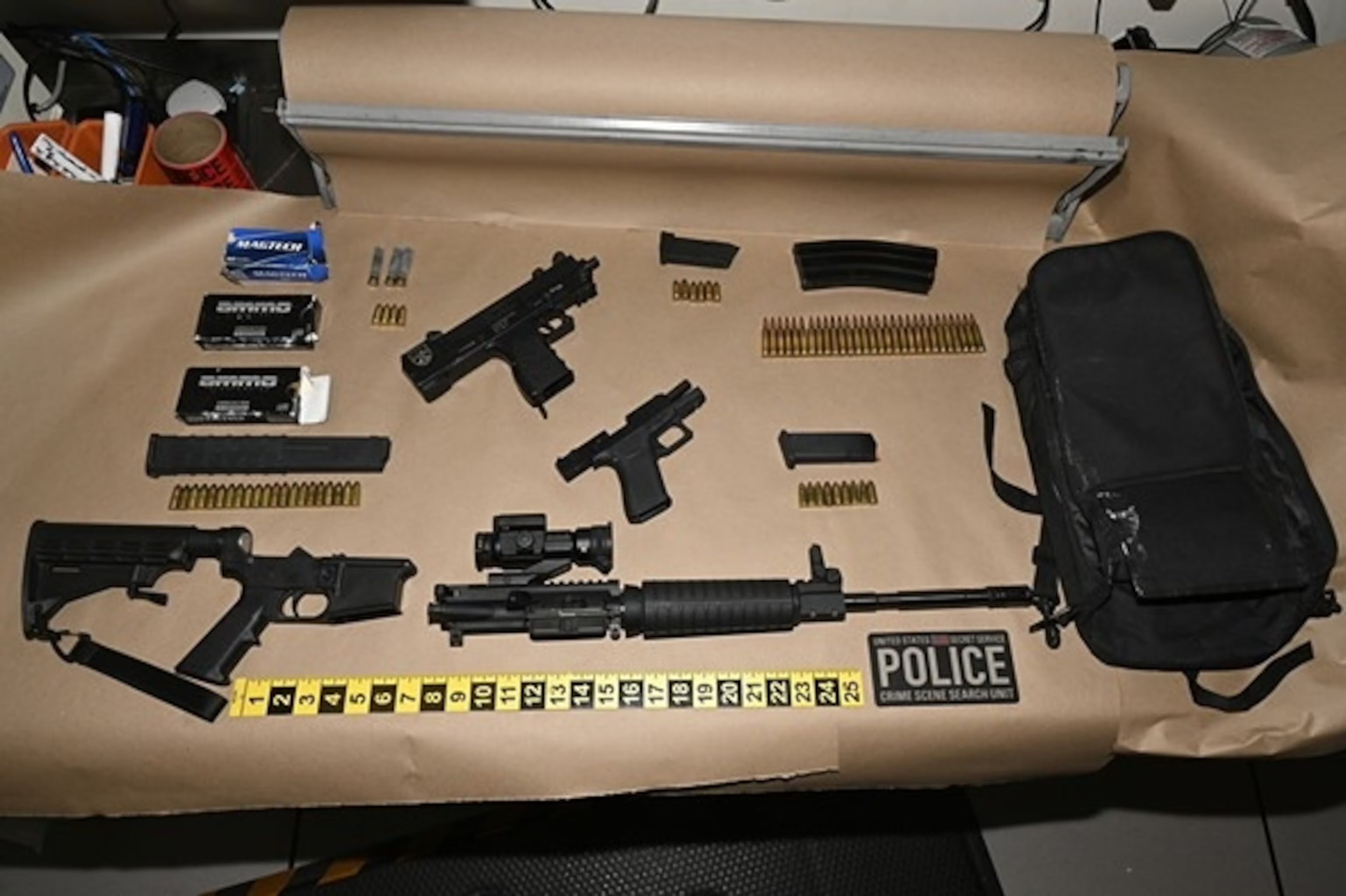
Venezuelan Man Arrested Near White House With Guns and Alleged Trump Threats
Authorities say Secret Service officers found firearms in a vehicle near the White House and arrested a man who allegedly said voices urged him to kill President Donald Trump.
9 sources · today