
FDA orders vision loss warnings for GLP-1 weight-loss and diabetes drugs
Manufacturers must warn patients and doctors about a potential increased risk of a rare eye condition that can cause permanent vision loss, affecting widely used weight-loss and diabetes medicines.
By Hushread Stories, from 29 outlets · First published 10 Nov 2026
In brief
- The FDA has ordered GLP-1 drugmakers to warn patients and doctors about a potential risk of vision loss.
- The warning concerns NAION, a rare eye condition that can cause sudden, painless and sometimes permanent vision loss.
- An FDA analysis of 126 clinical trials involving 134,253 participants found higher NAION incidence among GLP-1 users.
- The FDA is calling for 12 medicines to include the eye risk in their warnings and precautions sections.
- Manufacturers must update labels to describe a potential risk, not an established causal relationship.
Timeline · 8 moments
FDA describes possible optic nerve blood flow reduction
Business Line - Home ↗CBS discusses rare vision-loss warning for GLP-1 drugs
CBS Top Stories ↗FDA orders NAION warnings on GLP-1 labels
BBC World ↗Label changes specified for 12 GLP-1 medicines
FiercePharma ↗FDA trial analysis finds higher incidence among GLP-1 users
Mint ↗Coverage reports eye condition across all GLP-1 drugs
The Hindu ↗FDA requires drugmakers to warn patients and doctors
STAT News ↗Studies report elevated NAION risk among GLP-1 medicine users
MarketWatch ↗Update 11 Nov 2026, 10:25 am UTC
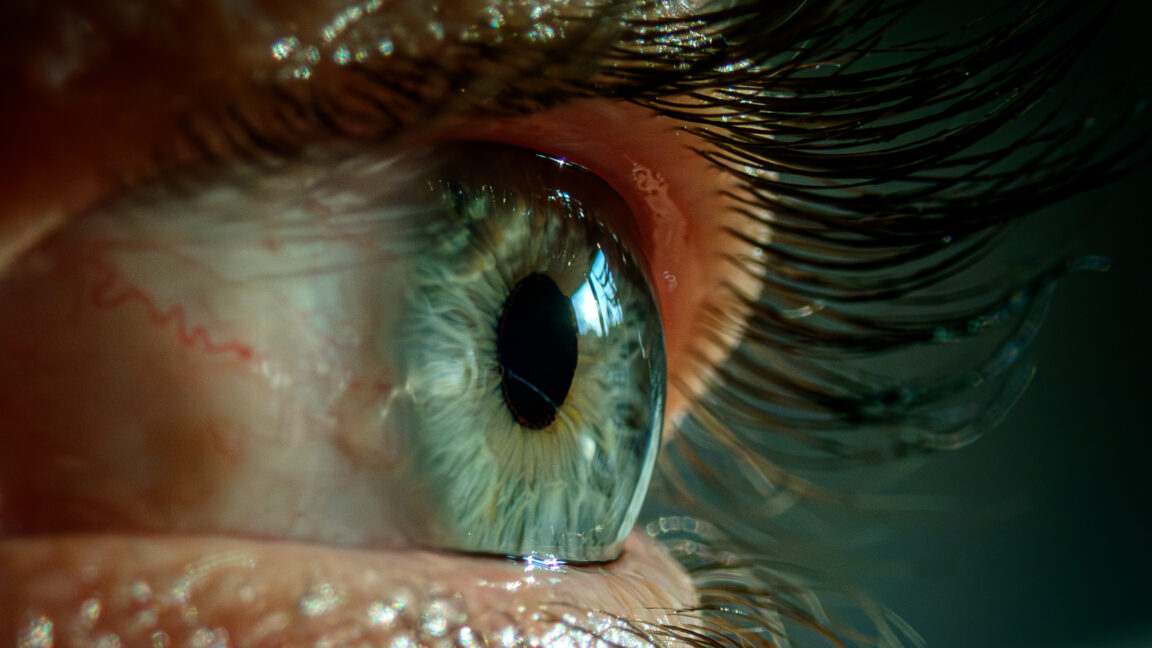
The new coverage adds detail on how the possible harm may occur: reduced blood flow to the optic nerve can cause sudden, painless vision loss in one eye, which may be permanent, according to Business Line. The coverage does not change the reported scope of the FDA warning or establish that the medicines cause the condition.
Update 11 Nov 2026, 4:20 am UTC
The new coverage adds a physician's explanation of the potential side effect and a CBS discussion of the warning. It does not provide new evidence that changes the reported trial figures or the warning's status as a potential risk.
Update 10 Nov 2026, 10:16 pm UTC
New coverage confirms that the FDA is requiring GLP-1 drugmakers to add warnings about NAION, a rare eye condition. BBC World says the labels will cover Ozempic, Wegovy and other weight-loss drugs; Global News links the requirement to a 2024 study and subsequent FDA trials.
How it started
The concern centres on nonarteritic anterior ischemic optic neuropathy, known as NAION. It is a rare eye condition that can cause significant vision loss, according to The Hindu.
Several medical studies have found an elevated risk of NAION among people taking GLP-1 medicines, MarketWatch reported. That evidence points to an association. The FDA's warning describes a potential increased risk, not a finding that the drugs definitively cause the condition.
How it unfolded
On November 9, the FDA required GLP-1 manufacturers to inform patients and healthcare providers about the potential eye risk, STAT News reported. The action turns a safety concern into a requirement for drugmakers.
The required warning concerns an eye condition that can cause sudden blindness, according to NBC News. Reports identified widely used medicines including Ozempic and Wegovy as products that would carry the warning, Sky News reported on November 10.
More detail about the evidence emerged in November 10 coverage. An FDA analysis of 126 clinical trials involving 134,253 participants found higher NAION incidence among GLP-1 users than among people receiving placebos or other diabetes medicines, according to Mint.
The scope of the label changes also became clearer. Following an internal investigation, the FDA called for 12 GLP-1 medicines to add the rare eye risk to the warnings and precautions section of their labels, FiercePharma reported.
Where it stands
The FDA is requiring new warnings, with coverage identifying Ozempic, Wegovy, Zepbound and Mounjaro among the medicines involved, according to Ars Technica. The safety concern reaches drugs used for both weight management and diabetes, CNBC reported.
The distinction between severity and frequency matters here. The condition is rare, but its consequences can be permanent. The available coverage does not provide an absolute risk estimate, so it does not establish how many additional cases might occur among people taking these medicines.
What to watch
The next concrete step is for manufacturers to update their product labels with the required warning, as reported by Euronews. The coverage provided does not specify a deadline for those changes or establish how the risk differs between individual medicines.
More in Health
All →
Joe Biden scales back memoir tour as prostate cancer limits appearances
Former President Joe Biden says cancer is slowing him down, prompting fewer promotional appearances ahead of his memoir's scheduled November 17 release.
17 sources · over 3 days
New York and Wisconsin Report First Measles Deaths in Decades
The deaths of a New York child and a Wisconsin infant come amid widespread U.S. outbreaks, with falling vaccination coverage drawing concern from officials.
27 sources · over 5 days
Kennedy Opens Access to Six Unapproved Peptides Despite FDA Opposition
A temporary federal policy lets compounding pharmacies make six unapproved peptides, widening access to wellness injections without establishing their safety or effectiveness.
20 sources · over 4 days