
Flydubai co-pilot planned suicide attack on Ben Gurion airport, UAE says
UAE investigators say the cockpit attack was a planned attempt to crash into an airport terminal, with preliminary findings raising questions about preparation and pilot screening.
By Hushread Stories, written with AI from 44 outlets · First published 11 Oct 2026 · Chapter 2 of 2
Earlier: UAE Says Flydubai Co-Pilot Planned Airport Attack as Israel Refuses Flights
In brief
- UAE authorities say an Omani co-pilot planned to crash a Dubai to Tel Aviv flight into Ben Gurion airport.
- The September 30 attack was thwarted after the co-pilot assaulted the captain and was subdued by colleagues and passengers.
- Investigators say the 29-year-old used two earlier flights to Tel Aviv to study the route and airport.
- The preliminary investigation says he drew inspiration from the September 11 attacks and told investigators he acted alone.
- Reports of earlier extremist views raise screening questions, while passengers are reportedly planning a lawsuit after the cockpit attack.
Timeline · 6 moments
Passengers reportedly plan lawsuit following the cockpit attack
Indian Express ↗Prosecutors link alleged radicalisation to studies in Australia
Latest news, sport and opinion from the Guardian ↗Earlier flying restriction in Oman reported over extremist views
Euronews ↗Investigators describe two earlier flights used for reconnaissance
TGcom24 ↗Prosecutor says airport attack was inspired by September 11
Franceinfo ↗Cockpit attack interrupts Dubai to Tel Aviv flight
South China Morning Post ↗How it started
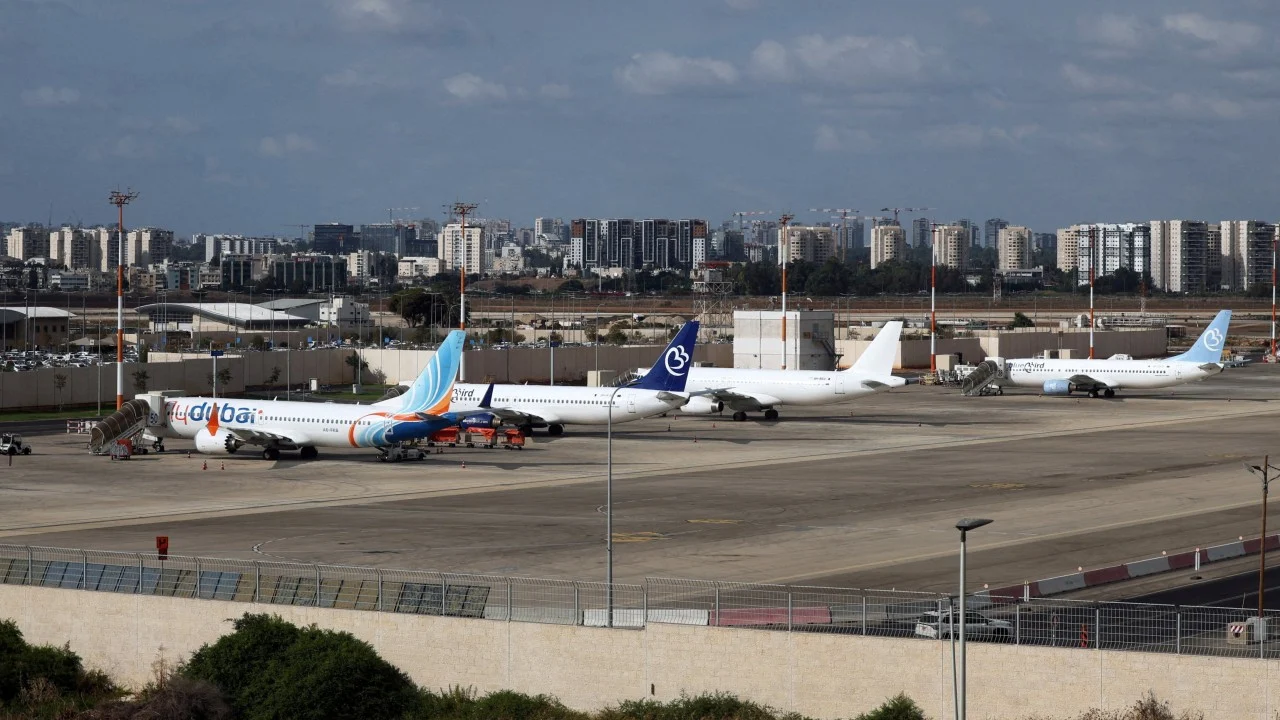
The attack aboard a Flydubai flight from Dubai to Tel Aviv on September 30 was an attempted suicide mission, according to UAE authorities. The co-pilot intended to seize the aircraft and crash it into a terminal at Israel's Ben Gurion airport, South China Morning Post reported.
The Omani co-pilot attacked the captain before colleagues and passengers subdued him, according to La Nacion. CBC News reported that he wielded an axe and intended to strike the airport's passenger terminal.
How it unfolded
On October 9, the United Arab Emirates' top prosecutor described the alleged motive behind the cockpit attack. The co-pilot had drawn inspiration from the September 11 attacks, Franceinfo reported, and told investigators he had acted alone.
Investigators also described preparations before September 30. The 29-year-old had used two previous flights to Tel Aviv to conduct reconnaissance of the route and airport, according to TGcom24. The Independent reported that authorities said he had watched material promoting terrorism and taken boxing lessons.
The findings raised questions about his history before joining the airline. Euronews reported on October 9 that he had previously been barred from flying in Oman over extremist views. Yet he met all the security requirements at hiring, the UAE prosecutor said, according to Le Monde.
On October 10, reporting focused on investigators' account of his time in Australia. The Guardian reported that prosecutors said he had become radicalised while studying there. On October 11, Sydney Morning Herald identified Melbourne as the city where that allegedly happened.
Where it stands
The account of the intended target and motive comes from a preliminary UAE investigation, as Mint and CNN Brasil reported. The suspect's statement that he acted alone is also part of the authorities' account, rather than an independently established finding.
The latest coverage also points to possible legal action by passengers. Indian Express reported on October 11 that passengers were planning a lawsuit following the cockpit attack.
What to watch
A central open question is how the reported earlier restriction in Oman fits with the prosecutor's statement that the co-pilot met hiring security requirements. The accounts reported by Euronews and Le Monde do not explain that gap.
The planned passenger lawsuit is another development to follow. The supplied report from Indian Express describes plans for legal action, not a completed court outcome.
More in World
All →
Justice Department Investigates Five TV Networks Over Trump Pool Coverage Suspension
The antitrust investigation opens a separate dispute over the networks' response to White House access restrictions, while a judge weighs whether to keep blocking the ban.
25 sources · over 9 days
At Least 139 Migrants Die as Boat Capsizes Off Djibouti
At least 84 people remain missing after a boat carrying 305 migrants capsized off Djibouti.
34 sources · today
Cornell Rape Allegations Fuel Protests and James Special Prosecutor Appointment
New York Gov. Kathy Hochul tapped Attorney General Letitia James as special prosecutor, while Cornell canceled its homecoming concert amid student protests.
31 sources · over 7 days