
France and Germany agree to soften EU car emissions rules
The compromise links greater flexibility for combustion engines after 2035 with tougher European production requirements, while offering Britain a route into the scheme if it aligns on China tariffs.
By Hushread Stories, written with AI from 11 outlets · First published 16 Oct 2026
In brief
- France and Germany have agreed to seek looser European Union emissions rules for the automotive industry.
- The deal would allow new combustion engine cars to be registered in the EU after 2035.
- Germany secured support for additional engine flexibility, while France gained backing for stricter European production requirements.
- Britain could join the European automotive subsidy scheme if it aligns with the bloc on China tariffs.
- Both governments have confirmed their agreement, but their compromise is not yet a completed change to EU rules.
Timeline · 5 moments
Critics warn combustion engine concessions could hurt automotive industry
DIE ZEIT | Nachrichten, News, Hintergründe und Debatten ↗Governments frame deal as support for research and development
Deutsche Welle ↗Both governments confirm agreement on European automotive industry
Franceinfo ↗Britain offered scheme access conditional on China tariff alignment
FT Economics ↗Germany and France strike engine flexibility and production bargain
DIE WELT ↗How it started
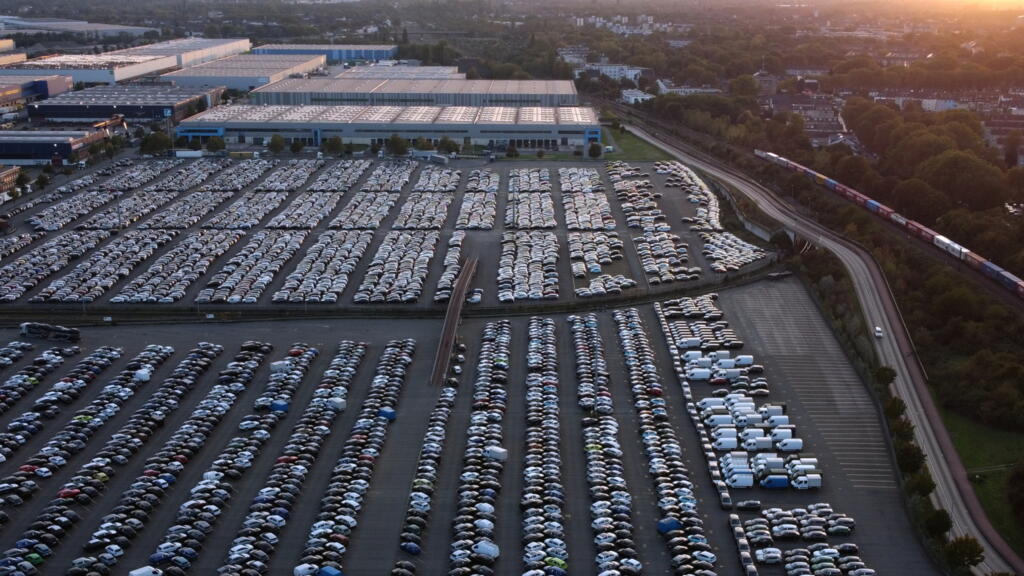
The agreement grew out of months of bargaining over how to protect Europe's automotive industry. Germany wanted more room for combustion engines after 2035. France wanted stronger guarantees that support for the industry would benefit European production, according to Le Monde.
The pressure comes as European carmakers struggle to compete with Chinese electric car companies. Deutsche Welle reported that the two governments described their agreement as a way to safeguard the industry and encourage development and research.
How it unfolded
On October 15, DIE WELT reported that Germany and France had struck a bargain: Berlin would get support for weakening the combustion engine phaseout further than the European Commission had planned, while Paris would secure stricter "Made in EU" requirements.
Friedrich Merz and Emmanuel Macron were central to the agreement on reforming European automotive policy, DER SPIEGEL reported that day. The proposed changes would affect the phaseout planned for 2035.
The bargain also opened a door for Britain. On October 15, FT Economics reported that the UK could join the bloc's "Made in Europe" subsidy programme if it aligned on China tariffs. That makes access to the programme conditional on a separate trade policy choice.
On October 16, both governments confirmed their agreement, according to Franceinfo. Its account described additional flexibility for combustion engine vehicles as the concession France accepted to secure the compromise.
The potential effect became clearer in reporting from ARD Tagesschau: under the proposed relaxation, new combustion engine cars could still be registered in the EU after 2035. Criticism also emerged. DIE ZEIT reported warnings that allowing those cars to continue could backfire rather than strengthen the industry.
Where it stands
France and Germany now have a shared position, not a completed rewrite of EU law. AP described the October 15 agreement as provisional, while the following day's reporting confirmed the two governments' backing for it.
The core exchange is clear: more flexibility for combustion engines in return for stronger European production requirements. The coverage does not establish the final emissions limits, the precise vehicles that would qualify after 2035, or the detailed conditions of the subsidy programme.
What to watch
The next issue is how the Franco-German position translates into EU rules, particularly the terms for registering combustion engine cars after 2035. The distinction matters: the governments have agreed on a direction, but the coverage does not report a final EU settlement.
Britain's participation is another open question. The condition reported by FT Economics makes its access dependent on alignment over China tariffs; the supplied coverage does not say Britain has accepted that condition.
More in Environment
All →
Italy air traffic slowed by Enav data network problems, flights cancelled
Delays and cancellations are affecting flights across Italy after problems with Enav's data network prompted traffic restrictions, with delays exceeding two hours at three Lombardy airports.
8 sources · today
Magnitude 7 earthquake strikes Russia's Kamchatka Peninsula, prompting residents to evacuate
Seismic agencies reported magnitudes of 7 and 6.9 for Friday's earthquake, while coverage described residents leaving apartments and an erroneous magnitude 9.9 warning in Japan.
8 sources · today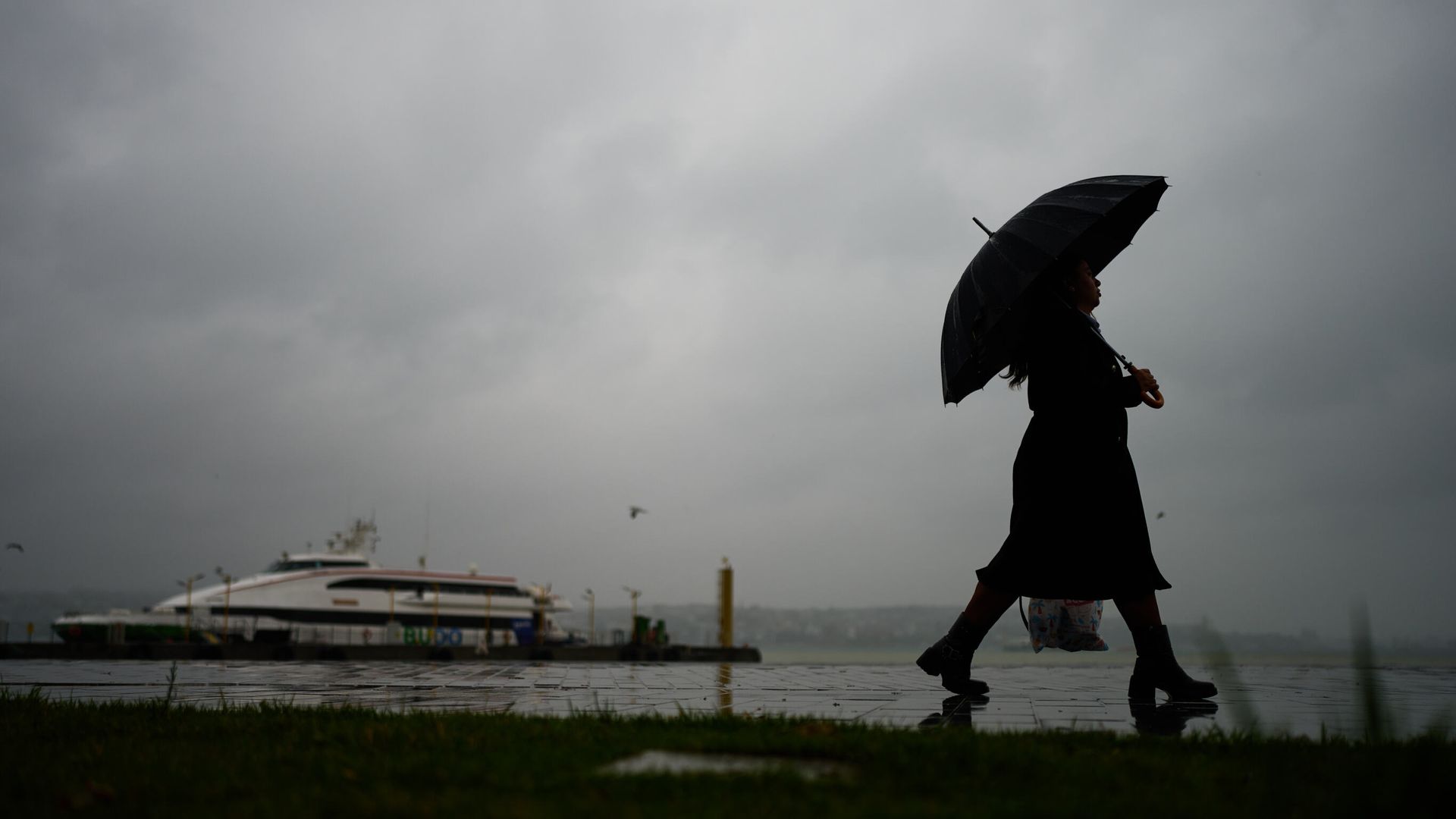
Istanbul Floods Kill Three as Heavy Rain Shuts Schools and Roads
Three people have died and 2,700 have been evacuated as flooding disrupts Istanbul, with rescuers working overnight and further rain forecast for October 15.
17 sources · over 2 days