
France Protests Draw Over 600,000 Demanding Higher Wages and Education Funding
A nationwide strike brought workers and students onto French streets as anger over living costs and education funding converged with opposition to the government's austerity budget.
By Hushread Stories, from 23 outlets · First published 5 Nov 2026
In brief
- Government estimates put Thursday's nationwide demonstrations at about 575,000 people, while other coverage describes roughly 600,000 protesters.
- Five major unions organised the strike, joined by teachers, students, transport workers and others demanding higher wages and action on living costs.
- Demonstrators also called for better school funding and tax fairness amid continued anger over living conditions and budget cuts.
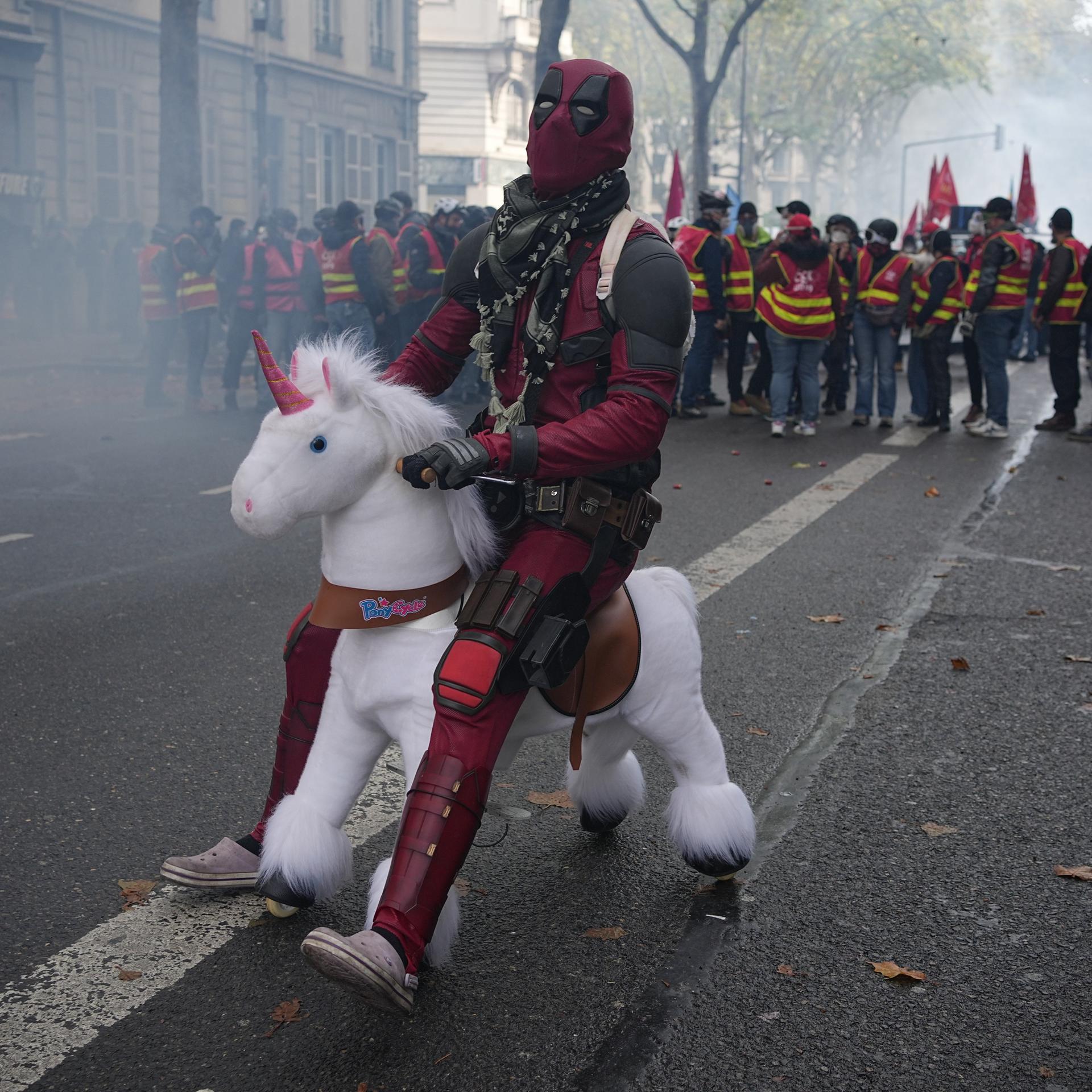
- Most rallies were reported as peaceful, though some cities saw clashes, tear gas, fires and attempts to block streets.
- Prime Minister Sébastien Lecornu announced a social conference for Monday after police reported 448 arrests and 53 officers injured.
Timeline · 8 moments
Lecornu announces Monday social conference after protests
DER SPIEGEL - Schlagzeilen – Tops ↗Separate Paris demonstrations planned for Saturday
The Local ↗Lecornu to meet unions over responses to demands
Japan Times ↗Police report 448 arrests and 53 officers injured
World News CNA ↗Reported nationwide turnout rises above 600,000 protesters
Deutsche Welle ↗Police fire tear gas as clashes and fires erupt
The Independent ↗Interior minister announces deployment of 70,000 police officers
Express & Star ↗Five major unions hold a nationwide strike in France
Times now ↗Update 6 Nov 2026, 6:56 pm UTC
New coverage says the protests drew about 575,000 to 600,000 people, with students and many teachers taking part. The main development is that Prime Minister Sébastien Lecornu has announced a social conference for Monday, showing the protests have prompted a government response, according to DER SPIEGEL.
Update 6 Nov 2026, 0:05 pm UTC
Fresh coverage confirms the protests were largely peaceful overall, while reporting tear gas during some clashes. New coverage also points to a separate Paris protest planned for November 7, one organised by major trade unions and another called by the Yellow Vests, according to The Local.
Update 6 Nov 2026, 6:03 am UTC
New reports put the turnout at 575,000 according to Japan Times and Mint, while Infobae reports more than 600,000. Police reported 448 arrests and 53 officers injured, according to World News CNA. The office of Prime Minister Sebastien Lecornu said he will call labor unions to a conference to present responses to their demands, Japan Times reported.
How it started
The protests brought together demands for higher wages, tax fairness and more money for education. Hundreds of thousands returned to the streets over living conditions, according to ARD Tagesschau.
Thursday's mobilisation followed weeks of youth-led demonstrations, South China Morning Post reported. Five major unions organised the national day of strikes, joined by students and people angry about high prices, according to Times now.
The demonstrations also came as the government backed an austerity budget, Euronews.com reported, adding a budget dispute to the pressure over household costs and public services.
How it unfolded
On November 5, crowds gathered in cities across France for the national strike. By early afternoon, more than 250,000 people had marched, according to Times now.
French interior minister Laurent Nunez said 70,000 police were being deployed, Express & Star reported. The coverage does not specify how that deployment was divided between cities.
The reported nationwide turnout subsequently reached at least 600,000, according to The Independent. Deutsche Welle put participation at more than 600,000. Those figures describe a larger turnout than the early-afternoon count, rather than necessarily contradicting it.
The marches were largely peaceful, according to Deutsche Welle, but some escalated, including in Paris. The Independent reported police firing tear gas and fires breaking out, while Deutschlandfunk - Fortlaufende Nachrichten vom 24. August 2026 reported violence in numerous cities.
Where it stands
The reporting points to a broad mobilisation, with workers and students pressing overlapping demands rather than a protest confined to one profession. Higher wages and education funding were central, alongside anger about prices and calls for tax fairness, according to Times now and ARD Tagesschau.
Accounts differ in their emphasis on disorder. Deutsche Welle and ARD Tagesschau describe a largely peaceful day with isolated escalation, while Deutschlandfunk - Fortlaufende Nachrichten vom 24. August 2026 highlights violence across numerous cities. The supplied coverage reports no negotiated settlement or confirmed timetable for concessions.
More in Politics
All →
Harmeet Dhillon resigns as Justice Department civil rights chief after midterms
Her departure follows Republican election losses and reported disputes with department leaders, though Dhillon says she decided to leave before voters went to the polls.
22 sources · over 2 days
Trump signs proclamation to preserve gilded Oval Office and Cabinet Room
The designation follows Republican election losses and aims to protect Trump's White House changes, but congressional ratification and the future of the gold decor remain unresolved.
22 sources · today
Democrats Win Texas Governor and Senate Races, Ending Decades of Defeats
Gina Hinojosa and James Talarico have broken Republican dominance in Texas, with fresh reporting pointing to education grievances and anger over immigration enforcement as factors.
51 sources · over 5 days