
France Raises Minimum Wage Early as Student Protests Keep Pressure On
France has brought forward a minimum wage increase, but unions remain dissatisfied and pupils are stepping up protests over living costs and education funding.
By Hushread Stories, from 42 outlets · First published 10 Nov 2026 · Chapter 4 of 4
Earlier: France Brings Forward Minimum-Wage Rise as Protests Continue
In brief
- France has faced weeks of demonstrations demanding action on high living costs and problems in education.
- Saturday protests drew 146,000 people according to authorities, while a youth union alliance estimated 250,000 participants.
- The government announced a minimum wage increase of 1.6 percent, bringing December payments forward from January.
- The increase amounts to 24 euros monthly, but dissatisfied unions have called for the protests to continue.
- Pupils stepped up protests on Tuesday, while unions walked out of talks over the far right's presence.
Timeline · 7 moments
Pupils intensify protests as unions walk out of talks
Euronews ↗Dissatisfied unions call for social mobilisation to continue
Franceinfo ↗Government advances wage increase and proposes business tax measures
Euronews ↗Ministry reports 360 detentions after clashes across cities
産経ニュース ↗Paris clashes follow defiance of Yellow Vests rally ban
Al Jazeera ↗Saturday turnout falls as rival estimates diverge
Franceinfo ↗Students and teachers call another strike for Tuesday
The Local ↗How it started
The protests bring together demands for relief from high living costs and improvements in education. By November 7, France had seen demonstrations for four consecutive weekends, with another mobilisation earlier that week, according to ARD Tagesschau.
Education has become a sustained source of pressure. Student and teacher groups called for more spending after weeks of school closures and protests, The Local reported on November 7. The mobilisation began in late September, according to Franceinfo.
How it unfolded
On November 7, demonstrators returned to streets across France two days after a general strike. Turnout was lower than on Thursday and on the three previous Saturdays, Franceinfo reported.
The size of Saturday's mobilisation was disputed. The Interior Ministry counted 146,000 participants nationwide, while the youth union alliance put the figure at 250,000, according to Le Monde.
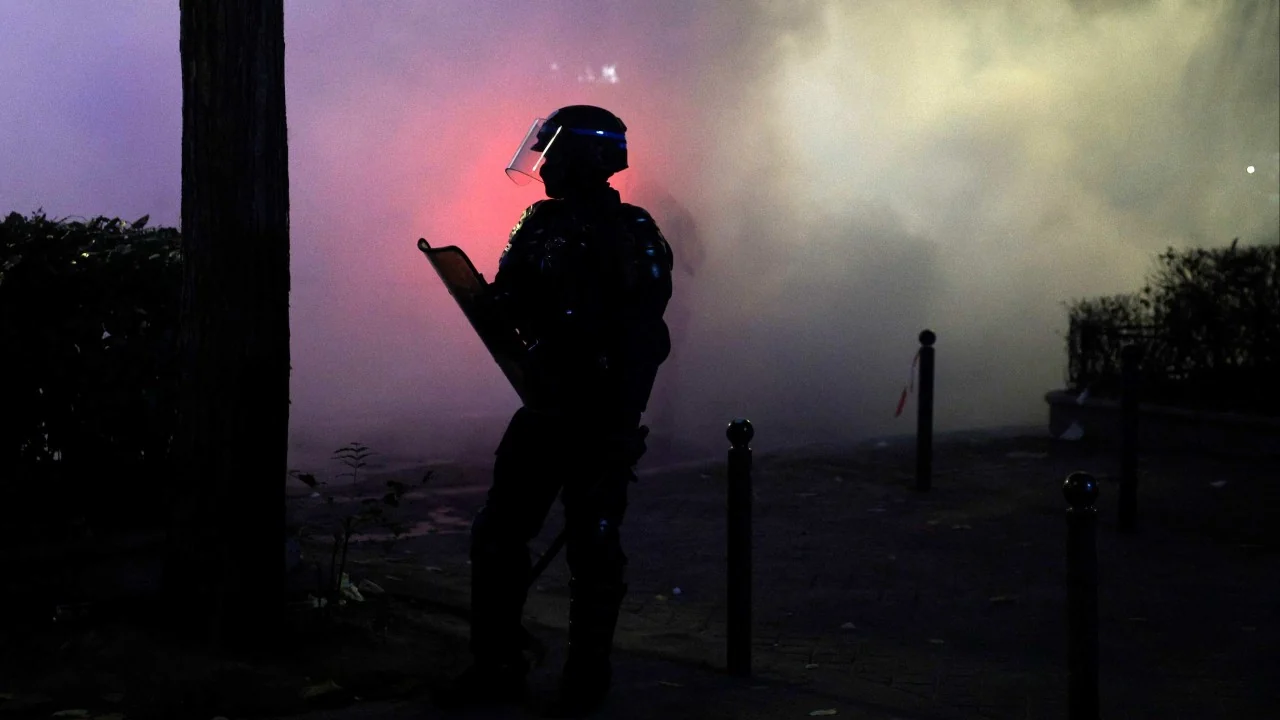
There were also clashes. Yellow Vests defied a ban on their Paris rally, leading to arrests, Al Jazeera reported. Reporting on November 8, 産経ニュース said the Interior Ministry announced 360 detentions after clashes in Paris, Toulouse and Marseille. Separately, the ministry described the nationwide public order situation as broadly calm and controlled, according to Le Monde.
On November 9, French Prime Minister Sébastien Lecornu announced that a planned minimum wage increase would take effect in December rather than January, according to South China Morning Post. The 1.6 percent increase amounts to an extra 24 euros net per month, ARD Tagesschau reported.
The government also announced planned tax measures for businesses and sought a new round of sectoral pay negotiations, according to Euronews. Unions were not satisfied and called for mobilisation to continue, Franceinfo reported.
Where it stands
The wage announcement has not ended the protests. On November 10, Euronews reported that pupils were stepping up their action and that firework mortars had been set off inside schools as tensions rose.
Talks have also run into trouble. Unions walked out of discussions with the prime minister's office over the presence of the far right, according to Euronews. Saturday's lower turnout therefore sits alongside continued mobilisation and a fresh obstacle to negotiations.
What to watch
The next fixed milestone is December 1, when the minimum wage increase is due to take effect. The proposed sectoral pay negotiations and business tax measures are other parts of the government's response to watch, according to Euronews.
Education remains an unresolved demand. Teachers, lycée pupils and university students were called to strike and demonstrate on November 10, with a major Paris protest expected, The Local reported. The supplied coverage does not yet establish the turnout for that mobilisation.
More in World
All →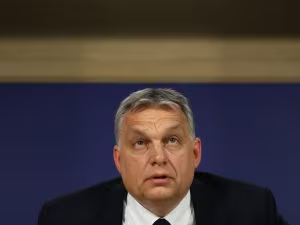
Viktor Orbán's brother detained in Hungary over suspected human trafficking
Reports link Áron Orbán's detention to an alleged visa scheme, while Viktor Orbán calls the investigation politically motivated and Hungarian authorities continue their inquiries.
17 sources · today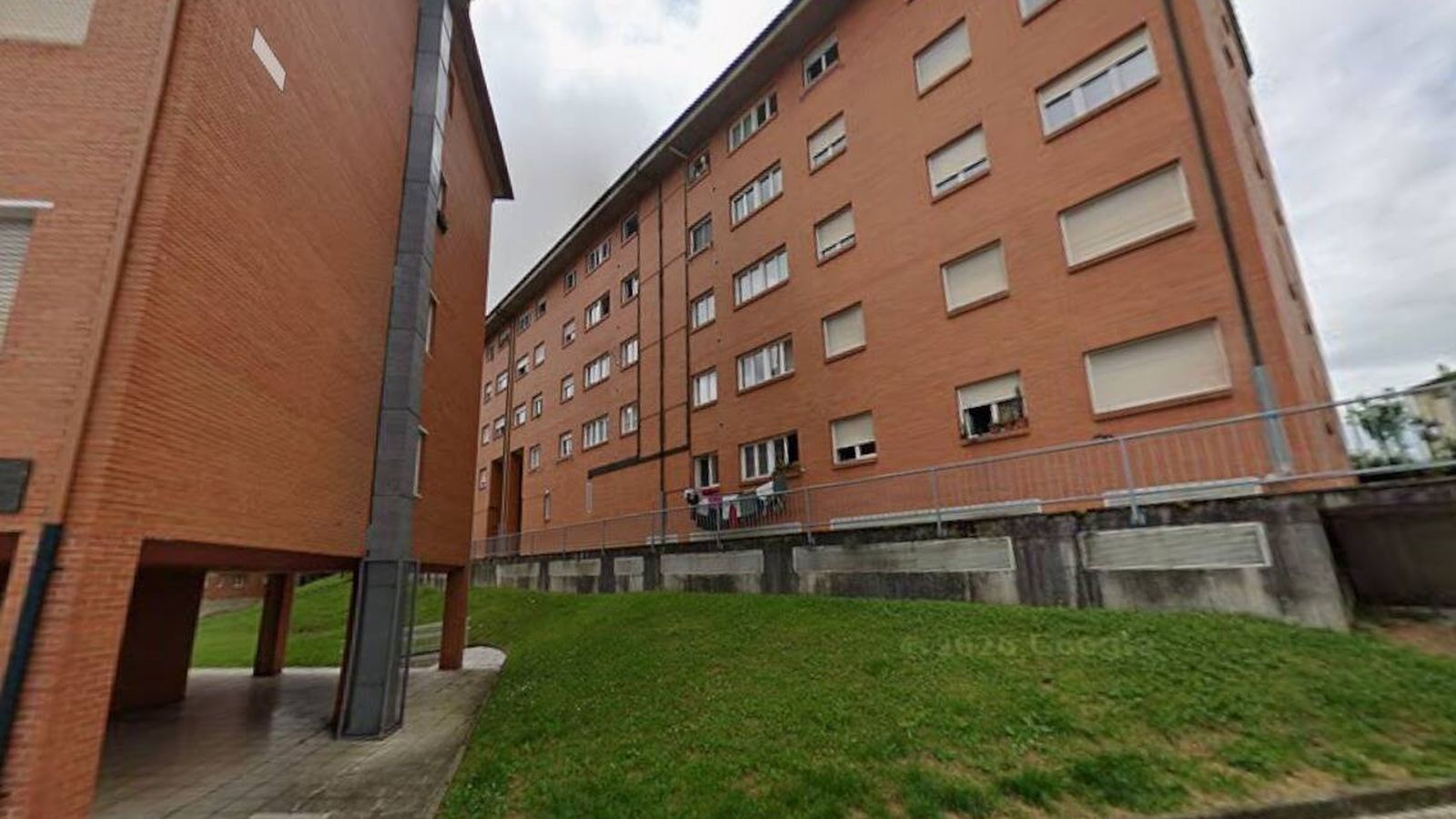
Police officer killed and another gravely injured in Oviedo backpack explosion
An explosion during a police response to a reported shooting in Oviedo has killed one officer and gravely injured another, with the sequence of events still emerging.
8 sources · today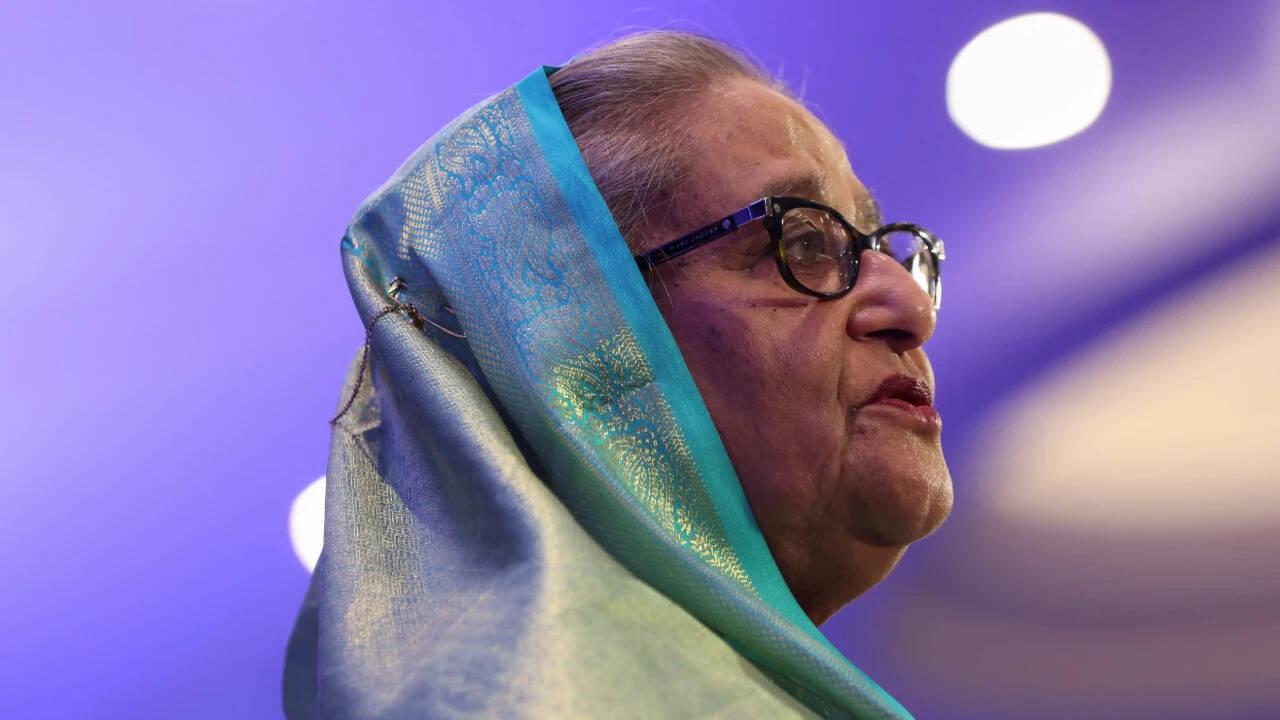
Sheikh Hasina Seeks Passport as Bangladesh Demands Extradition and Prosecutor Warns Execution
Hasina's promised December return from India now faces a passport dispute, an extradition demand and a prosecutor's warning that her death sentence will be carried out.
15 sources · over 3 days