
Gadi Eisenkot Gets Six Weeks to Build Israel's Next Government
Gadi Eisenkot has a mandate to form a coalition, but a seat shortfall and disputes over military conscription leave Benjamin Netanyahu with room to influence the outcome.
By Hushread Stories, from 24 outlets · First published 9 Nov 2026
In brief
- President Isaac Herzog has tasked Gadi Eisenkot with forming a government after Israel's inconclusive October election.
- Eisenkot has six weeks to assemble a coalition capable of replacing Prime Minister Benjamin Netanyahu.
- The opposition has 48 seats, compared with 53 for Netanyahu's bloc, leaving Eisenkot needing additional partners.
- Winning religious parties could require Eisenkot to retreat from pledges to enforce universal military conscription.
- Netanyahu renewed his call for a unity government under his leadership, while the new Knesset speaker could affect efforts to oust him.
Timeline · 8 moments
New Knesset speaker could help efforts to oust Netanyahu
The Guardian ↗Netanyahu renews call to lead unity government
Infobae ↗Netanyahu offers unity government under his leadership
Times now ↗Lieberman talks planned as political rifts emerge
World News Headlines, Latest International News, World Breaking News - Times of India News ↗Religious party outreach raises military conscription trade-off
Washington Post World ↗Seat totals expose Eisenkot's need for additional partners
NDTV Top Stories ↗Herzog gives Eisenkot six weeks to form government
France 24 - Middle East ↗Eisenkot calls for a national emergency government
RTE.ie ↗Update 10 Nov 2026, 8:23 am UTC
The Guardian reports that the new Knesset speaker could play a key role in efforts to remove Benjamin Netanyahu as prime minister, adding a parliamentary route to the coalition talks. CNA and NDTV also examine how the new parliament could constrain Netanyahu while Gadi Eisenkot seeks to form a government.
Update 10 Nov 2026, 2:22 am UTC
Infobae reports that Benjamin Netanyahu renewed his call for a unity government with himself as its head, a day after President Isaac Herzog formally gave Gadi Eisenkot the mandate. The latest coverage does not report a coalition agreement or a change to Eisenkot's six-week deadline.
How it started
Israel's October election left the country without a clear leader, according to The Independent. The inconclusive result has opened a route to government for Gadi Eisenkot, but has not settled who can assemble a workable coalition.
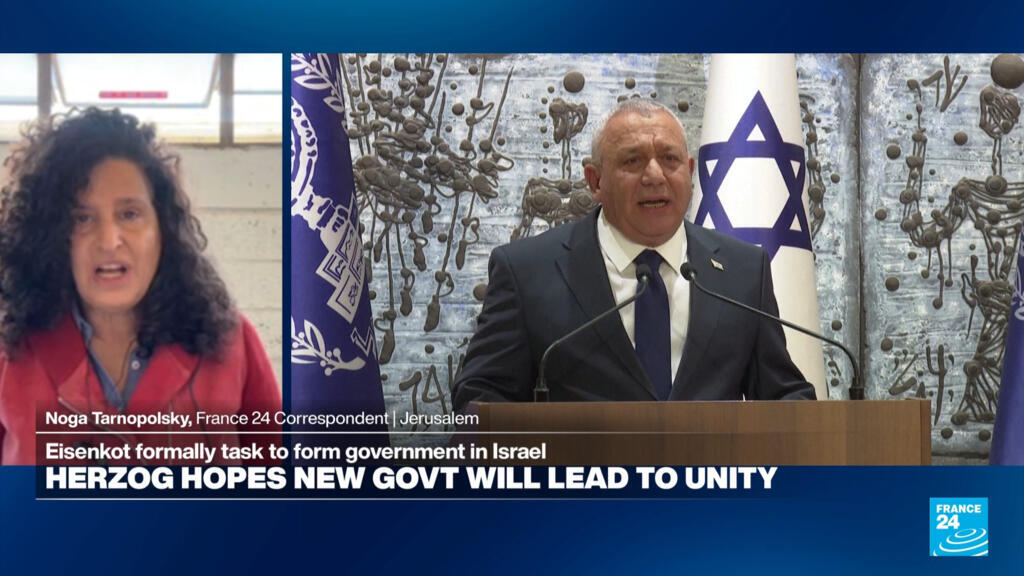
Israeli President Isaac Herzog formally gave Eisenkot the first chance to form the next government on Sunday evening, France 24 reported. Eisenkot has six weeks to put together a coalition that could replace Prime Minister Benjamin Netanyahu. The mandate is an opportunity to negotiate, not a guarantee of power.
How it unfolded
On November 8, Eisenkot called for a national emergency government, according to RTE.ie. His appeal framed the coalition effort around a broader government rather than simply replacing its leader.
Herzog's Sunday evening decision put Eisenkot in charge of that effort. Reporting on November 9, NPR described the appointment as the next step after an election that left Israel's leadership in limbo.
The parliamentary gap quickly became the central obstacle. On November 9, NDTV reported that the opposition held 48 seats against Netanyahu's 53-seat bloc. It also reported that Eisenkot had no experience conducting coalition negotiations.
Potential partners bring competing demands. The Washington Post reported on November 9 that a deal with ultra-Orthodox Jewish parties would probably require Eisenkot to backtrack on pledges to enforce universal military conscription.
Netanyahu, meanwhile, signalled that he remained part of the bargaining. On November 9, Times Now reported that he was willing to explore a unity government bringing together Zionist and Haredi parties under his leadership.
Where it stands
Eisenkot holds the mandate, but the coverage does not report a completed coalition agreement. His immediate problem is expanding the opposition's support while finding terms that prospective partners can accept.
The conscription issue exposes a specific trade-off: religious parties could help him build a government, but securing their support could mean retreating from a policy pledge, according to the Washington Post. Netanyahu's unity proposal offers a competing formula, one that would keep him at the head of government.
What to watch
Eisenkot plans leadership talks with Yisrael Beiteinu's Avigdor Lieberman, according to the Times of India, which also reported emerging rifts between them. Those discussions will test whether the prospective change bloc can agree on a common approach.
The other concrete test is whether outreach to ultra-Orthodox parties produces an agreement on conscription. Over the six-week negotiating period reported by France 24, Eisenkot needs commitments that turn his mandate into a coalition, while Netanyahu seeks support for his own unity formula.
More in Politics
All →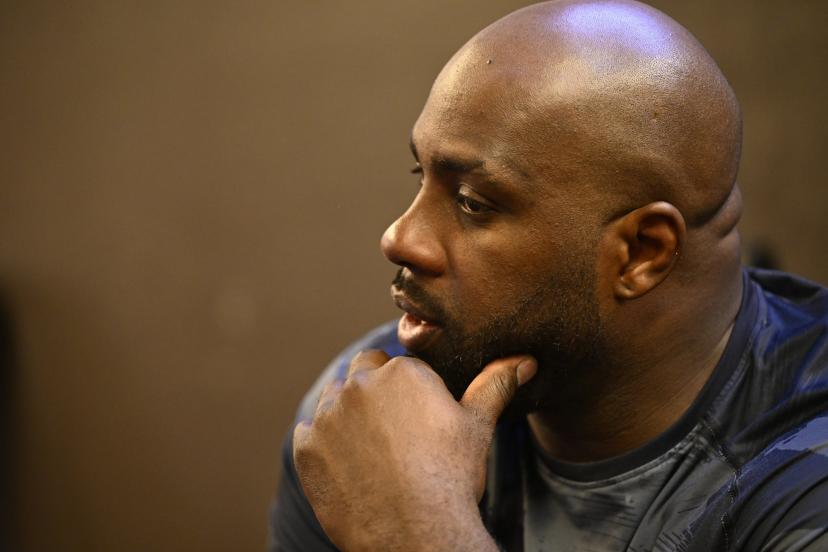
Teddy Riner announces candidacy for France's 2027 presidential election
The Olympic judo champion has entered the presidential race, saying he wants to unite the French while continuing his sporting career, with policy and campaign details still unclear.
20 sources · today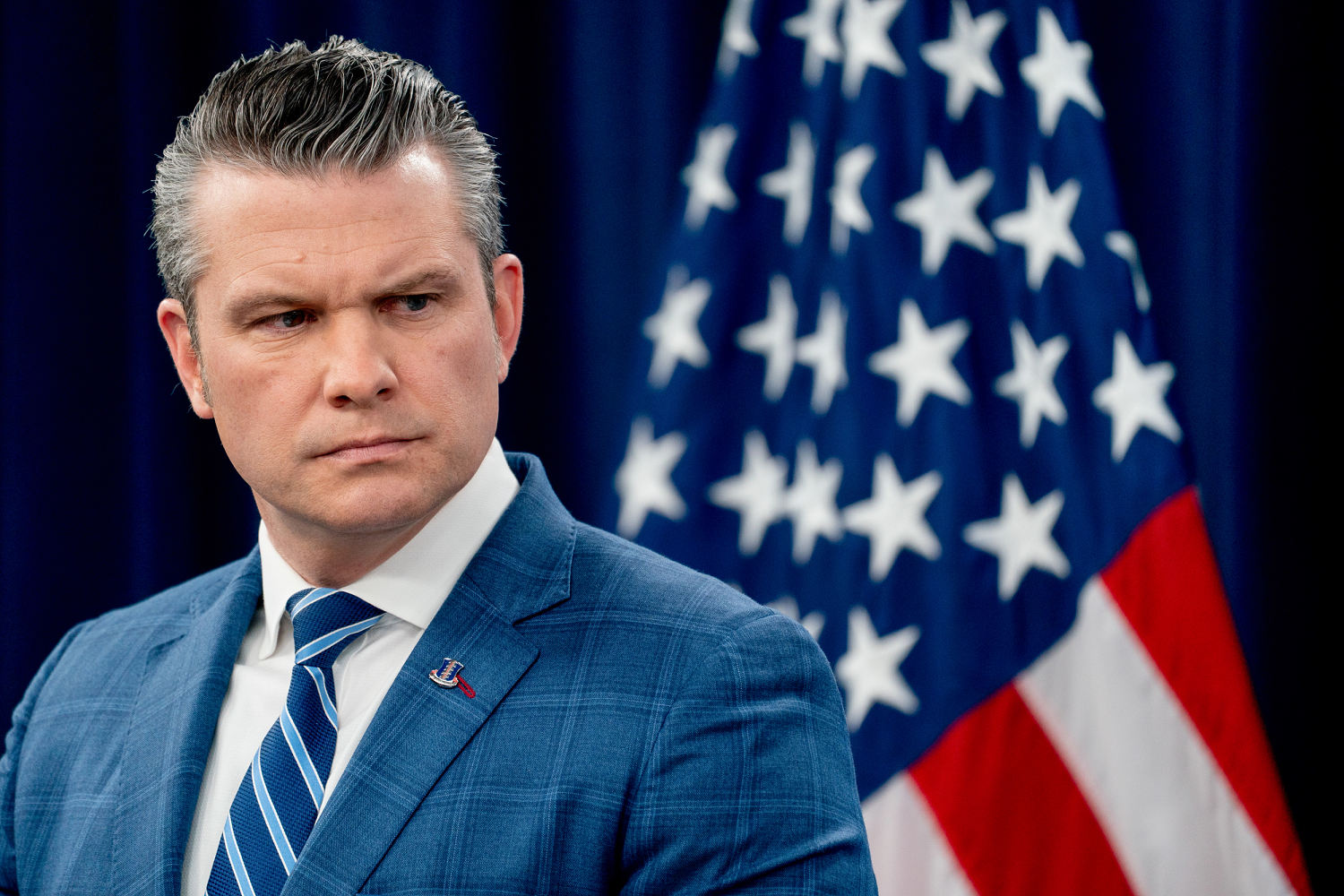
Hegseth Defies Impeachment Threat as Trump Backs Him After Midterm Losses
A Republican lawmaker plans to force an impeachment vote as soon as next week, testing support for Defense Secretary Pete Hegseth after election losses blamed on the Iran war.
77 sources · over 6 days
Supreme Court Allows Trump Border Wall Construction in Big Bend
The ruling lifts a temporary halt on border construction in southwest Texas, allowing the Trump administration to proceed with walls, roads and vehicle barriers in the Big Bend region.
17 sources · today