
German Chancellor Friedrich Merz Makes Surprise Visit to Kyiv for Military Aid Talks
German Chancellor Friedrich Merz arrived unexpectedly in Kyiv to pledge new military support for Ukraine amid escalating Russian attacks, signaling Germany's ongoing commitment to Ukraine's defense.
By Hushread Stories, written with AI from 17 outlets · First published 4 Oct 2026
In brief
- German Chancellor Friedrich Merz made an unannounced visit to Kyiv accompanied by business and government leaders.
- While Merz was in Kyiv, Russian forces carried out a drone attack on a major bridge in the capital.
- Merz met with Ukrainian President Volodymyr Zelenskyy to discuss expanded military assistance, focusing on drones and long-range projectiles.
- Germany's support for Ukraine was reiterated as the conflict with Russia intensifies and attacks on infrastructure increase.
- The details of the new German military aid package are expected to be announced after the Kyiv meetings.

Timeline · 4 moments
German Chancellor Merz arrives in Kyiv for surprise visit
DER SPIEGEL - Schlagzeilen – Tops ↗Merz joined by business and defense leaders for Kyiv trip
DIE ZEIT | Nachrichten, News, Hintergründe und Debatten ↗Drone deal and military aid on the agenda in Kyiv talks
Arab News ↗Germany expected to announce new military support and joint drone production
Deutsche Welle ↗Update 4 Oct 2026, 9:25 am UTC
During Merz's visit to Kyiv, Russian forces launched a drone attack on a key bridge in the city. Merz reaffirmed Germany's commitment to increased military aid, including drones and long-range munitions, after meeting with President Zelenskyy.
How it started
Tensions between Russia and Ukraine have remained high throughout 2026, with ongoing fighting and repeated attacks on Ukrainian infrastructure. Ukraine has relied heavily on Western support, particularly from Germany, which has become a key partner in supplying military aid.
In recent weeks, Russian forces increased their bombardment of essential Ukrainian infrastructure. This escalation prompted calls for more robust support from allies. Germany has faced growing pressure to step up its assistance, both in terms of military equipment and political backing.
How it unfolded
On October 4, 2026, Friedrich Merz, the German Chancellor, made an unannounced trip to Kyiv. News of his arrival was first reported in the morning, catching many observers by surprise. According to DER SPIEGEL, Merz's visit was a clear sign of solidarity with Ukraine as it faced renewed Russian attacks.
Merz was joined by Katherina Reiche, Germany's Economics Minister, and a delegation of business leaders, including CEOs from the defense sector. Arab News reported that the group's agenda included finalizing a drone deal and discussing further military aid for Ukraine.
Multiple outlets, including Deutschlandfunk, confirmed that Merz's visit was also a message to Moscow, which had recently warned against travel to Kyiv due to the escalating conflict. His presence in the capital was intended to reassure Ukraine of Germany's continued support.
During his visit, Merz pledged new measures to bolster Ukraine's defense, including plans for joint production of interceptor drones, according to Deutsche Welle. The specifics of the aid package have not yet been disclosed, but officials signaled that more details would follow after high-level discussions.
Where it stands
As of October 4, Merz remains in Kyiv, holding talks with Ukrainian leaders and defense industry representatives. Both sides are expected to finalize agreements on military assistance, with a particular focus on drones and other defensive measures.
Ukrainian officials have welcomed Germany's renewed commitment, especially as Russian attacks on infrastructure continue. The outcome of these discussions will likely set the tone for Germany's future involvement in supporting Ukraine's defense capabilities.
What to watch
The main questions now are the size and scope of the new military aid package and how quickly it can be delivered. Observers are also watching for details on the joint drone production initiative and whether Germany will announce further steps to counter Russian aggression in the coming weeks.
More in World
All →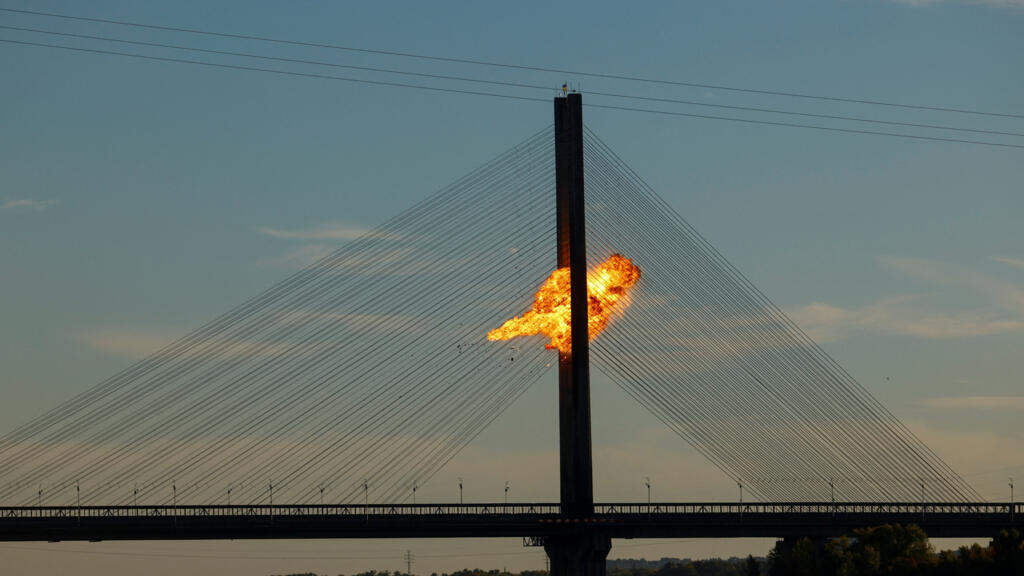
Russian Strikes Sever Kyiv's Bridges and Kill Civilians in Escalating Assault
Russia has struck a second major bridge in Kyiv, killing at least six and prompting calls for foreigners to leave the city.
50 sources · over 8 days
Denmark Hit by Massive Data Breach Affecting 8.8 Million Residents
A major breach of Denmark's central population register has exposed names, addresses, and identification numbers of millions, raising urgent concerns about data security and privacy for most Danish residents.
8 sources · today
Andrew Mountbatten-Windsor Sues Police Over Epstein-Related Arrest and Home Searches
Andrew Mountbatten-Windsor has launched legal action against Thames Valley Police, challenging the lawfulness of his February arrest and related search warrants in the ongoing Epstein files investigation.
9 sources · today