
Germany Accuses Russia of Explosive Drone Plot at Leipzig Airport
After an explosive-laden drone was found at Leipzig/Halle Airport in early August, German authorities have formally blamed Russia, escalating diplomatic tensions and prompting new security and diplomatic measures across Europe.
By Hushread Stories, from 42 outlets · First published 18 Aug 2026
In brief
- Germany has formally accused Russia of orchestrating a drone attack at Leipzig/Halle Airport, escalating diplomatic tensions.
- Investigators identified at least two suspects linked to Russian intelligence, but detaining them is unlikely due to their presumed location abroad.
- Germany has closed the Russian consulate in Bonn and terminated the lease for the Russian House cultural center in Berlin.
- The European Commission and several EU countries have condemned the attack and are considering increased security cooperation and sanctions.
- Ongoing investigations are assessing potential risks to strategic sites, with warnings of possible further Russian operations in Europe.
Timeline · 5 moments
German investigators identify Russian-linked suspects
The Independent ↗EU expresses solidarity with Germany, summons Russian envoy
Deutsche Welle ↗Berlin announces closure of Russian consulate in Bonn
DIE WELT ↗Germany blames Russia for Leipzig airport drone attack
Sky News ↗Explosive-laden drone discovered at Leipzig/Halle Airport
Franceinfo ↗How it started
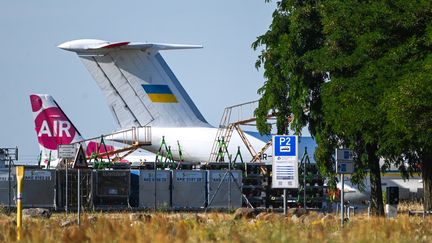
On the night of August 4 to 5, 2026, German security officials discovered a drone carrying explosives at Leipzig/Halle Airport. The drone was found on the tarmac near a Ukrainian Antonov cargo plane, which regularly uses the airport for military supply flights to Ukraine, according to Franceinfo and the BBC. The device was safely defused by authorities, but the incident immediately raised alarm due to the airport's strategic role in supporting Ukraine.
Initial investigations pointed to the possibility of a targeted attack, with German officials noting a pattern of suspicious drone activity over sensitive sites in recent months. The presence of explosives and the proximity to Ukrainian aircraft led investigators to suspect a deliberate attempt to disrupt military logistics or send a political message.
How it unfolded
In the days following the incident, German authorities intensified their investigation. By August 31 and September 1, top government officials, including the interior and foreign ministers, publicly accused Russia of orchestrating the attack, citing intelligence findings and a "known pattern" of Russian hybrid operations. Outlets such as Sky News, ARD Tagesschau, and Die Welt reported that traces from the attempted attack led investigators to operatives believed to be working for Russian intelligence.
The German government took swift diplomatic action. On September 1, it announced the closure of the Russian consulate in Bonn and the termination of the lease for the Russian House cultural center in Berlin, according to Die Welt and The Hindu. Berlin also coordinated with EU partners, with France and the Netherlands summoning the Russian ambassador and the EU expressing solidarity with Germany, as reported by Deutsche Welle and France24.
Russia rejected the accusations. Russian officials called the German claims an "absurd provocation" and warned that the diplomatic expulsions marked an unprecedented escalation, according to DIE ZEIT and Franceinfo.
By September 2, German investigators had identified at least two suspects with links to Russian intelligence, as reported by The Independent and ARD Tagesschau. However, the likelihood of detaining these suspects was described as low, given their presumed presence abroad. The investigation revealed that the attempted attack fit into a broader pattern of Russian operations aimed at undermining European support for Ukraine.
Where it stands
Germany has imposed new diplomatic sanctions against Russia, including shutting down consular and cultural institutions, and is pushing for further EU-wide measures. The European Commission and several EU countries have condemned the attack and called for increased security cooperation.
Investigations are ongoing, with German authorities continuing to track suspects and assess potential risks to other strategic sites. The incident has heightened concerns about hybrid threats and sabotage targeting European infrastructure, especially as support for Ukraine continues.
What to watch
German and EU officials are weighing additional sanctions and security steps in response to the drone incident. Investigators are also probing whether more attacks are planned, as Berlin warns of possible further Russian operations. The diplomatic fallout could deepen if new evidence emerges or if similar incidents occur elsewhere in Europe.
More in Politics
All →
Trump Backs Ramaswamy Ad as Ohio Governor Calls for Its Removal
An attack ad featuring Amy Acton's estranged mother has split Republicans, with President Donald Trump defending it as Ohio Gov. Mike DeWine urges its removal before November's election.
36 sources · over 5 days
Milei's Madrid Visit Sparks Sánchez Clash as Argentine Opposition Seeks Unity
Javier Milei's attacks on Pedro Sánchez turned his Madrid visit into a political confrontation, while Argentina's opposition moved toward a common congressional strategy ahead of the 2027 elections.
13 sources · over 6 days
Lula and Flávio Bolsonaro Take Brazil's Election Fight From Debate to Court
Days before Brazil's October 25 runoff, the rivals are seeking each other's disqualification after a bitter televised debate, while polls show a closely contested race.
37 sources · over 8 days