
Global Chip Sell-Off Deepens as Inflation Adds to AI Investment Fears
South Korean chipmakers are taking heavy losses as doubts about AI spending, Chinese competition and higher borrowing costs spread across global technology markets.
By Hushread Stories, written with AI from 19 outlets · First published 15 Oct 2026
In brief
- Asian technology stocks fell further on October 15 after hot US inflation intensified fears about interest rates.
- SK Hynix shares plunged 10% as investors weighed AI funding concerns and signs of reduced technology spending.
- South Korea's Kospi had already fallen 22% from its peak before this week's technology rout deepened.
- Broadcom CEO Hock Tan compared many AI investors to casino gamblers, adding to concerns about investment expectations.
- Investors are watching AI spending commitments and borrowing costs to assess whether the sector's profit boom can last.
Timeline · 6 moments
Investors consider China a possible technology bright spot
Bloomberg Technology ↗SK Hynix plunges 10% as Asian technology rout deepens
CNBC International ↗Hot US inflation fuels rate fears and AI losses
cnn.com ↗CXMT progress adds competitive pressure to chip stock losses
AI - The Guardian ↗Broadcom CEO compares many AI investors to casino gamblers
Bloomberg Technology ↗Korean stocks struggle for buyers as AI enthusiasm fades
Bloomberg ↗How it started
South Korea's stock market had been a leading beneficiary of the global AI trade. By October 11, that enthusiasm was fading, with Bloomberg reporting that the $4.3 trillion market was struggling to attract buyers.
The reversal was already substantial before this week's sharper losses. On October 12, Economic Times Business & Economy reported that the Kospi had dropped 22% from its peak, making it the worst performer in the second half of the year.
The concern is not simply whether demand for AI chips remains strong. According to South China Morning Post, investors are questioning whether the memory chip sector's AI-driven profit boom can last, even as soaring prices support strong quarterly earnings.
How it unfolded
On October 12, Bloomberg Technology reported that Broadcom Chief Executive Officer Hock Tan had compared many AI investors to casino gamblers, suggesting some had little understanding of their bets. His comments gave a sharper edge to the debate about investment expectations.
On October 13, the selling spread across chip stocks. The Financial Times reported that Tan's comments helped push Samsung and SK Hynix sharply lower in Seoul, while CNBC Technology described Asian technology shares following a sell-off in US semiconductor stocks.
Competition from China added another source of pressure. The Guardian reported that Samsung shares tumbled after Chinese rival CXMT claimed strong progress. Economic Times Business & Economy also linked losses in US chip manufacturers, particularly memory and data storage companies, to CXMT's advances and AI spending concerns.
On October 14, inflation compounded those worries. CNN reported that a hot US inflation report fuelled expectations of interest rate increases as technology stocks declined. The Financial Times World reported falls in Nvidia, Oracle and CoreWeave amid concerns about inflation and AI debt.
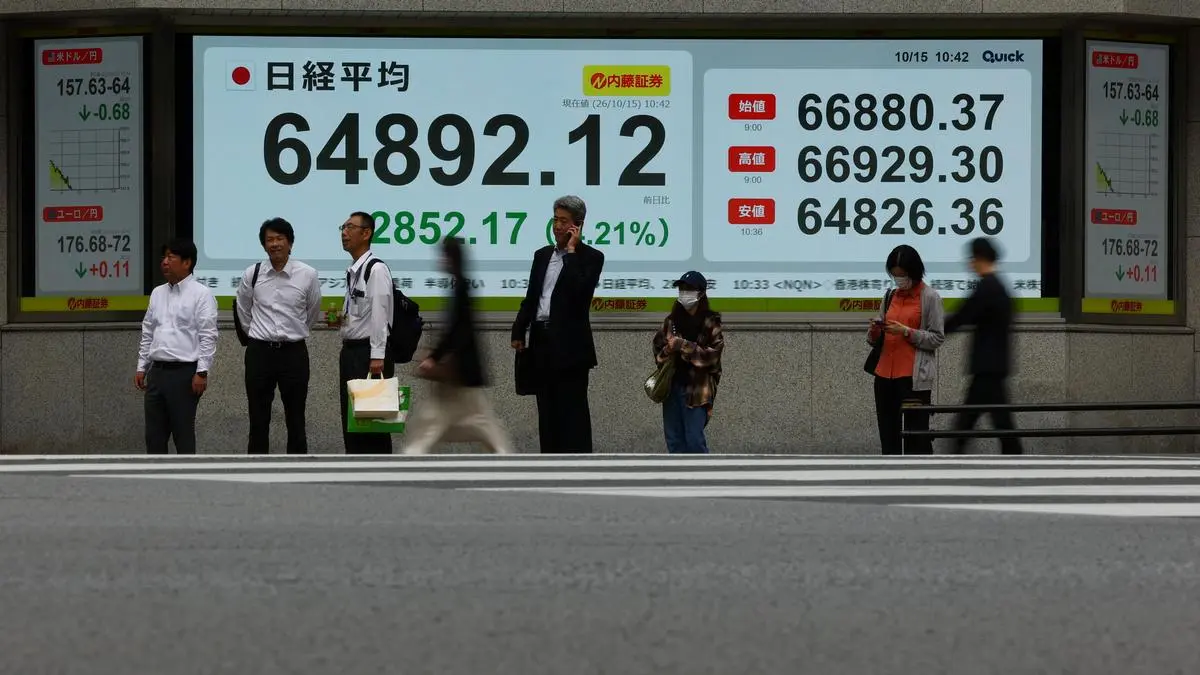
By October 15, the downturn had returned to Asian markets. CNBC International reported a 10% plunge in SK Hynix shares amid rate hike fears, AI funding worries and signs of reduced spending on artificial intelligence and cloud computing.
Where it stands
The sell-off now reaches beyond individual chipmakers. On October 15, the Financial Times reported deeper losses in AI-related stocks in South Korea and Japan after Wall Street fell on hot US inflation.
Investors are weighing several pressures at once: whether AI investment can sustain expected profits, whether Chinese competitors will gain ground, and whether higher borrowing costs will constrain spending. MarketWatch reported that inflation and financing costs could slow AI development and investment.
China's role is not entirely negative for investors. While CXMT's advances have unsettled established chipmakers, Bloomberg Technology reported on October 15 that the Asian technology sell-off was also prompting investors to consider China as a possible bright spot.
What to watch
The next test is whether companies' spending plans support the expectations built into the AI trade. MarketWatch reported growing anticipation for Anthropic's investor day as Wall Street became less patient with heavy AI spending.
Funding conditions are another open question. CNBC International reported signs of reduced AI and cloud spending, while CNN linked the latest inflation figures to increased expectations of rate hikes. Whether those pressures lead to further spending restraint will matter for chip suppliers.
More in Business
All →
Fairfax Completes Acquisition of 60.72% Stake in IDBI Bank
Canada's Fairfax has bought the controlling stake in IDBI Bank for ₹52,878 crore, completing the sale previously awaiting finalisation.
14 sources · today
Lufthansa wins contest for minority stake in Portugal's TAP airline
Portugal has selected Lufthansa for a 44.9 percent stake in TAP, beating Air France-KLM as the government moves its state-owned airline back towards partial private ownership.
16 sources · today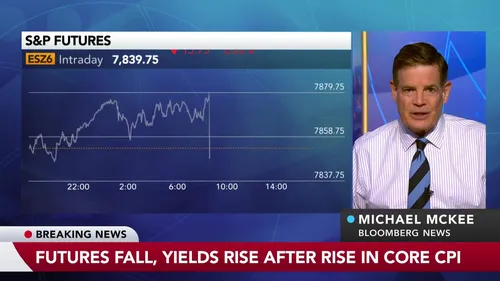
US Inflation Rises to 3.7% in September as Gas Prices Jump
A sharp rise in gasoline prices pushed annual inflation higher in September, putting household costs back in focus as the United States approaches the midterm elections.
32 sources · over 3 days