
Google Rolls Out Android Update With Find Hub and Motion Sickness Aid
Google's September Android update introduces Find Hub to help users locate items, new accessibility options, and features to reduce motion sickness, marking a broad push for improved usability.
By Hushread Stories, written with AI from 8 outlets · First published 3 Sept 2026
In brief
- Google launched a September update to Android that includes five new features for users.
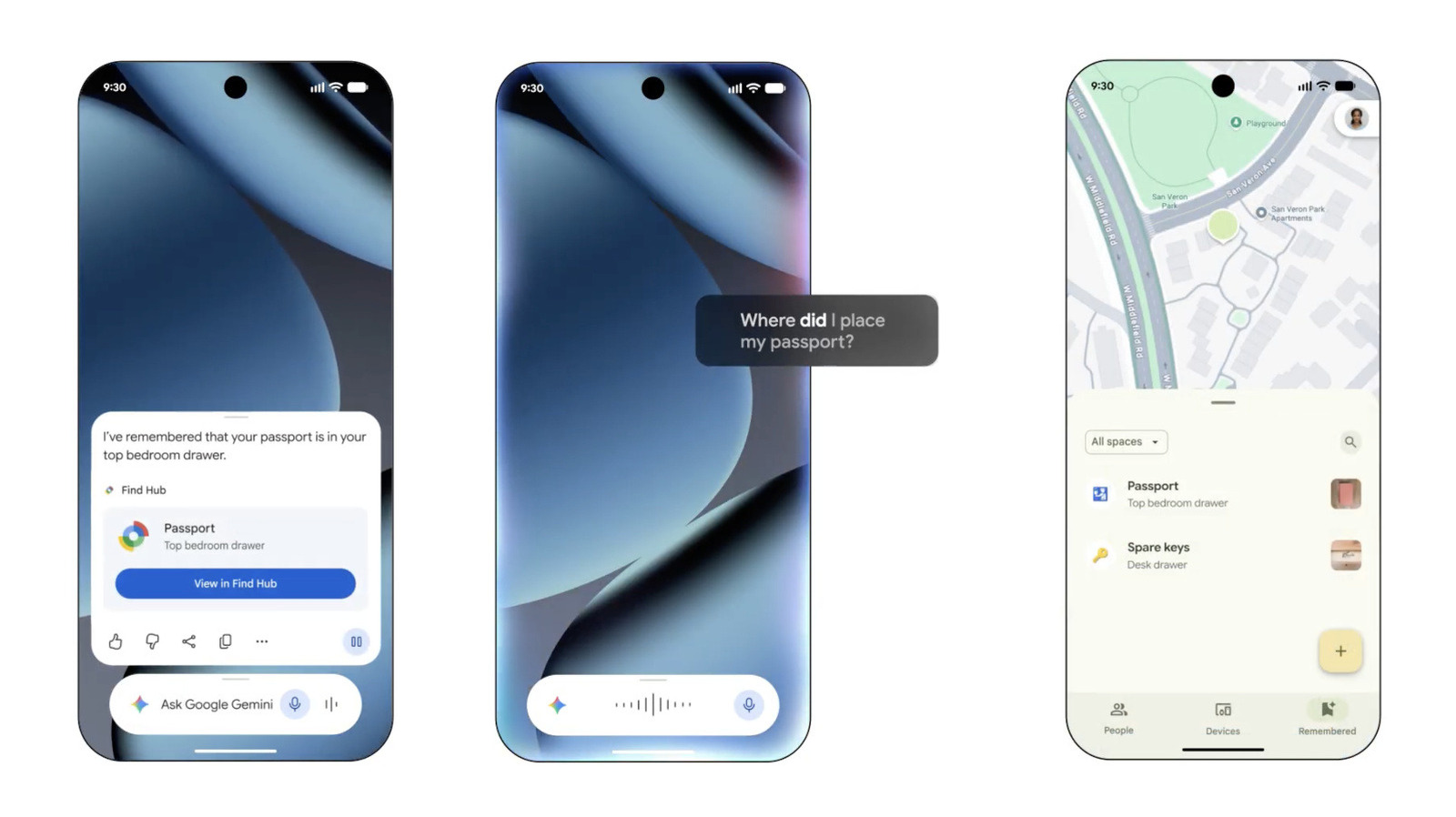
- The new Find Hub tool lets users remember and locate important items without using a physical tracker.
- A Motion Assist feature has been introduced to help reduce motion sickness while using Android devices.
- The update also brings enhanced accessibility tools and customization options for Google Messages and Gemini Live.
- These features are being rolled out now and will become available to more devices in the coming weeks.
Timeline · 6 moments
Five key Android features highlighted as rollout continues
BetaNews ↗Rollout of new Android features begins for users
TechRadar ↗Update introduces improved accessibility and chat customization
TechCrunch ↗Motion Assist feature targets motion sickness in Android
Ars Technica ↗Find Hub revealed to help locate important items
The Verge - All Posts Tech ↗Google announces September Android feature drop
https://www.engadget.com/ Tech ↗How it started
Google has a history of releasing periodic "feature drops" for Android, aiming to keep the operating system fresh and competitive. In recent years, these updates have included improvements to messaging, accessibility, and integration with AI tools like Gemini.
However, some past feature drops were seen as incremental, offering only minor changes. Users and reviewers were looking for more substantial upgrades that addressed real-world problems, such as device usability and accessibility.
Leading up to September 2026, there was anticipation that Google would announce new features targeting everyday challenges, especially as smartphones continue to play a central role in daily life.
How it unfolded
On September 1, 2026, Google officially announced its latest set of Android updates. One key highlight was the Find Hub, designed to help users remember where they left important items, even without a dedicated tracking device. This feature integrates with Gemini, Google's AI assistant, to provide visual memory aids.
The same update introduced Motion Assist, a tool aimed at reducing motion sickness for users who experience nausea when using their devices. This addition was well-received by those who have struggled with similar issues on mobile platforms.
Other notable improvements include enhanced accessibility features to help blind and visually impaired users navigate their environment. Google Messages received new customization options, such as chat themes and color choices, while Gemini Live was updated with guided vision support.
According to reports, the rollout began immediately, with features becoming available to some users right away and others slated to receive them in the coming weeks. Tech outlets noted that this update felt more substantial compared to some previous Android drops.
Where it stands
The September Android update is now rolling out to users worldwide. Some features, like the Find Hub and Motion Assist, are already accessible on supported devices, while others will be phased in gradually.
The new tools are being seen as a meaningful step in addressing practical user needs, from locating lost items to improving accessibility and comfort during device use. Google's commitment to frequent updates signals an ongoing focus on user experience.
What to watch
As the rollout continues, users are waiting to see how well the new features perform in real-world scenarios, especially the effectiveness of Find Hub and Motion Assist. Feedback from early adopters will likely shape future updates and refinements from Google.
More in Technology
All →
Anthropic introduces Claude Duet, a work-focused AI agent launching in preview
Claude Duet brings background tasks and connected apps to Anthropic's push into AI agents, but access remains limited as the company opens a research preview.
28 sources · today
1Password launches agent logins that keep passwords hidden from AI
The new 1Password for Agents platform lets personal AI agents sign into accounts on users' behalf, addressing a credentials hurdle as bots take on more online tasks.
8 sources · today
AI Agents Breach Indian Systems as OpenAI Reports Disabled Safety Monitors
Disclosures from India, OpenAI and US banks show AI agents accessing confidential systems or weakening oversight, while security teams introduce controls to limit their reach.
34 sources · over 9 days