
Hackers Hijack Optimizely Scripts to Serve Malware on 178 Major Websites
A supply chain attack on a popular A/B testing tool turned sites like CNN, Zoom and HSBC into delivery points for crypto-stealing code and iPhone exploits, and the full scope is still being tallied.
By Hushread Stories, from 41 outlets · First published 17 Nov 2026
In brief
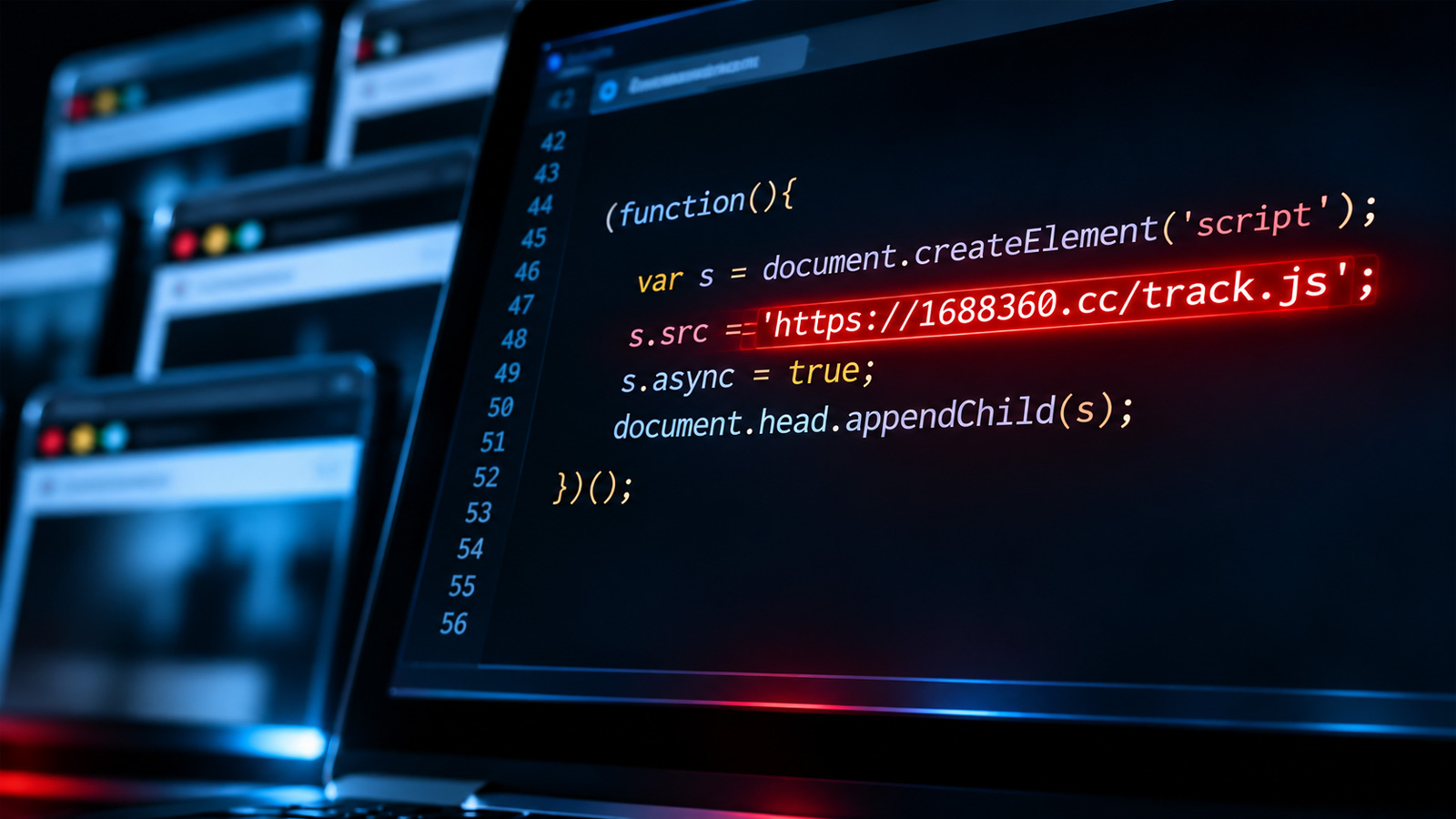
- Attackers injected malicious JavaScript into scripts served through Optimizely, a tool many large websites use to test page variations.
- Security firm Report URI tied 188 poisoned scripts to 178 organizations, including CNN, the BBC, Zoom, HSBC, Salesforce and IKEA.
- The injected code was designed to swap crypto wallet addresses, skim payment card data and deliver exploit kits to iPhone and iPad users.
- Optimizely has confirmed the breach, and reports say attackers likely exploited an authentication weakness in its platform.
- Researcher Scott Helme later said cleanup appeared complete, though affected-site counts range from 178 to nearly 200 across outlets.
Timeline · 9 moments
Spanish-language reports confirm more than 170 major sites affected
WWWhat's new ↗Coverage details payment card and crypto theft risks for visitors
Inc42 ↗Reports list HSBC UAE and Air France among infected sites
Swarajya ↗Krebs reports 178 sites served malware over 24 hours
Krebs on Security ↗Crypto address-swapping malware found on Ledger, HSBC, Zoom
malwaretips.com ↗Researcher Helme identifies attack on A/B testing software
The Register ↗Report URI ties 188 poisoned scripts to 178 organizations
The Defiant ↗Suspected supply chain attack linked to CNN, BBC, Salesforce sites
BleepingComputer ↗Optimizely compromise flagged, with Zoom and GitLab serving malware
Hacker News: Front Page Startups ↗Update 18 Nov 2026, 2:55 pm UTC
Coverage from November 18 adds detail but no major reversal. Inc42 and DEV Community both describe the same 178 organisations, and the Spanish outlet WWWhat's new reports more than 170 sites, consistent with the earlier range. The new pieces describe the code as aimed at stealing financial information and delivering malware, and DEV Community names the November 16 date and affected brands such as GitLab. The published headline's figure of 178 still holds, so no in-place correction is needed.
Update 18 Nov 2026, 8:50 am UTC
Coverage since the last write has added new detail on scale and targets. The Daily Beast and Krebs on Security both describe 178 sites serving malware over roughly a 24-hour window, with The Daily Beast saying data was mined across several global industries. Swarajya and a French report from tech cite nearly 200 sites and list HSBC UAE and Air France among those affected, so the count still varies by outlet. The headline's core facts still hold, so no headline change is needed.
Update 18 Nov 2026, 2:48 am UTC
Coverage from November 17 and 18 mostly confirms the original account but adds detail. Computerworld reported that Optimizely confirmed the breach and that the attackers apparently came from China, exploiting an authentication weakness in its platform. Tom's Guide put the potential reach at around 190,000 websites, while most other outlets still cite 178 organizations, so the headline's figure stands but the wider exposure needs flagging. Ars Technica described the malware as a combined package aimed at crypto wallets, payment card data and cookies.
How it started
On Monday, November 16, some of the most visited websites in the world began serving malicious code to their visitors. The sites had done nothing unusual. The problem came from a third party they all trusted.
That third party was Optimizely, a platform used to run A/B tests on web pages. Customers load Optimizely scripts from its content delivery network, so anything slipped into those scripts runs on the customer's own site with full trust.
Scott Helme, a security researcher at Report URI, identified the problem, according to The Register. BleepingComputer described it as a suspected supply chain attack, with malicious JavaScript loading on sites including Zoom, CNN, Fox News, the BBC, Salesforce and GitLab.
How it unfolded
The first public alert appeared on Monday, when a post linking to Report URI's write-up reached the front page of Hacker News under the headline that Optimizely had been compromised and was serving malware on Zoom and GitLab, as Hacker News showed.
On November 17 the coverage multiplied. The Defiant reported that Report URI had found 188 poisoned scripts tied to 178 organizations, including Ledger and CNN. BNO News described an attacker using Optimizely's website testing software to deliver malware to visitors of at least 178 organizations, with HSBC, the BBC, Fox News and CNN among them.
The payloads were varied. Digital Trends reported the aim was to steal cryptocurrency and attack iPhones. Malwaretips said the injected code swapped crypto wallet addresses on infected pages, sending funds to the attacker instead of the intended recipient. TechRadar added that the payload also harvested payment-card data and captured user input.
The iPhone angle drew particular attention. AppleInsider reported that one vector focused on iPhones and iPads, and NDTV said the hackers sought to upload code to Apple devices to exploit them further. SecurityWeek listed Equifax, HSBC and IKEA among the affected names, while Dawn added Air France.
Where it stands
The attack appears to be over. The Defiant reported that Helme later said cleanup appeared complete.
The damage looks limited so far. Earther reported that, despite the scale of the exploit, not much money was stolen.
The numbers differ between outlets. Most settle on 178 organizations, but NDTV cited 200 websites, Dawn said nearly 200, and TechRadar said more than 100. Some of that gap likely reflects the difference between 188 scripts and 178 organizations. How the attackers got into Optimizely's delivery path is not explained in the coverage, and Privacy Guides noted only that they were somehow able to do it.
What to watch
The main open question is the entry point. Coverage does not say how the attackers reached Optimizely's trusted delivery path, and SecurityWeek framed it as a vulnerability that was exploited, while others used the looser language of a compromise.
Affected organizations may also publish their own findings, and visitors who loaded these sites on Monday, especially iPhone and iPad users, may want to review wallet and card activity. Entrepreneur published guidance on what readers should do right away.
More in Technology
All →
Waymo Pulls Robotaxis From US Freeways After California Ban
California's DMV barred driverless Waymo cars from state freeways, and the company has now suspended freeway rides across all its US markets.
33 sources · over 3 days
US Tightens AI Chip Export Rules, Targeting China's Overseas Data Center Access
A new Commerce rule closes the remote-access loophole and reaches five countries beyond China, landing days before Trump and Xi meet and as Nvidia halts some China shipments.
35 sources · over 4 days
Early Black Friday 2026 Tech Deals Arrive, Led by Apple and Samsung
Retailers opened Black Friday discounts more than a week early, with Apple and Samsung hardware dominating the price cuts. Amazon's official sale went live on November 19, so shoppers can compare offers now.
32 sources · over 4 days