
Harvard Study: 400 US Hyperscale Data Centers Use More Power Than Michigan
New research puts a number on the AI building boom: the largest US data centers draw about 2% of national electricity and emit as much carbon as Denmark, and the true totals may be higher.
By Hushread Stories, from 30 outlets · First published 17 Nov 2026
In brief
- A Harvard-led study covers 403 US hyperscale data centers whose combined electricity use exceeds that of entire states.
- Their combined consumption of about 82 terawatt-hours a year is more than Michigan's and roughly 1.8 percent of US electricity use.
- Estimated emissions reach about 25.7 million metric tons of carbon dioxide equivalent, similar to Denmark's annual output.
- Fossil fuels, including gas and coal, remain the largest power source for these facilities, according to the Nature Sustainability paper.
- Off-grid gas plants are excluded from the totals, and critics argue the figures significantly undercount real emissions.
Timeline · 13 moments
Distributed data centers proposed as answer to AI power demand
EDN ↗IEA warns datacentre emissions could rise 70% by 2030
Top Stories ↗CBS reports hyperscale centers used almost 2% of US power in 2024-2025
CBS Top Stories ↗Largest US data centers match some states and countries in power use
Technology ↗CBS quotes lead researcher Guidi on state-level comparisons
CBS Top Stories ↗Register says emissions run two to three times 2018 forecast
The Register ↗Climate advocates say the first study of AI data center pollution undercounts it
r/environment ↗Franceinfo reports the 403 facilities emit more than some European countries
Franceinfo ↗Tom's Hardware puts study's consumption at 82 terawatt-hours
Tom's Hardware ↗Ars Technica puts share of US electricity at 2%
Ars Technica ↗Update 19 Nov 2026, 9:31 am UTC
The new coverage is not about the Harvard study's numbers changing; it widens the frame to global emissions. Top Stories reports that the International Energy Agency expects datacentres worldwide to produce 70% more carbon emissions by 2030, with the US and China leaning on fossil fuels to meet AI demand. A separate EDN piece looks at whether distributed data centers could help solve AI power scaling. The original 403-facility, 82 TWh and 25.7 million ton figures still stand.
Update 18 Nov 2026, 10:03 pm UTC
New coverage from November 18 confirms the core findings and adds a useful framing: the largest US data centers now collectively draw about as much power as some individual states and even some countries, and CBS Top Stories puts their share of 2024 to 2025 US electricity use at almost 2%. Technology reports the same comparison without changing the figures. Nothing in the published headline has been overturned, so the original framing holds.
Update 18 Nov 2026, 2:38 am UTC
New coverage from The Register and CBS Top Stories largely confirms the study's core figures, with The Register putting the 403 facilities' 2024-25 share at about 1.8 percent of US electricity. The new reporting adds that emissions were roughly two to three times an earlier 2018 forecast, and CBS quotes lead researcher Gianluca Guidi on the comparison with states such as California and Florida. The headline and figures still hold, so the framing stays intact and only the key points are sharpened.
Update 17 Nov 2026, 8:31 pm UTC
The new coverage mostly confirms the original figures rather than contradicting them. Franceinfo reports the same 403 large US facilities and frames the emissions as higher than those of some European countries, which fits the study's comparison to Denmark. A Reddit post in r/environment linking to heated.world argues the study is a major undercount, which matches the earlier caveat about off-grid gas plants being excluded. Nothing in the new coverage changes the headline numbers, so the existing headline stands, but the undercount point deserves more weight in the explainer.
Update 17 Nov 2026, 2:23 pm UTC
Coverage since the original write-up has mostly reinforced the core findings, but one figure needs tightening. Tom's Hardware, citing the same Harvard-led study, puts the combined consumption of 403 hyperscale sites at about 82 TWh in a year, roughly 1.8% of US electricity, and says that is more than 80% of Michigan's total use. The headline's claim that the buildings out-consume Michigan still holds, so the core framing is unchanged. The key points below now reflect the 403-site count and the 1.8% figure from the newer reporting.
Update 17 Nov 2026, 7:51 am UTC
Coverage since the original write-up has mostly repeated the study's core findings rather than changing them. ET Datacenters and Tom's Guide both reported the emissions comparison to Denmark, which matches the published piece. No headline figure has been overturned, so the explainer stands as written, with the key points tightened to reflect the same story.
How it started
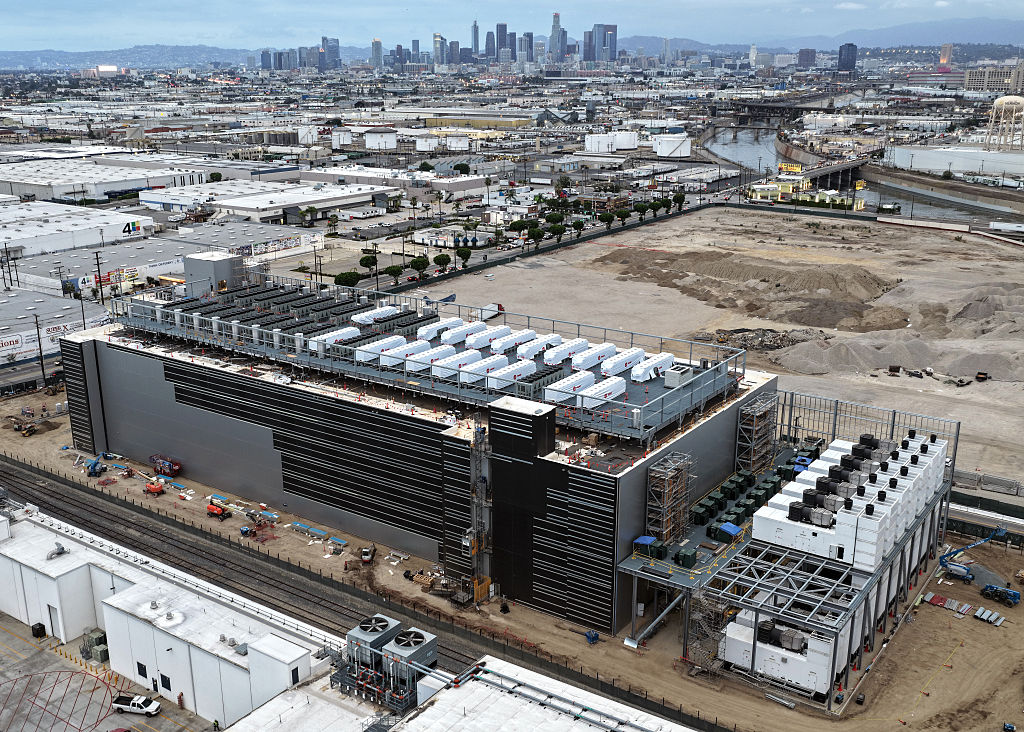
Hyperscale data centers are the biggest and most powerful class of computing facility. They support cloud computing, the training of large language models and the global rollout of artificial intelligence services, as Phys.org described them.
The tech industry's rush to turn investment money into these buildings has moved fast. Ars Technica noted that the pace has not left anyone much time to plan how to supply the electricity they need.
That gap is what Harvard-led researchers set out to measure. They collected metrics on more than 400 of the largest US facilities to work out how much power they use and how much carbon follows from it, CNET reported.
How it unfolded
The findings were published in the journal Nature Sustainability and drew wide coverage on November 16. The Verge said the paper shows fossil fuels are still the biggest source of electricity for hyperscale data centers in the US.
On the numbers, outlets differed slightly on the count. GeekWire said the study covered 403 facilities and estimated their electricity use was equal to roughly 25.7 million metric tons of emissions. The Hill described the same group as the top 400 or so data centers and said they emitted more greenhouse gases last year than Denmark.
The comparison with states was just as striking. TIME framed it as more than 400 American AI data centers using as much electricity as Wisconsin, Michigan or Indiana, while Bloomberg's technology desk put the headline at just 400 data centers using more power than Michigan.
Geographic detail came from GeekWire, which reported that Oregon ranked second among states in data center power use.
CBC News added an important caveat on timing: the emissions figure reflects a year before the artificial intelligence boom really got going, which implies the current picture could be larger.
Where it stands
The study's headline claim is that a few hundred buildings now rival states and small countries on energy and emissions. Ars Technica put their share of US electricity use at about 2%.
Fast Company stressed that most of the power behind that consumption comes from fossil fuels. The Bloomberg piece added that the totals do not include facilities running on off-grid gas plants, so the study likely undercounts.
The story also travelled internationally. German outlets including DIE ZEIT and n-tv carried it, and DIE ZEIT said the emissions are many times higher than previously assumed.
What to watch
The main open question is how much the figures grow once off-grid gas-powered facilities are counted and once the post-boom build-out shows up in the data. The coverage does not say whether the researchers plan a follow-up.
Also unresolved is how utilities, states and the industry respond to demand that, as Ars Technica put it, nobody planned supply for. None of the coverage reports a policy reaction yet.
More in Environment
All →
Fiona the hippo dies at Cincinnati Zoo 11 days after swallowing a visitor's hat
The zoo's famous nine-year-old hippo, who survived a premature birth in 2017, died despite round-the-clock care after a knit cap ended up in her enclosure, prompting grief and questions.
16 sources · over 3 days
Cyclone Akvan Nears Odisha Coast as Authorities Prepare to Move Three Lakh People
Landfall is expected near Gopalpur around noon on November 20, with schools shut and coastal areas being cleared.
20 sources · over 7 days
Massive Waves Batter California Coast as Back-to-Back Storms and El Niño Strengthen
Swells of 20 to 60 feet have flooded Bay Area streets and closed piers, and officials say more storms are on the way, so the danger has not passed.
15 sources · over 7 days