
Hong Kong Court Convicts Tiananmen Vigil Organisers for Inciting Subversion
A Hong Kong court has found two prominent activists guilty of inciting subversion for organizing Tiananmen Square memorials, highlighting concerns about free expression and tightening political controls under Beijing's national security law.
By Hushread Stories, written with AI from 15 outlets · First published 21 Aug 2026
In brief
- On August 21, 2026, a Hong Kong court convicted activists Lee Cheuk-yan and Chow Hang-tung of inciting subversion.
- The convictions stem from their roles in organizing banned Tiananmen Square vigils under the national security law imposed by Beijing.
- Both activists face up to ten years in prison, with sentencing yet to be announced, raising concerns about free expression.
- International human rights groups and Western governments condemned the ruling, citing it as part of a campaign to suppress dissent.
- The case highlights the severe impact of the national security law on Hong Kong's civil society and future pro-democracy actions.
Timeline · 5 moments
Hong Kong hits back at Western 'slander' over verdict
South China Morning Post ↗Hong Kong convicts Tiananmen vigil leaders under security law
Deutsche Welle ↗Amnesty: Tiananmen convictions part of campaign to erase history
Amnesty International News ↗Two former leaders found guilty of inciting subversion
South China Morning Post ↗Tiananmen vigil organisers convicted in Hong Kong court
Sky News ↗How it started
For decades, Hong Kong was the only place on Chinese soil where public commemorations of the 1989 Tiananmen Square crackdown were tolerated. Each year, thousands gathered in Victoria Park to remember those killed during the Beijing protests. The vigils were organized by a local group led by figures including Lee Cheuk-yan and Chow Hang-tung, both vocal advocates for democracy and historical remembrance.
This changed after Beijing imposed the national security law on Hong Kong in 2020. The law criminalized acts seen as subversion, secession, or collusion with foreign forces, and authorities quickly moved to ban public Tiananmen vigils. The group behind the annual event was disbanded under pressure, but some of its former leaders continued to speak out about the events of 1989 and the importance of remembering them.
How it unfolded
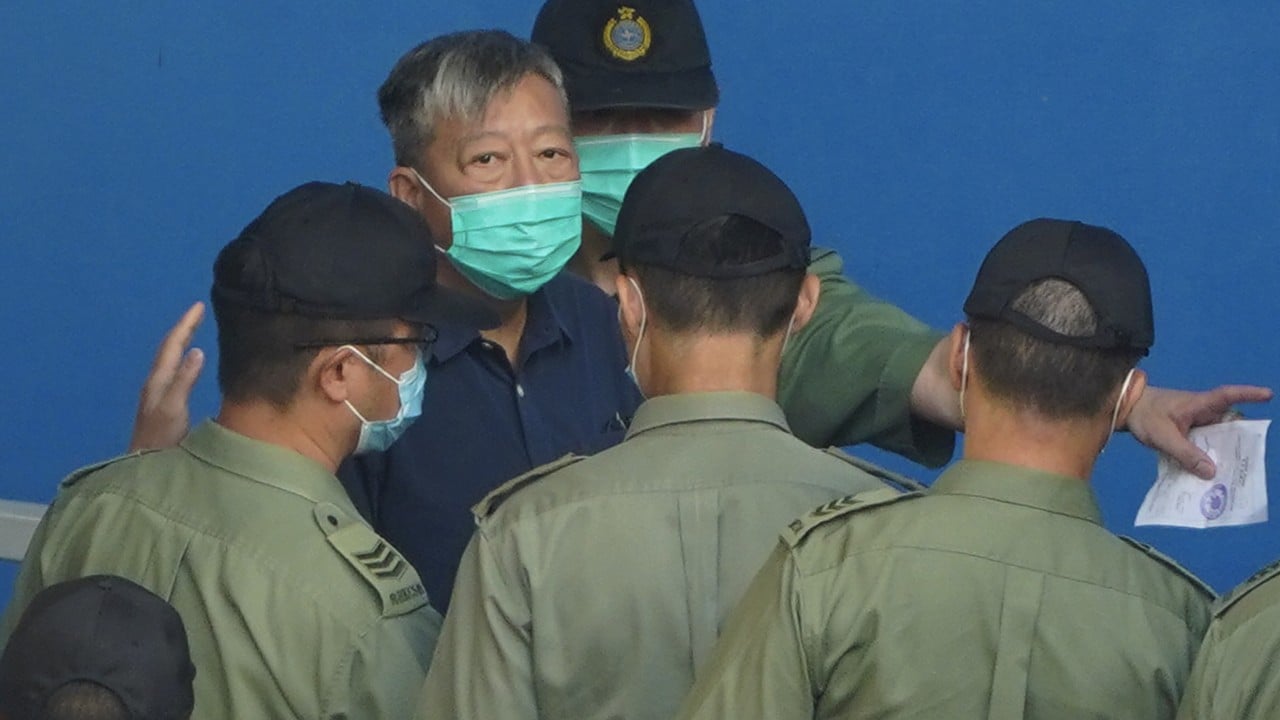
On August 21, 2026, Hong Kong's High Court convicted Lee Cheuk-yan and Chow Hang-tung of inciting subversion for their roles in organizing the banned vigils and speaking out against China's one-party rule, according to Reuters and the South China Morning Post. Both activists had pleaded not guilty to the charges, which were brought under the national security law introduced by Beijing.
The verdict drew swift criticism from international human rights groups. Amnesty International described the convictions as part of a broader campaign to erase historical memory and suppress dissent in Hong Kong. Western governments, including Germany, condemned the ruling and called attention to the shrinking space for free speech and protest in the city.
Prosecutors accused the former vigil organizers of using the annual events to undermine state authority and incite rebellion against the Chinese government. The activists maintained that their actions were peaceful and aimed solely at commemorating the victims of the 1989 crackdown.
Media outlets such as Deutsche Welle, The Guardian, and Al Jazeera reported that the case highlights the severe impact of the national security law on Hong Kong's civil society. A third defendant in the case had already pleaded guilty earlier, according to The Telegraph.
Where it stands
Lee Cheuk-yan and Chow Hang-tung now face the possibility of up to ten years in prison. Sentencing has not yet been announced, but the convictions have sent a strong signal about the risks facing those who challenge Beijing's authority in Hong Kong.
Following the verdict, Hong Kong officials rejected foreign criticism of the court's decision. According to the South China Morning Post, they described Western reactions as unjust slander and defended the legal process as fair and logical.
What to watch
The next key development will be the sentencing of the two activists, which could set a precedent for future cases under the national security law. Rights advocates and foreign governments are likely to keep a close eye on how long the sentences will be, and whether further actions are taken against other pro-democracy figures in Hong Kong.
More in Politics
All →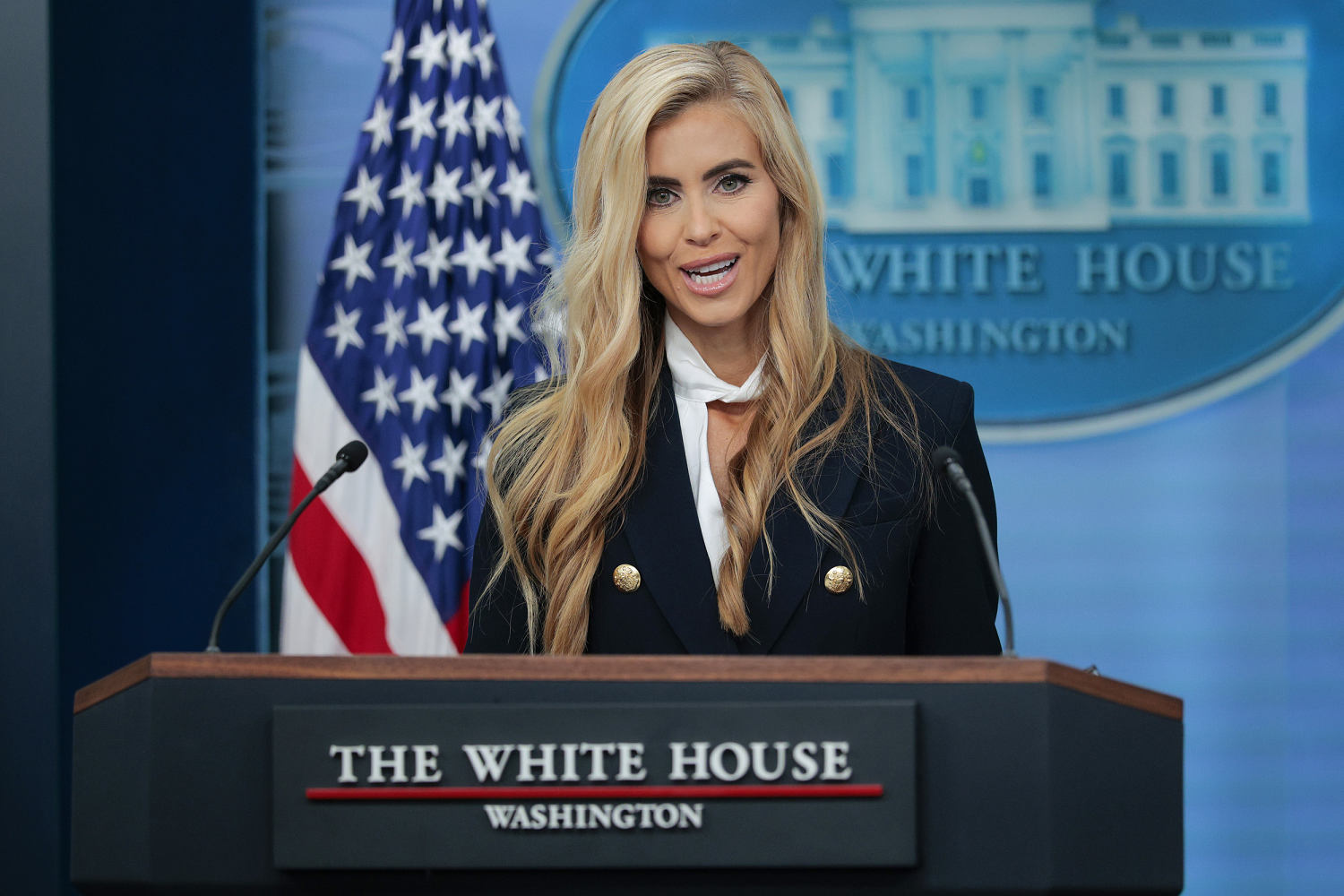
Katie Zacharia Fired After Five Days Amid Questions Over Legal Credentials
Katie Zacharia's departure ends a brief tenure dominated by questions about her legal background and first briefing, after President Donald Trump publicly suggested she reconsider the job.
77 sources · over 5 days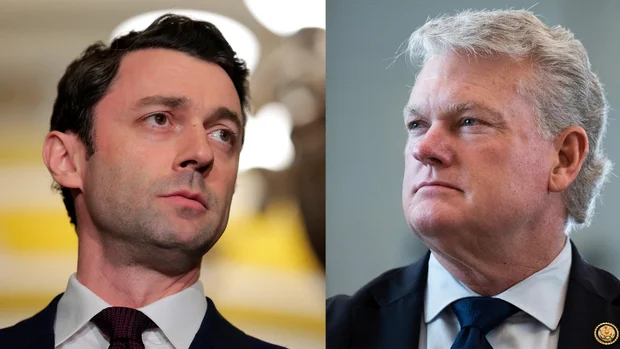
Jon Ossoff Rules Out 2028 Presidential Run in Georgia Senate Debate
The Georgia Democrat pledged to serve a full six-year Senate term if reelected, addressing presidential speculation as his November 3 contest against Republican Mike Collins approaches.
10 sources · over 3 days
Justice Department sues California over voter rolls, warns election workers
The federal government wants roughly 20,000 voters' mail ballots withheld from counting, and has warned California election officials of possible prosecution weeks before the midterms.
15 sources · over 4 days