
Hong Kong leader apologises as housing chief resigns over Tai Po fire
An inquiry into the fire that killed 168 people has exposed oversight failures, prompting a senior resignation and promises to overhaul building regulation and government departments.
By Hushread Stories, from 11 outlets · First published 29 Oct 2026 · Chapter 1 of 2
In brief
- The November 2025 fire at Wang Fuk Court in Tai Po killed 168 people and displaced thousands.
- An independent committee found that the Housing Bureau's checking unit failed to supervise maintenance work adequately.
- Chief Executive John Lee apologised on October 29 for government shortcomings connected to the deadly fire.
- Housing chief Winnie Ho Wing yin resigned, while other ministers defended their decision to remain in office.
- Lee promised building industry, regulatory and civil service reforms as victims' families continued seeking justice.
Timeline · 5 moments
Ministers defend staying in office after Tai Po fire
South China Morning Post ↗Lee defends government while announcing housing secretary's departure
NYT World News ↗Housing chief Winnie Ho Wing-yin resigns after investigation
South China Morning Post ↗John Lee and senior officials bow in apology
Infobae ↗Investigation identifies failures in government oversight of maintenance
News ↗Update 30 Oct 2026, 5:31 pm UTC
The South China Morning Post reports that ministers defended their decision not to resign over the fire, saying they put Hong Kong's well-being ahead of personal considerations. The headline remains accurate: Winnie Ho resigned, while other ministers stayed in office.
How it started
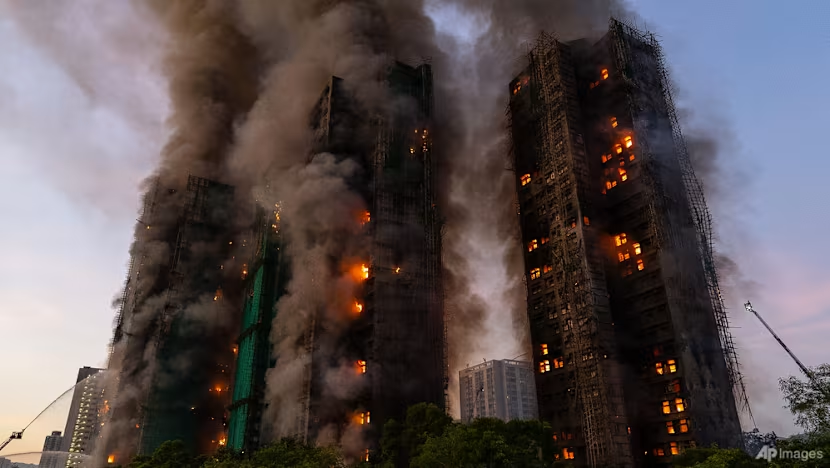
The fire broke out in November 2025 at Wang Fuk Court, a residential complex in Hong Kong's northern Tai Po district. The complex was undergoing renovation work, and the blaze ripped through seven 31-storey blocks, according to World News CNA.
The fire killed 168 people, injured 79 and displaced thousands, AFP reported. It was Hong Kong's deadliest fire since 1948, according to World News CNA.
How it unfolded
The investigation put government supervision of the renovation work under scrutiny. An independent committee found that the Housing Bureau's independent checking unit had failed in its duties overseeing maintenance work, according to News.
On October 29, 2026, Chief Executive John Lee apologised. He and several senior government officials bowed in a gesture of apology, Infobae reported.
Housing chief Winnie Ho Wing-yin resigned as Lee announced the government's response, according to the South China Morning Post. The resignation placed responsibility for the oversight failures at a senior level of government.
Lee also promised extensive changes. The Japan Times reported pledges for swift reforms to the building industry and regulatory system, while the South China Morning Post reported plans for civil service and legislative reforms and an overhaul of government departments.
Where it stands
The apology and resignation have not amounted to an unqualified acceptance of criticism. Lee vehemently defended the government even as he announced that his housing secretary would step down, according to NYT World News.
For some former residents and victims' families, accountability remains unresolved. They say they still need justice, The Guardian News reported.
What to watch
The next test is how the promised reforms change building oversight in practice. Lee's commitments cover the building industry, regulation, legislation and government departments, according to the Japan Times and the South China Morning Post.
A central issue is how those changes address the checking unit's failure to supervise maintenance work, the specific breakdown identified by the independent committee, according to News.
More in World
All →
Trump's $10 billion defamation lawsuit over Epstein letter permanently dismissed
The dismissal with prejudice ends President Donald Trump's ability to refile this lawsuit, after a judge found he failed to show the newspaper acted with actual malice.
31 sources · today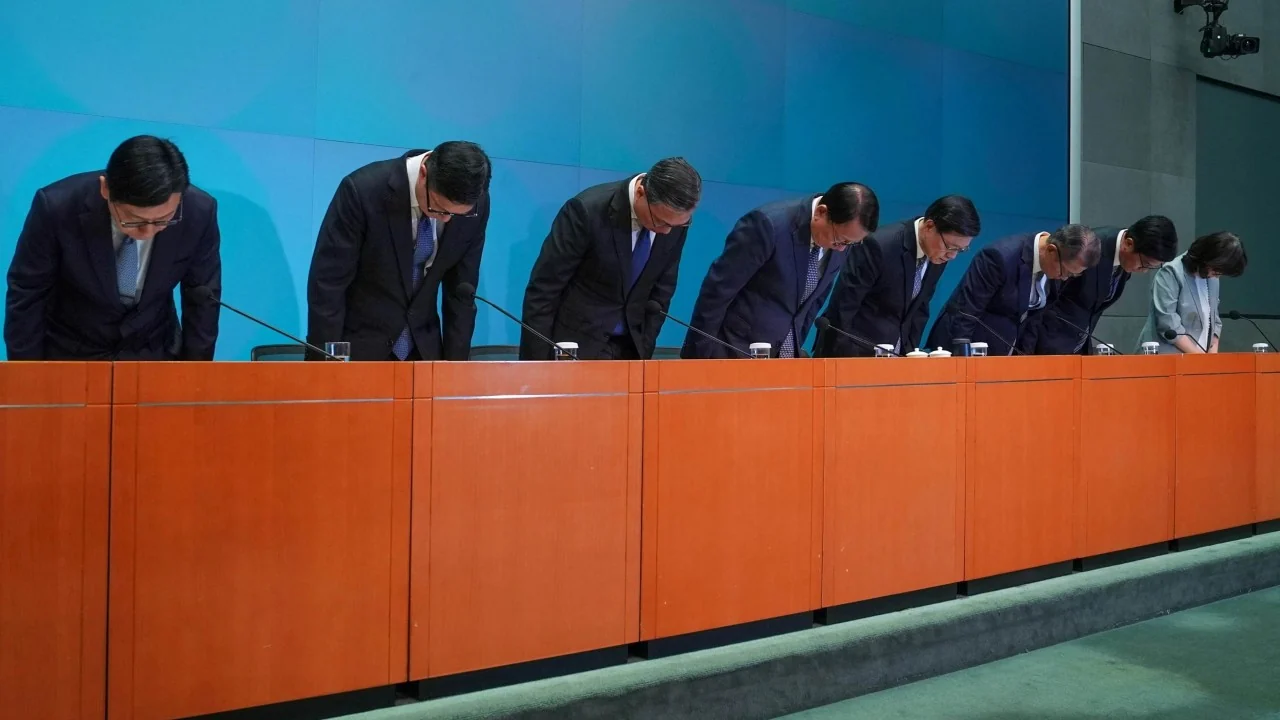
Hong Kong leader apologizes as Tai Po fire report exposes failures
A report into the fire that killed 168 people has prompted the housing secretary's resignation and reform promises, while other ministers defend staying in office.
11 sources · over 3 days
Scottish Police Investigate Andrew, Epstein and Maxwell Stays at Balmoral
Police Scotland says active enquiries are under way after receiving information about Balmoral visits, with reporting raising questions about whether women were trafficked to the royal estate.
23 sources · over 2 days