
Houthi Missiles Hit Yemen Government Palace as Fighting Intensifies in Taiz
The strike on Aden puts Yemen's government directly under fire as a tightening siege strains Taiz and attacks on Saudi Arabia raise fears of wider conflict.
By Hushread Stories, written with AI from 33 outlets · First published 16 Oct 2026 · Chapter 2 of 2
Earlier: Houthis Seek Chinese Missile Parts as Aden Palace Comes Under Attack
In brief
- Houthi missiles struck the presidential palace complex in Aden on October 15, targeting the seat of Yemen's government.
- Reports put the death toll between two and five, while Yemen's information minister said ministers were unhurt.
- Government forces remain encircled in Taiz, where blocked roads have worsened shortages of food, fuel and medicine.
- The Houthis have also attacked Saudi infrastructure, with missile and drone strikes reportedly hitting Saudi Aramco's headquarters.
- Reports of efforts to build longer range missiles add to concerns about further attacks on Saudi Arabia.
Timeline · 8 moments
Missiles hit Aden palace, minister says leaders unhurt
BBC News - Middle East ↗Report details Houthi efforts to build longer range missiles
Times of Israel - Iran ↗Houthi strikes hit Aramco headquarters and Saudi cities
Bloomberg ↗Yemeni army claims heavy Houthi casualties in Taiz
Middle East Eye ↗Saudi Arabia warns Houthis of consequences for attacks
Al Arabiya English ↗Rights group reports civilian deaths in Taiz attacks
Middle East Eye ↗Iran offers assistance with Saudi Arabia and Yemen dialogue
Curated News EN ↗Heavy clashes reported as Houthis advance towards Taiz
Al Jazeera ↗How it started
The escalation developed around Taiz before reaching the government's seat in Aden. On October 12, Al Jazeera reported heavy clashes between Houthi fighters and Yemeni forces near the strategic southern city.
The siege quickly became a civilian emergency. The Hindu reported that the Houthis had blocked all exits and carried out overnight attacks. Arab News described families rationing essentials as the blockade disrupted supplies of food, fuel and medicine.
How it unfolded
On October 13, Al Jazeera reported that Yemeni government forces were encircled in Taiz and road blockades were worsening shortages. That day, Middle East Eye cited the Yemeni Network for Rights and Freedoms as saying Houthi attacks had killed at least five civilians; its report also described a hospital being hit.
The fighting continued on October 14. According to Middle East Eye, the Yemeni army claimed more than 200 Houthi fighters had been killed or wounded in clashes in Taiz. The supplied coverage does not independently establish that figure.
The attacks also extended across Saudi Arabia. On October 14, Bloomberg reported that Houthi missile and drone strikes had hit Saudi Aramco's headquarters and several Saudi cities.
Reports published that day raised concerns about future weapons capabilities. NDTV Top Stories cited an investigation by Conflict Armament Research into weapons under development that appeared modelled on Iran's Kheibar Shekan missile. Times of Israel - Iran reported an assessment that the proposed variant, using imported Chinese parts, could have a range of 1,900 kilometres. These were reports about development efforts, not confirmation of an operational system.
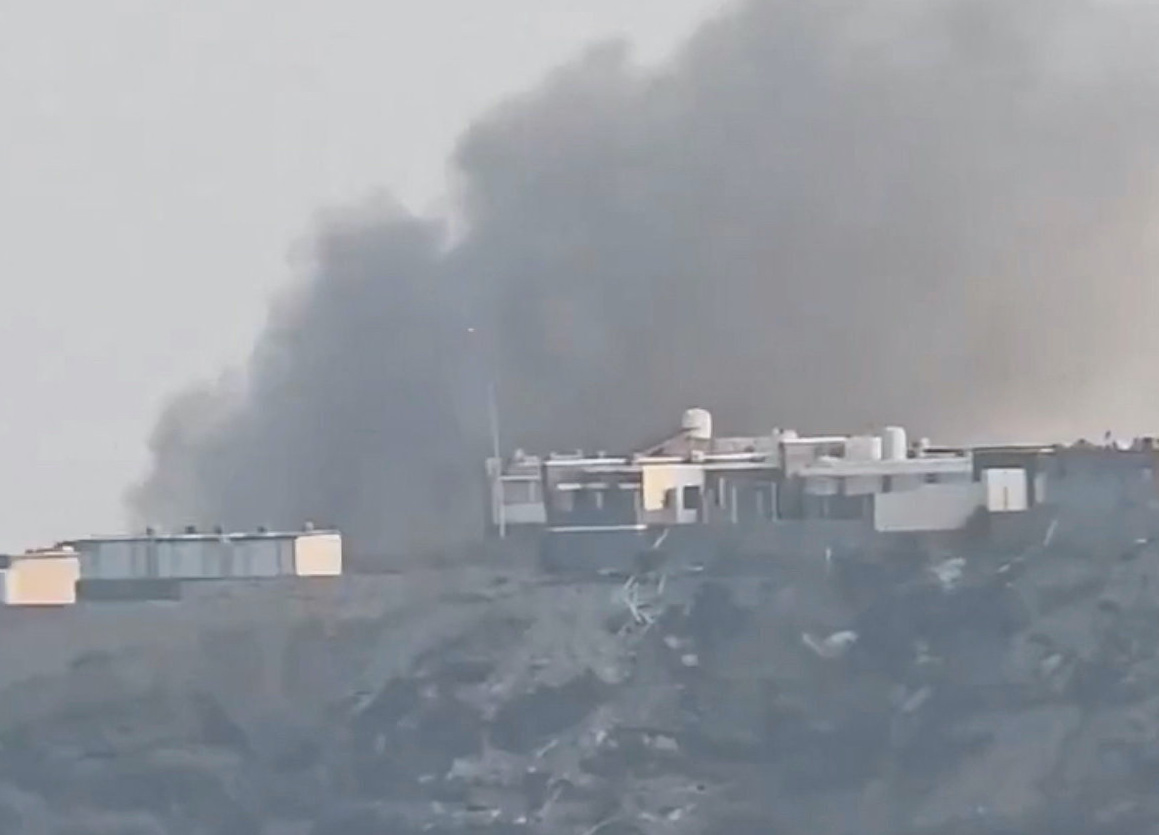
On October 15, missiles struck al-Maashiq Palace in Aden. BBC News - Middle East reported Yemen's information minister as saying two people were killed and the prime minister and other ministers were unhurt. Arab News identified the dead as two security personnel.
The Houthis described their target differently. According to Deutsche Welle, the group said it had targeted Saudi military assets at the government's interim seat. The Guardian - Iran reported witnesses describing at least six explosions near the palace.
Where it stands
The palace attack's death toll remains disputed in the supplied reporting. BBC News - Middle East reported two deaths, Times now reported four deaths and 10 injuries, and Reuters reported at least five deaths and 16 wounded. The coverage does not resolve those differences.
Taiz remains the other immediate pressure point, with government forces encircled and essential supplies disrupted, according to Al Jazeera. The palace strike adds a direct threat to the government's seat while fighting continues around the city.
Saudi Arabia has blamed Iran for the escalation, according to South China Morning Post. Separately, Al Jazeera reported that the Saudi-led coalition accused the Houthis of obtaining missile parts from regional states. Those accusations are distinct from evidence that particular weapons were used in the Aden attack.
What to watch
The immediate uncertainties are the confirmed toll in Aden and whether supply routes into Taiz reopen. The reports of missile development also leave unresolved whether the Houthis can produce and deploy the proposed longer range weapons described by Times of Israel - Iran.
Saudi Arabia has warned that the Houthis will face consequences for attacks on the kingdom, according to Al Arabiya English. A diplomatic opening has also been reported: Curated News EN said Iran's foreign minister offered assistance to facilitate dialogue between Saudi Arabia and Yemen. The supplied coverage records no resulting agreement.
More in World
All →
Hormuz Shipping Threat Remains Severe After Ship Sinkings and Tanker Fire
A warning that further attacks are highly likely follows ship losses and a reported tanker fire, while Iran and the United States dispute control of the waterway.
38 sources · over 7 days
Black Sea Ship Attacks Spread From Bulgaria to Romanian Waters
Two tankers have caught fire in Romanian waters after drone strikes sank a ship off Bulgaria, widening the emergency as rescuers search for missing sailors.
34 sources · over 3 days
Ukraine Reports Starlink Restrictions as Musk and US Officials Dispute Responsibility
Ukraine's access has been restored, but US accounts differ over who ordered the limits on military-grade service.
60 sources · over 3 days