
Houthis Claim New Saudi Strikes as Riyadh Airport Reopens Under Threat
Saudi Arabia has resumed flights at its main international airport, but renewed Houthi attack claims and reported interceptions leave civilian travel and energy infrastructure under continuing threat.
By Hushread Stories, from 56 outlets · First published 27 Oct 2026 · Chapter 8 of 8
Earlier: Houthi attacks continue after Saudi Arabia reopens Riyadh international airport
In brief
- Riyadh airport resumed international flights on October 25 after repeated Houthi attacks forced a closure lasting about two weeks.
- An attack on the airport earlier this month killed 13 people and injured more than 300.
- The Houthis renewed warnings to airlines, airport staff and passengers against using King Khalid International Airport.
- Saudi forces reported further missile and drone interceptions as the Houthis claimed strikes on oil and defence targets.
- Regional officials met in Tehran on October 27 to ease tensions, while attacks and military responses continued.
Timeline · 9 moments
Riyadh confirms material damage after oil refinery attack
India Today ↗Houthis claim Defence Ministry strike and target Abha airport
Times now ↗Regional officials meet in Tehran as attacks continue
Al Jazeera ↗Intercepted missile debris falls on Khamis Mushait
Al Jazeera ↗Coalition says it destroyed missile launchers in Sanaa
Arab News ↗Houthis claim attacks on oil stations and Riyadh airport
Reuters ↗Riyadh airport resumes flights after prolonged attack disruption
Business Line - Home ↗Reported Houthi strikes also target airport in Aden
Al Jazeera ↗Houthis deny targeting Mecca and Medina in attacks
India Today ↗How it started
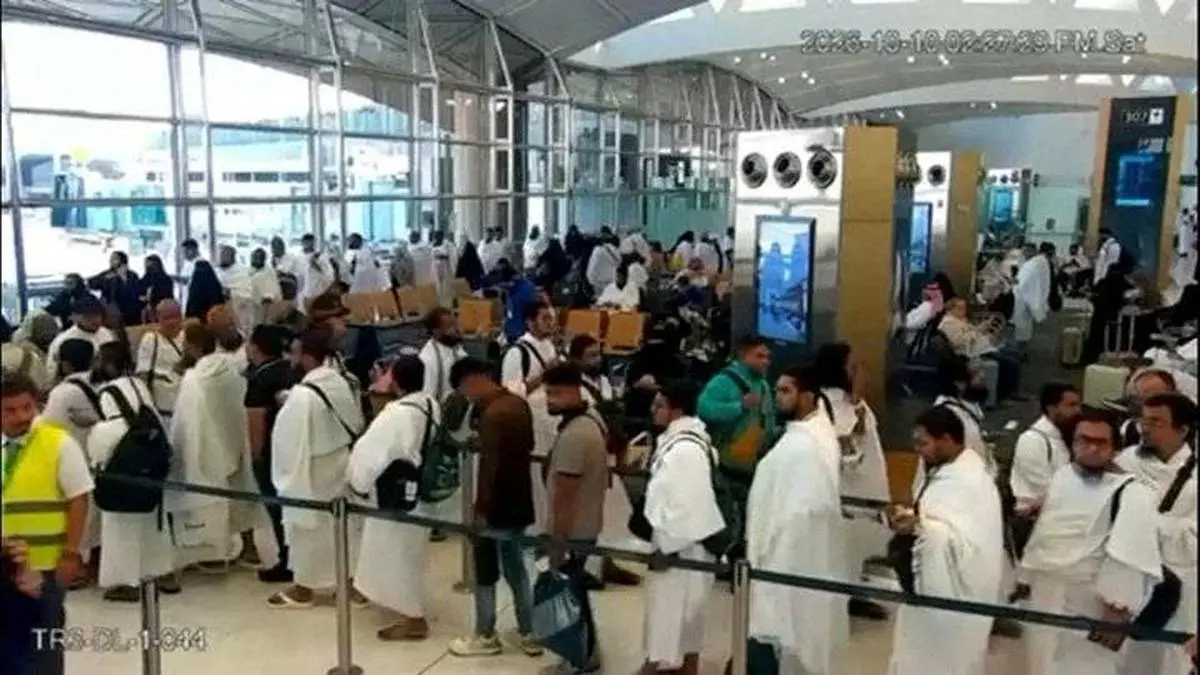
Repeated Houthi attacks shut down King Khalid International Airport in Riyadh for about two weeks before flights resumed on October 25, according to World News CNA and Business Line - Home. The disruption affected Saudi Arabia's main international airport.
One attack this month killed 13 people and injured more than 300, The Hindu reported. The Houthis have carried out waves of strikes on the airport, making its reopening a test of whether civilian flights can continue despite further threats.
How it unfolded
On October 24, Saudi authorities accused the Houthis of launching missiles towards the regions of Mecca and Medina, according to Infobae. The Houthis denied attacking the holy cities and said they had targeted Saudi airports and oil facilities, India Today reported. Those accounts differ over the intended targets.
The same day, Al Jazeera reported that Houthi missiles had also reportedly struck targets in Yemen, including Aden's airport and a coastguard base. The attacks were not confined to Saudi territory.
On October 25, dozens of flights departed King Khalid International Airport for destinations including London, Dubai and Beijing, Business Line - Home reported, citing the airport's website. The Houthis renewed their warning against using the airport, according to Middle East Eye.
Saudi Arabia also reported intercepting missiles and drones over Riyadh and southern parts of the country that day, according to Iran International (English), citing the Saudi-led coalition.
On October 26, the Houthis claimed attacks on Saudi oil pumping stations and Riyadh airport, Reuters reported. The coalition said it intercepted a ballistic missile, according to South China Morning Post. It also said it destroyed Houthi missile launchers in Sanaa, including one used to fire towards Riyadh, Arab News reported.
Interceptions did not prevent all damage on the ground. Al Jazeera reported on October 26 that debris from intercepted Houthi missiles fell on Khamis Mushait.
Where it stands
The latest coverage, dated October 27, describes continuing attacks alongside diplomatic efforts. The Saudi-led coalition said air defences destroyed four Houthi drones heading towards southern Saudi Arabia, according to Middle East Eye. Officials from Saudi Arabia, Turkiye, Pakistan and Iran met in Tehran to de-escalate the conflict, Al Jazeera reported.
The Houthis also claimed a ballistic missile strike on Saudi Arabia's Defence Ministry in Riyadh and an attack targeting Abha airport, according to Times now. Those claims are not independently confirmed in the supplied coverage. Separately, India Today reported that Riyadh confirmed material damage after Houthi missiles hit Saudi Arabia's largest oil refinery.
The airport's reopening therefore marks a resumption of service, not an end to the threat. The Houthis' warning to travellers remains part of the latest reporting on the airport, while Saudi forces continue to announce interceptions.
What to watch
The immediate issue is whether Riyadh's airport can sustain flights under renewed threats. Confirmation of the latest claimed strikes, particularly against the Defence Ministry and Abha airport, would help establish how much damage this round of attacks has caused.
The other development to follow is the Tehran meeting. Al Jazeera reported that the talks were intended to de-escalate the conflict, but the supplied coverage gives no outcome or agreement.
More in World
All →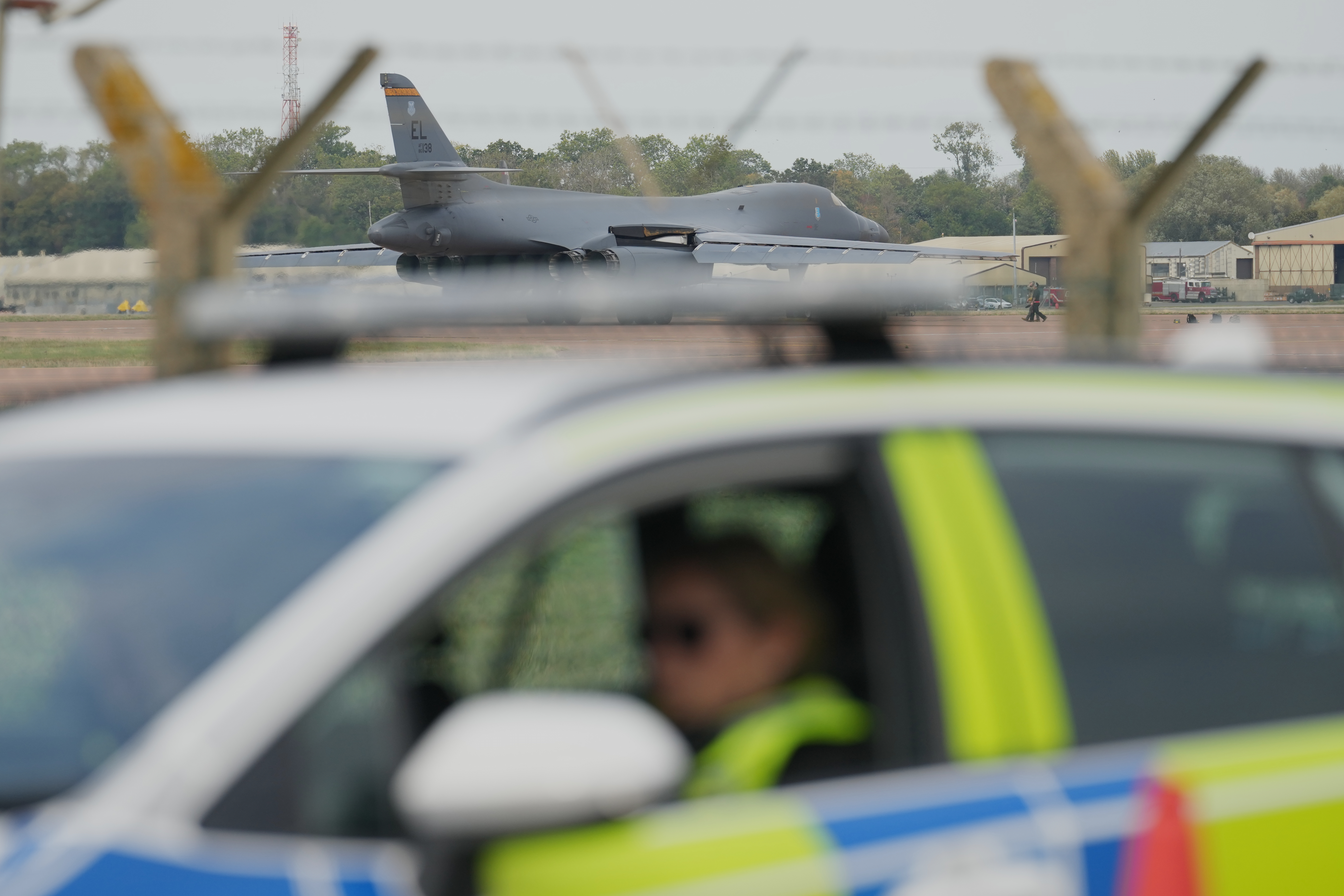
Two men appear in court over alleged Iran-linked RAF Fairford plot
The case has reached court, where allegations of direction by a handler have added detail to national security charges arising from September's incident at the US-operated base.
28 sources · today
Thomas Markle Investigation: Meghan Speaks Out and Leaves UK
Meghan Markle has spoken about the investigation into her father and left the United Kingdom with Prince Harry and their children.
48 sources · over 5 days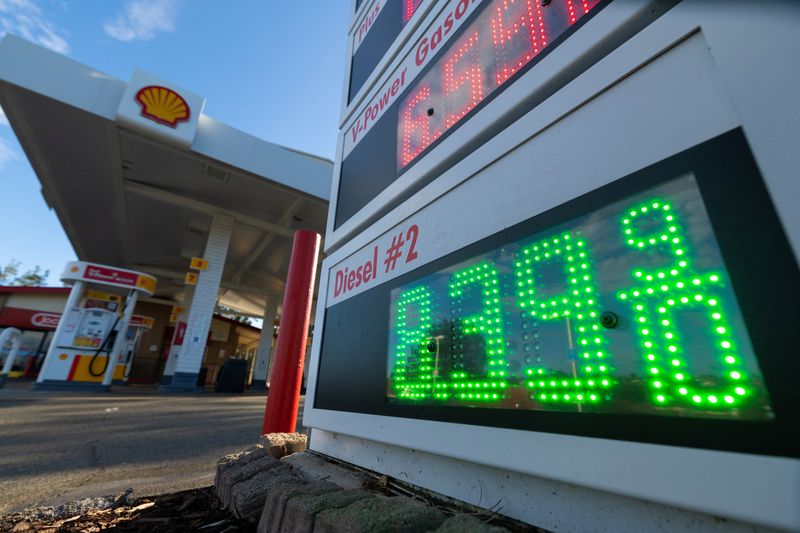
Three Russian Diesel Tankers Head to US as Congress Threatens Companies
The Financial Times reports that three tankers, including two under sanctions, are bound for the United States under the Trump deal, as companies face legal threats from Congress.
30 sources · over 7 days