
India Pushes for Ukraine War Resolution in Talks With Russia and Ukraine
India is stepping up diplomatic efforts to help end the war in Ukraine, with Prime Minister Modi urging peace and Foreign Minister Jaishankar engaging with both Russian and Ukrainian leaders.
By Hushread Stories, from 21 outlets · First published 5 Sept 2026
In brief
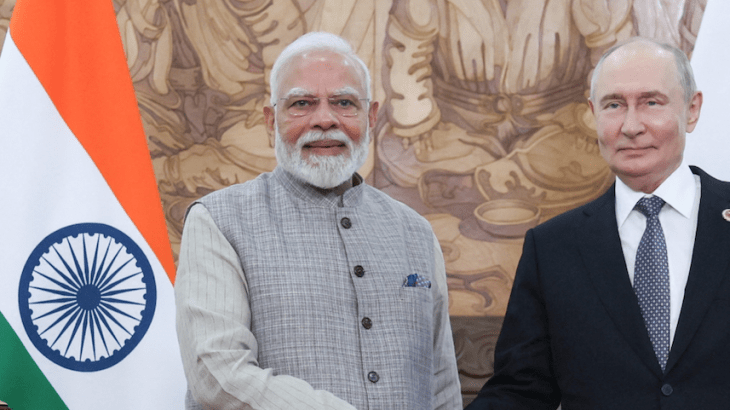
- Prime Minister Narendra Modi met with Russian President Vladimir Putin in Kyrgyzstan and called for an end to the Ukraine war.
- Modi emphasized India's readiness to assist in resolving the conflict and highlighted the importance of diplomatic dialogue over sanctions.
- Following the summit, Indian Foreign Minister S. Jaishankar began a diplomatic visit to Ukraine and Poland to advance peace efforts.
- Jaishankar reiterated India's willingness to help end the war in any manner and met with Ukrainian President Volodymyr Zelenskyy.
- India continues to communicate with both Moscow and Kyiv, maintaining its stance that peace depends on diplomacy, not oil trade.
Timeline · 7 moments
India maintains continuous contact with both Russia and Ukraine
The Hindu ↗Jaishankar defends India's oil trade and stresses diplomacy
Swarajya ↗India signals willingness to mediate and help end the war
Swarajya ↗Jaishankar arrives in Ukraine, meets with officials and Zelenskyy
NDTV India ↗Indian Foreign Minister announces diplomatic visit to Ukraine and Poland
The Hindu ↗India reiterates readiness to support peace efforts in Ukraine
Top World News- News18.com ↗Modi meets Putin in Kyrgyzstan, urges end to Ukraine war
Al Jazeera ↗How it started
The ongoing war in Ukraine has drawn global concern, with countries seeking ways to help end the conflict. India, traditionally a close partner of Russia yet also maintaining relations with Ukraine, has called for peace since the early stages of the war. Prime Minister Narendra Modi has repeatedly stated that the era is not for war and stressed the need for dialogue and diplomacy.
India's position has often focused on humanitarian needs and the wider impact of the conflict. The country has avoided taking sides while urging all parties to seek a peaceful solution. This diplomatic balancing act set the context for Modi's recent push for concrete steps toward ending the war.
How it unfolded
On August 31, 2026, Prime Minister Modi met Russian President Vladimir Putin at the Shanghai Cooperation Organisation summit in Bishkek, Kyrgyzstan. During their talks, Modi told Putin that the war in Ukraine must end for the sake of humanity. He emphasized India's support for any peace initiative and its willingness to do whatever is feasible to end the conflict.
Modi's statements were widely covered, with international attention focusing on his direct call for peace. The meeting also highlighted India's efforts to keep strong ties with Russia while urging an end to the violence in Ukraine.
Shortly after the summit, Indian External Affairs Minister S. Jaishankar announced a diplomatic visit to Ukraine and Poland, set to begin on September 3. The purpose of the trip was to further discussions on how India could contribute to resolving the conflict and to reaffirm India's commitment to peace efforts.
On September 3, Jaishankar arrived in Kyiv, where he met with his Ukrainian counterpart and later with President Volodymyr Zelenskyy. He stressed that India is ready to help end the war in any manner and discussed bilateral cooperation. Jaishankar also addressed concerns about India's continued purchase of Russian oil, arguing that stopping oil trade would not resolve the war.
Throughout these developments, India has maintained open channels with both Russia and Ukraine, positioning itself as a potential mediator while defending its own economic interests.
Where it stands
India is now actively engaged in dialogue with both Moscow and Kyiv, aiming to help facilitate a peaceful resolution to the Ukraine conflict. The Indian government has made it clear that it will support any feasible peace initiatives and remains in continuous touch with both sides.
India's diplomatic efforts have been welcomed by Ukraine, with leaders in Kyiv expressing appreciation for Modi's appeal to move from endless war toward peace. However, there is no immediate sign of a breakthrough, and the situation on the ground remains unchanged.
What to watch
The next steps will depend on how receptive Russia and Ukraine are to India's offers of assistance and whether New Delhi's diplomatic push can gain traction among other international actors. Continued engagement by Indian officials in Kyiv, Moscow, and at international forums will be key to watch in the weeks ahead.
More in Politics
All →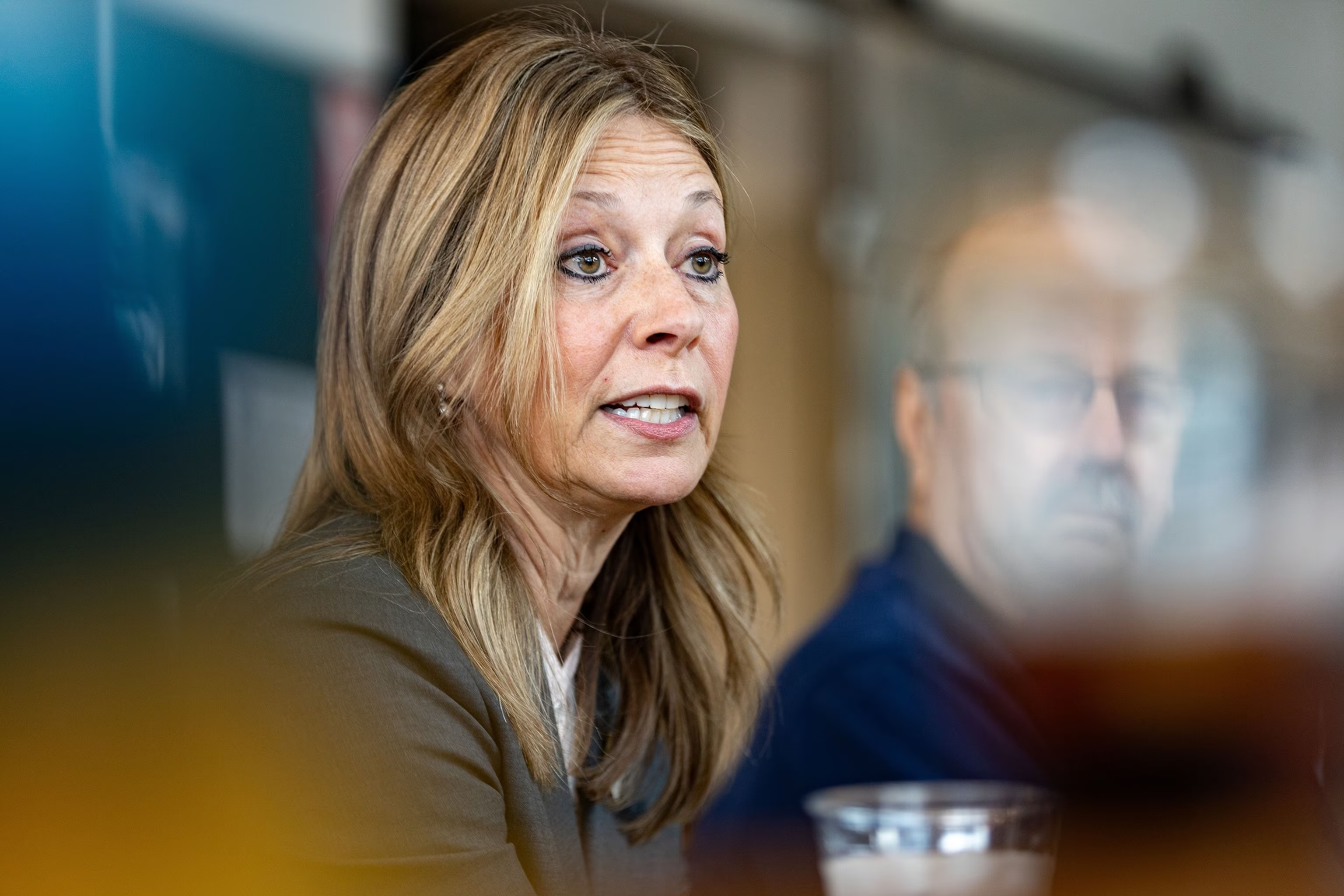
Ramaswamy's Campaign Makes Amy Acton Ad and Plans $4 Million Buy
Vivek Ramaswamy confirmed his campaign produced the attack ad featuring Amy Acton's estranged mother and plans to spend $4 million airing it.
33 sources · over 5 days
Lula and Flávio Bolsonaro Take Brazil's Election Fight From Debate to Court
Days before Brazil's October 25 runoff, the rivals are seeking each other's disqualification after a bitter televised debate, while polls show a closely contested race.
36 sources · over 7 days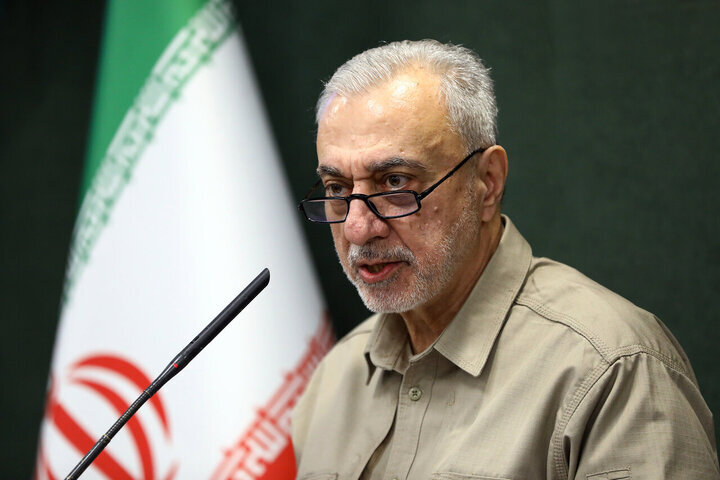
Iran's Parliament Approves Mehrdad Akhlaghi Ketabchi as New Defense Minister
The parliamentary vote confirms a veteran defense industry official as minister after his predecessor's killing, with Akhlaghi already addressing military capabilities and issuing warnings to the United States.
22 sources · over 5 days