
India Rejects UN Concerns Over Mass Detentions at Delhi Protests
The UN rights office has called for the release of arbitrarily detained protesters in Delhi, while India has rejected its intervention as misplaced and unwarranted.
By Hushread Stories, written with AI from 8 outlets · First published 10 Oct 2026
In brief
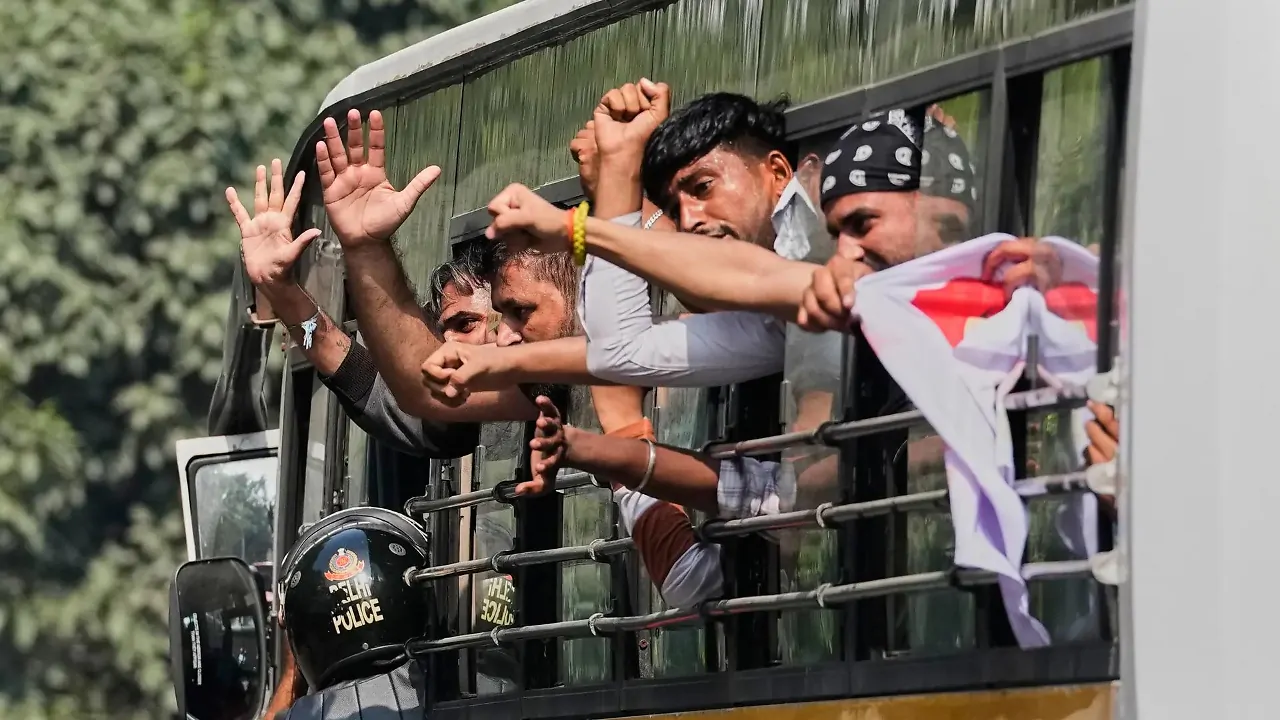
- The UN human rights office expressed concern about reported mass detentions ahead of and during Delhi demonstrations.
- The rights office called for the immediate release of people arbitrarily detained during the protests.
- It said restrictions on peaceful assembly must meet strict tests of necessity and proportionality.
- India rejected the UN rights office remarks, describing its intervention over the Delhi protests as unwarranted.
- India also urged comparable scrutiny of protests elsewhere, calling for impartiality and nonselectivity in the office's work.
Timeline · 4 moments
India rejects OHCHR concerns as misplaced and unwarranted
Times of India ↗UN office urges police restraint and proportionate protest restrictions
Business Line - Home ↗Rights office calls for immediate release of arbitrarily detained
The Hindu ↗UN raises concern over reported mass detentions in Delhi
Times now ↗How it started
Reports of mass detentions ahead of and during large demonstrations in Delhi prompted the United Nations to raise concerns on October 10. Times now described the demonstrations as anti-CEC protests and reported that the UN urged authorities to respect peaceful assembly.
The coverage centres on how police handled protesters. The Hindu reported that the Office of the UN High Commissioner for Human Rights, or OHCHR, issued a statement expressing concern about the detentions and seeking immediate releases.
How it unfolded
On October 10, the UN rights office called for the immediate release of people arbitrarily detained, according to The Hindu. That wording matters: the demand concerned arbitrary detention, rather than a blanket call to release everyone held by police.
The office also set out the standard it said authorities must meet when restricting peaceful protest. Such limits must pass "strict tests of necessity and proportionality," Business Line - Home reported. It urged authorities to ensure police showed "utmost restraint."
India pushed back the same day. Times of India reported that India described the OHCHR concerns as "misplaced" and "unwarranted." India Today also reported India's rejection of the remarks as unwarranted interference.
India broadened its response beyond Delhi. According to Mint, it urged the UN rights office to give comparable attention to large-scale protests elsewhere in the world, citing impartiality and non-selectivity.
Where it stands
The dispute now has two parts: the UN rights office's concerns about detention and peaceful assembly, and India's rejection of its intervention. The Hindu reported the office's demand for immediate releases, while Mint reported India's challenge to the office's approach.
The supplied reports do not establish how many people were detained, how many remain in custody or whether anyone has been released following the UN statement. They also do not provide a detailed official account of the grounds for the detentions.
What to watch
The immediate unresolved issue is whether people arbitrarily detained are released, as the UN rights office requested, according to The Hindu. Further reporting on custody numbers and the grounds for detention would help establish what happened beyond the competing statements.
Police handling of any further demonstrations will also matter. The standard set out by the office concerns both restrictions on peaceful assembly and police restraint, Business Line - Home reported.
More in World
All →
Trump defends Russian diesel deal and calls for Ukraine leadership change
A fuel agreement intended to ease high prices has triggered a clash with Ukraine over Russia's war funding, while analysts doubt it will significantly lower American prices.
79 sources · over 5 days
India Opens Anti-Hijacking Probe Into Flydubai Cockpit Attack on Captain
India's National Investigation Agency has registered a case over the attack on Captain Smit Machchhar, invoking anti-hijacking and counterterrorism laws to investigate a possible larger conspiracy.
8 sources · today
Pope Leo Rejects Death Penalty as Pentagon Plans Livestreamed Execution
Pope Leo XIV has reaffirmed Catholic opposition to capital punishment as the Pentagon prepares to livestream Nidal Malik Hasan's execution, drawing criticism from Church officials.
10 sources · today