
Iran Targets US Sites in Kuwait as Tankers Burn Near Hormuz
Iranian drone attacks on Kuwait and mine strikes on tankers widen the exchange of fire between Tehran and Washington.
By Hushread Stories, from 89 outlets · First published 18 Nov 2026 · Chapter 3 of 3
Earlier: Iran and US Trade Strikes as Kuwait and Bahrain Intercept Drone Attacks
In brief
- Iran's Revolutionary Guard says two supertankers carrying over 4 million barrels of oil struck mines near Hormuz.
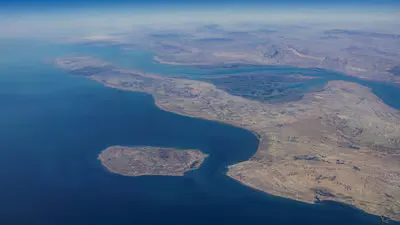
- The US struck an IRGC missile launch site on Qeshm Island on 17 November, citing self-defence after attacks on Bahrain.
- Iran's army says its drones hit US Patriot systems at Kuwait's Ali Al Salem air base early on 18 November.
- Kuwait says it intercepted Iranian aerial attacks for the third time in a week, the first since September.
- Oman and Qatar continue mediation, but Trump has said he may renew strikes as the exchange of fire continues.
Timeline · 12 moments
IRGC reports two supertankers carrying 4 million barrels explode
Tasnim News (English) ↗Report says Netanyahu presses Trump for multi-day Iran strike campaign
World News News ↗Three tankers catch fire after mine strikes in Hormuz, Iran says
IRNA English ↗IRGC warns Bahrain monarchy as drones target US installations
foxnews ↗Kuwait says it repelled first Iranian attack in two months
BBC News - Middle East ↗Iran says it hit US systems at Ali Al Salem
Mehr News (English) ↗Bahrain shoots down fresh wave of Iranian drones
Gulf News ↗Rubio says no imminent threat to the United States
Iran International (English) ↗Iran calls dirty bomb claims a shameful lie
FOXNews.com ↗Trump says US is looking into dirty bomb allegations
UPI ↗Update 19 Nov 2026, 7:35 pm UTC
New coverage from Al-Monitor and a second Al-Monitor listing report that Iran's Revolutionary Guard Corps claimed two supertankers carrying more than 4 million barrels of oil hit mines while transiting the Strait of Hormuz. This adds a specific tanker count and cargo volume to the burning-tanker account already in the piece, though the claim comes from the IRGC and has not been independently confirmed in the coverage so far. The headline and key points still hold, so only the key points are revised to reflect the tanker detail.
Update 19 Nov 2026, 11:30 am UTC
New coverage confirms that Iran's navy says three oil tankers caught fire after striking naval mines in the eastern Strait of Hormuz, as IRNA English reported, while Tasnim News described two supertankers carrying 4 million barrels of oil exploding and burning, a count that does not yet match the three-vessel figure from Iranian army navy statements. The story has also shifted toward the prospect of a wider campaign, with a report that Netanyahu is pressing Trump for a four-to-seven-day strike campaign against Iran. The headline and dek still describe the events accurately, so no correction to them is needed.
Update 19 Nov 2026, 5:07 am UTC
The fighting has spread beyond the initial exchanges. Kuwait intercepted Iranian aerial attacks for the third time in a week, which SBS News reported as the first known Iranian attack on Kuwait since September, and Iran's army says its drones targeted US Patriot systems at Ali Al Salem air base. Middle East Eye and NDTV News report that Iran's navy says three oil tankers caught fire after hitting mines east of the Strait of Hormuz, and Iran's IRGC says passage through the strait must be coordinated with Iranian authorities. Iran International reports US sanctions on Tehran-linked networks alongside Iranian threats against regional oil infrastructure.
Update 18 Nov 2026, 10:57 pm UTC
The new coverage from 18 November shows the exchange has widened. Al Jazeera reported that Kuwait and Bahrain face fresh Iranian attacks after the US strike on Qeshm Island, and Middle East Eye cited a US military official describing the Qeshm target as an IRGC missile launch site. Iran's military said it targeted US assets at a base in Kuwait and shot down an American drone east of the Strait of Hormuz, according to Tehran Times, while Kayhan Life framed the Kuwait firing as a response to the US strike. The published piece's key points are updated to reflect these developments, but the headline still describes the story accurately.
How it started
The latest round began in the Strait of Hormuz. Over several days from mid-November, tankers reported being hit by naval mines. The IRGC claimed that multiple tankers had been struck, and one was reported to have sunk.
Iran and the US also traded accounts of drone shootdowns. Then Iran began targeting a US radar installation and base in Bahrain with drones and missiles, in repeated attacks.
The Associated Press noted that Iran had gone about two months without attacks of this kind before the Bahrain strikes, which makes this a sharp break from a relative quiet.
How it unfolded
On Tuesday 17 November, the US struck back. The National reported that US jets hit an IRGC missile launch site on Qeshm Island in what the US called self-defence, coming after Iran's third attack on Bahrain. The Jerusalem Post cited a US military official saying the strike answered IRGC aggression against US personnel and assets, and Gulf News said the exchange threatens efforts to ease the conflict.
The diplomatic backdrop was awkward. France24 pointed out that the exchange came despite talks between Iran and mediators Oman and Qatar.
A separate scare ran alongside the fighting. US intelligence reports of a possible Iranian dirty bomb plot in Washington surfaced, and UPI reported Trump saying the US was looking into the allegations. Fox News said Iran called the claims a shameful lie within hours of Trump warning that Tehran would face unprecedented consequences. Iran International reported Rubio saying he did not believe there was an imminent threat to the United States.
On the night of 17 November, Kuwait's army said its air defences were countering hostile drone attacks. Arab News carried its statement that any explosions heard were air defence systems at work. Bahrain's Interior Ministry issued an alert about a potential threat, and later an all-clear, according to Al Jazeera.
Early on 18 November, Iran claimed the Kuwait attack as its own. Mehr and IRNA reported that the Iranian army's combat drones targeted US Patriot air defence systems and drone and missile launch platforms at Ali Al Salem air base. Gulf News reported that Bahrain shot down a fresh wave of Iranian drones aimed at a US radar facility on the island.
The Wall Street Journal described the attacks as coming after Iran set a natural gas tanker ablaze in the Strait of Hormuz, and as a quiet US campaign of strikes continues. The Times of Israel added that Saudi Arabia said it intercepted a Houthi cruise missile headed for Riyadh.
Where it stands
The conflict is ongoing. Kuwait and Bahrain say they repelled the latest drone attacks, and the BBC described Kuwait's as the first Iranian attack on it in two months. Iran's own accounts say the Kuwait base was hit, and the two versions have not been independently reconciled in the coverage.
The outlets differ on how to read the escalation. The Jerusalem Post's analysis asks what Tehran's strategy is and whether the risk of a wider regional conflict is growing. Dawn reported Trump warning Iran over the alleged plot against US officials, and Trump has said he may renew strikes.
What to watch
The first question is whether the Oman and Qatar mediation survives this round. Gulf governments, which are now being hit directly, have condemned the widening attacks, according to The National, and their reaction may shape how far either side pushes.
The second is the dirty bomb claim. Trump says the threat is being taken seriously, Rubio sees no imminent danger and Iran flatly denies it, so any new US evidence would change the temperature quickly. Shipping in the Strait of Hormuz, where the mine strikes began, remains the other pressure point.
More in World
All →
Russian national charged in US with spying on Palantir employees over Ukraine support
Federal prosecutors say a Russian man stalked and photographed workers at a Silicon Valley defense tech firm on Moscow's behalf, a case that surfaced as Trump and Putin were due to meet.
20 sources · over 2 days
Ministry of Justice investigates Russell Brand's 'not guilty' message shared from prison by his wife
Downing Street has called the jailed comedian's message appalling, and an urgent inquiry will decide whether he broke prison rules by getting his denial published through his wife.
31 sources · over 4 days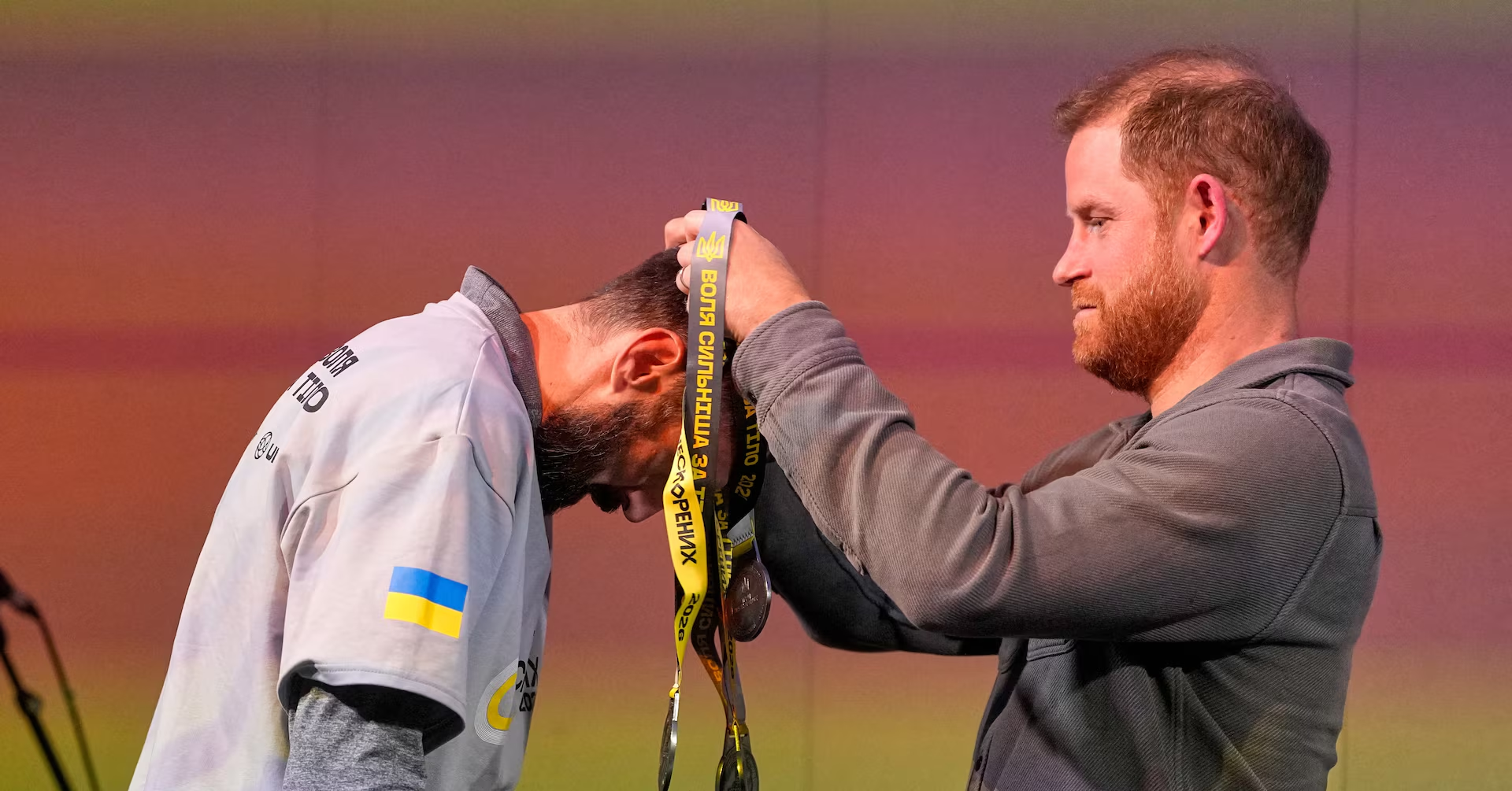
Prince Harry Makes Surprise Visit to Lviv, Tells Wounded Ukrainian Veterans They Will Win
On his fourth trip to Ukraine since 2022, the Duke of Sussex met wounded soldiers and medics and backed a future Invictus Games in the country.
23 sources · over 4 days