
Iran Offers $30,000 Bounty for Killing or Capturing US Soldiers
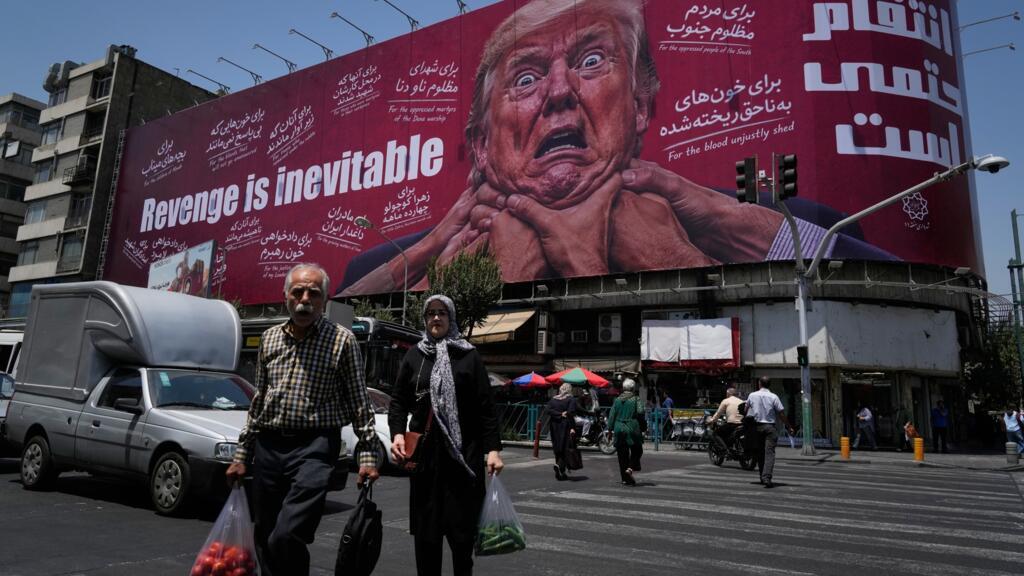
Iran's military has publicly announced a reward scheme for killing or capturing American soldiers, sharply escalating tensions with the US and raising new concerns over regional security and propaganda efforts.
By Hushread Stories, written with AI from 19 outlets · First published 16 Aug 2026
In brief
- Iran's military announced a $30,000 bounty for killing or capturing US soldiers on August 16, 2026.
- The bounty doubles to $60,000 if the act is carried out by a woman, reflecting public demand for resistance.
- The offer has escalated tensions between the US and Iran, impacting already strained relations in the region.
- No confirmed attempts have been reported to claim the bounty, raising questions about its practical implications.
- Observers are monitoring for potential US military responses and the impact on regional security and operations.
Timeline · 7 moments
Iran's $30K bounty seen as strategic propaganda
CBC News ↗Iran's bounty described as a propaganda move
Tehran Times ↗Iran's bounty announcement heightens US-Iran tensions
Times of India ↗Iran offers $30,000 reward for US military personnel
Tehran Times ↗Iran's army offers $30,000 bounty, doubles for women
South China Morning Post ↗Iranian citizens crowdfund rewards for actions against US soldiers
Mehr News (English) ↗Iran announces $30,000 bounty for killing or capturing US soldiers
NDTV News - World-news News ↗How it started
In mid-August 2026, reports began surfacing that Iran's military was planning a financial reward for actions against US military personnel. On August 16, several outlets including NDTV News and Franceinfo reported that the Iranian military had announced a $30,000 bounty for killing or capturing US soldiers. The amount would double if the act was carried out by a woman.
This announcement was presented by Iran as a response to what it described as public demand for stronger resistance against foreign military presence, especially from the United States. Iranian officials, including military leader Amir Hatami, claimed there had been numerous requests from the public to participate in such initiatives.
How it unfolded
On August 16, 2026, international media widely reported the Iranian military's new bounty offer. Outlets such as NDTV News, Mehr News, and the South China Morning Post detailed the plan, including the doubled reward for women and the stated intention to discourage US military involvement in Iran.
Tehran Times and other local sources confirmed that the bounty applied to both killing and capturing US soldiers. Reports consistently cited the $30,000 figure, with the exception of some European outlets converting the amount to local currencies. Franceinfo and others noted a surge in people wanting to contribute financially to the initiative, indicating a coordinated campaign within Iran.
Coverage also mentioned the context of ongoing ceasefire attempts and regional tensions, particularly in the Strait of Hormuz. Several reports, including from India Today and Times of India, highlighted that the announcement came amid recent deaths of US military personnel outside Iran, such as in Jordan.
By August 17, more outlets like Expressen and ABC News confirmed the details, and Tehran Times published follow-up commentary on the propaganda and psychological dimensions of the move. CBC News on August 19 described the bounty as a strategic propaganda effort, questioning the practical impact but noting its significance as a signal of Iran's stance.
Where it stands
The Iranian military's bounty offer remains in place and has been widely publicized within Iran and internationally. The reward scheme has added strain to already tense US-Iran relations. Media coverage has described the move as both a provocation and a propaganda tool, with no confirmed reports so far of actual attempts to claim the bounty.
Western and regional observers are debating the seriousness and potential consequences of the offer. There are concerns about possible escalation, but also skepticism about whether it will lead to direct attacks on US forces.
What to watch
Observers are watching for any real-world attempts to carry out acts incentivized by the bounty, and for any official US or allied military response. Questions remain about how the offer will affect US military operations and regional security, as well as whether Iran will continue or expand similar programs.
More in Politics
All →
Katie Zacharia Fired After Five Days Amid Questions Over Legal Credentials
Katie Zacharia's departure ends a brief tenure dominated by questions about her legal background and first briefing, after President Donald Trump publicly suggested she reconsider the job.
77 sources · over 5 days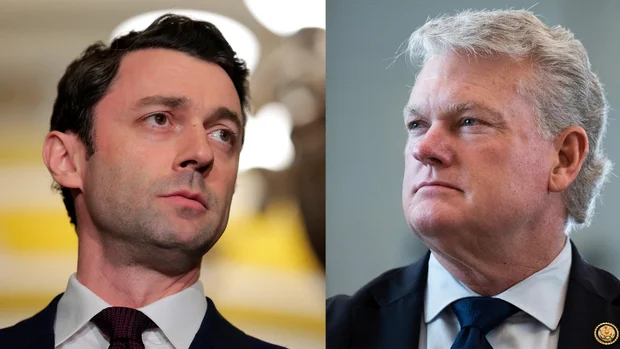
Jon Ossoff Rules Out 2028 Presidential Run in Georgia Senate Debate
The Georgia Democrat pledged to serve a full six-year Senate term if reelected, addressing presidential speculation as his November 3 contest against Republican Mike Collins approaches.
10 sources · over 3 days
Justice Department sues California over voter rolls, warns election workers
The federal government wants roughly 20,000 voters' mail ballots withheld from counting, and has warned California election officials of possible prosecution weeks before the midterms.
15 sources · over 4 days