
Iran rejects nuclear concessions as Hormuz attacks test US diplomatic push
Iran is refusing to surrender enriched nuclear material and threatening wider retaliation, while tanker attacks complicate diplomatic efforts and US President Donald Trump predicts an early end to war.
By Hushread Stories, from 76 outlets · First published 12 Nov 2026 · Chapter 7 of 7
Earlier: Trump holds off Iran strikes as Hormuz tanker attacks threaten diplomacy
In brief
- Iran says its enriched nuclear material will remain inside the country under any agreement with the United States.
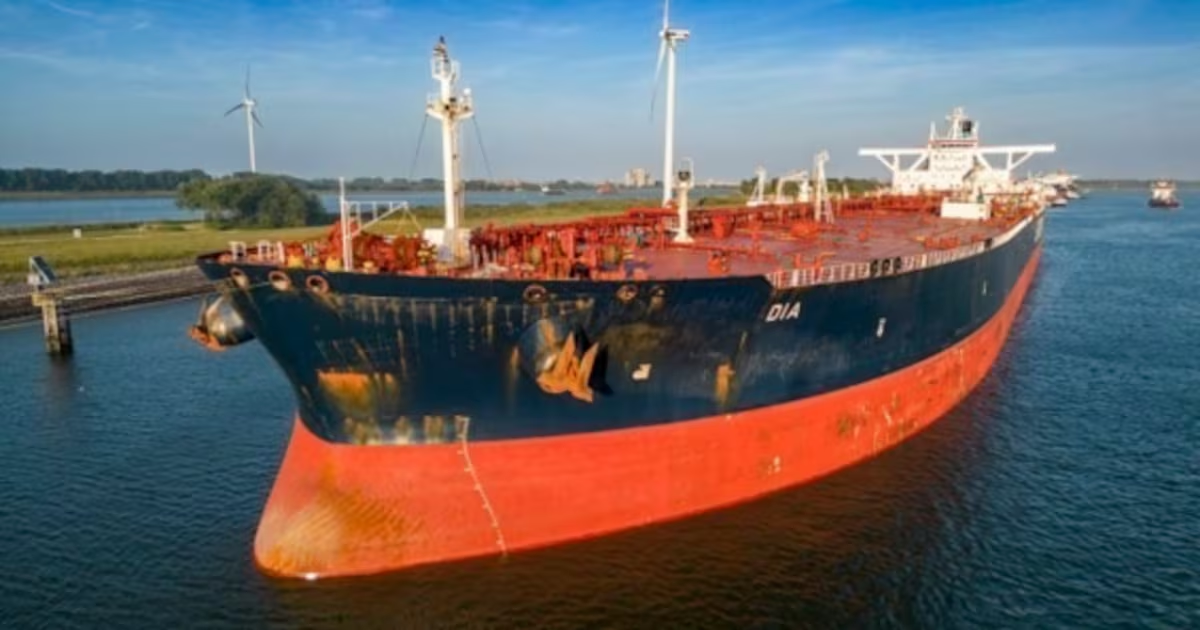
- Iranian forces reported more tankers hitting naval mines in the Strait of Hormuz, with independent confirmation still absent.
- Iranian security chief Mohsen Rezaei threatened US bases in Europe if they help launch attacks against Iran.
- Qatar is pursuing diplomacy while Iran awaits an official American response to seven conditions for reopening Hormuz.
- Trump predicts the war will end soon, but Washington continues economic pressure and Tehran rejects nuclear concessions.
Timeline · 8 moments
Latest report contrasts Trump's optimism with Iranian refusal
Iran International (English) ↗Iranian strikes target navigation infrastructure on Omani island
Jerusalem Post - Iran ↗Rezaei threatens European bases used for attacks on Iran
Arab News ↗Four Indian crew injured in Gulf tanker attack
The National - Iran ↗Iran reiterates refusal to send enriched uranium abroad
RFE/RL - Iran ↗US downplays new attacks but rejects Iran's terms
Middle East Eye ↗Araghchi dismisses speculation about meeting with Vance
Tehran Times ↗IRGC says two tankers caught fire in Hormuz
Mehr News (English) ↗How it started
The latest phase of the US-Iran confrontation combines a dispute over nuclear material with a struggle over shipping through the Strait of Hormuz. Iran has tied reopening the waterway to American acceptance of its conditions, while Washington has continued economic pressure, according to Dawn.
Diplomacy has not stopped. Dawn reported that Qatar's prime minister joined G7 discussions after meeting US President Donald Trump. But the two sides remain far apart: Middle East Eye reported on November 10 that the US saw no need for new attacks while calling Iran's peace terms "absurd".
How it unfolded
On November 10, Iran's Islamic Revolution Guards Corps Navy said two tankers using an unauthorized route through Hormuz had suffered explosions and caught fire, according to Mehr News. Later coverage from IRNA carried its claim that a third tanker had struck a naval mine. These were Iranian military accounts, not independently established findings in the supplied reports.
Diplomatic signals that day were mixed. Iranian Foreign Minister Abbas Araghchi dismissed speculation about a meeting between US Vice President JD Vance and Iran's secretary of the Supreme National Security Council, Tehran Times reported. Separately, Araghchi argued that neither military action nor intensified sanctions would resolve the conflict, according to NDTV.
On November 11, the IRGC Navy reported that two more tankers had hit naval mines and caught fire, according to IRNA. The National also reported that four Indian crew members were injured in an attack on a Liberia-flagged oil tanker in the Gulf. The supplied coverage does not establish whether that attack was one of the mine incidents.
Iran also hardened its negotiating position. RFE/RL reported on November 11 that the secretary of Iran's Supreme National Security Council reiterated that enriched uranium would not be transferred abroad under a deal. Al Jazeera reported that Iran's parliament speaker and top negotiator, Ghalibaf, was awaiting an official US response to seven conditions and said Hormuz would never return to its pre-war status.
The threats extended beyond the Gulf. Iranian security chief Mohsen Rezaei said US bases in Europe could be attacked if used to launch strikes on Iran, Arab News reported on November 11. The same day, The Jerusalem Post reported Iranian strikes on maritime navigation infrastructure on Oman's Didamar island, while saying the damage and consequences for commercial shipping remained unclear.
Oil markets reflected the competing signals. Gulf News reported that Brent briefly fell below $90 as traders anticipated easing tensions. Euronews then reported a rebound on November 11 as investors monitored shipping attacks.
Where it stands
The latest coverage shows no settled agreement. In a report published November 12, Iran International said Trump had predicted on Wednesday that the war would end soon, even as Tehran rejected nuclear concessions and threatened wider retaliation. Washington was also intensifying economic pressure.
Hormuz remains a central obstacle. Major General Mohsen Rezaei said Washington had not provided a clear response to Iran's seven conditions for reopening the strait, according to ISNA. That leaves the diplomatic opening alongside continued shipping dangers, rather than an established return to normal traffic.
What to watch
The immediate diplomatic test is an official American response to Iran's seven conditions. Al Jazeera reported that Ghalibaf was still waiting for one. Whether talks can address Iran's refusal to transfer enriched material abroad is another unresolved issue, following the position reported by RFE/RL.
At sea, clearer information is needed on the reported tanker explosions and the damage to navigation infrastructure on Didamar island. The Jerusalem Post said the impact on commercial shipping was unclear. Any renewed US strikes would also test Rezaei's conditional threat against bases in Europe, reported by Arab News.
More in World
All →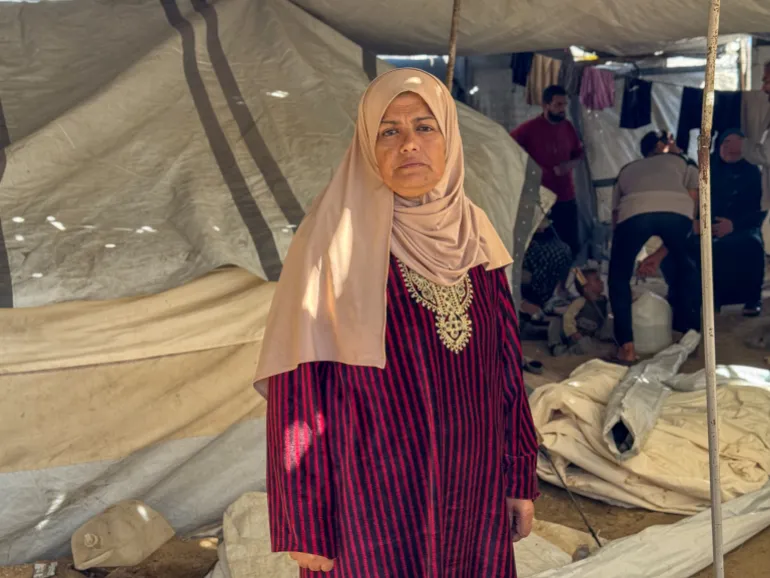
Gaza floods destroy tent shelters as families await blocked aid
Deadly weekend storms have left displaced Palestinians in soaked shelters, while aid agencies say 150,000 replacement tents await Israeli approval to enter Gaza.
26 sources · over 7 days
Israeli strike on Gaza's Nasser Hospital kills at least six
Rescuers reported at least six deaths and around 20 injuries at the hospital in Khan Younis, with the surgery department damaged despite a ceasefire agreed in 2025.
11 sources · today
Bomb threats force evacuations at more than 300 Italian schools
Threatening emails disrupted schools across Italy on Wednesday, sending students and staff out of classrooms as similar alerts prompted evacuations elsewhere in Europe.
50 sources · today