
Iran reports three UAE tankers hit as Hormuz standoff deepens
Iran is tying Hormuz reopening to US concessions while reporting tanker strikes, but recovering Gulf oil exports complicate its claims of control over the waterway.
By Hushread Stories, written with AI from 12 outlets · First published 6 Oct 2026 · Chapter 2 of 2
Earlier: Iran reviews US counter-proposal as it sets conditions for reopening Hormuz
In brief
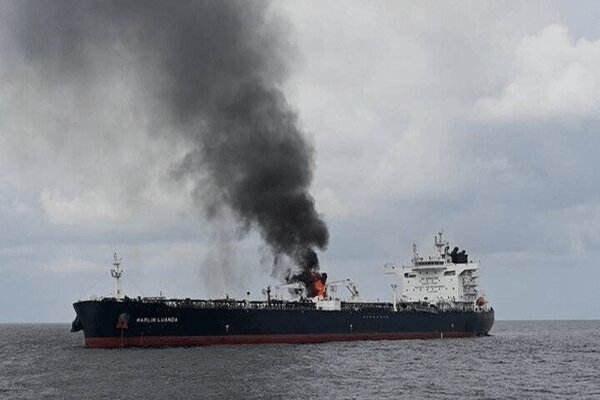
- Iranian authorities say three Emirati tankers struck in Hormuz had already been placed on a noncompliance list.
- Iran says it has received an official US response to its latest proposal for ending the war.
- Tehran says the strait will remain closed until Washington meets conditions, with additional negotiating points still pending.
- A tanker off Oman was turned back by the IRGC, according to a maritime incident report.
- Gulf crude exports recovered to prewar levels in September, helped by alternative routes and transfers between ships.
Timeline · 7 moments
Tanker off Oman turned back by the IRGC
Middle East Eye ↗Gulf crude exports recover using routes bypassing Hormuz
Deutsche Welle ↗Iran plans additional points on US counter-proposal
Tehran Times ↗Iran ties Hormuz reopening to US meeting conditions
Al Jazeera ↗Report says IRGC hit seven tankers in five days
chinadailyhk ↗Iran says three Emirati tankers were on noncompliance list
Mehr News (English) ↗Iran reports receiving US response to war proposal
AP News ↗How it started
The latest escalation combines reported attacks on Emirati tankers with negotiations over ending the war and reopening the Strait of Hormuz. On October 1, AP News reported that Iran indicated it had received an official US response to its latest offer.
The following day, Iran's Persian Gulf Strait Authority said three Emirati tankers struck in the waterway in recent days were already on its non-compliance list, according to Mehr News. The supplied coverage does not identify the vessels or describe their damage. The explanation for why they were struck comes from Iranian authorities.
How it unfolded
On October 1, Iranian President Masoud Pezeshkian said an agreement must be based on a win-win strategy, Business Line reported. That statement accompanied reports that the US response had reached Tehran.
The October 2 announcement about the three Emirati tankers was followed on October 3 by a broader report. China Daily HK reported that Iran's IRGC had hit seven oil tankers described as violating rules in five days. The supplied summaries do not establish whether the three Emirati vessels were included in that total.
On October 4, Iran said Hormuz would remain closed until the US met its conditions, according to Al Jazeera. The outlet reported that Tehran presented reopening the strait as its main goal, while Washington continued to focus on nuclear talks.
Also on October 4, Tehran Times reported that Iran would convey additional points on the US counter-proposal after completing its assessments. The report described Tehran's proposal as a seven-day plan for reopening Hormuz.
On October 5, Middle East Eye reported that a tanker transiting Hormuz off Oman had been turned back by the IRGC, citing an incident report from UKMTO. That same day, Deutsche Welle reported that Gulf crude exports had recovered to prewar levels in September, with producers increasingly using alternative routes and ship-to-ship transfers to bypass Hormuz.
Where it stands
Iran continues to assert control over the strait. On October 5, Euronews reported that Iran's military insisted it retained full control, while the foreign minister said the waterway could reopen within seven days if Tehran's conditions were met.
The accounts of access remain in tension. Tehran Times reported that the US president insisted Hormuz was open, while Iran says it remains closed. Meanwhile, NYT World News reported that more oil was moving through the strait. These reports do not establish unrestricted passage or resolve the competing claims.
The recovery in regional exports also does not mean Iran's exports have recovered. According to Deutsche Welle, Iranian exports remained below their prewar average even as Gulf producers restored overall flows.
What to watch
The clearest pending step is Iran's promised delivery of additional points on the US counter-proposal, reported by Tehran Times. The supplied coverage does not give a deadline for that response or establish that the two sides have agreed on reopening terms.
Further shipping incident reports will help show whether passage is becoming more reliable. The tanker reversal reported by Middle East Eye demonstrates that rising oil flows and continued interference with individual vessels can occur at the same time.
More in World
All →
AfD poised to win first state parliament presidency in Sachsen-Anhalt
Tobias Rausch is expected to become the AfD's first state parliament president, with BSW votes testing relations ahead of the party's December bid to lead the government.
8 sources · over 2 days
UN Reports Rising Ukraine Civilian Casualties as Drones Strike Moscow
The UN recorded 15,280 civilians killed or injured in Ukraine in eight months, while a major Ukrainian drone attack on Moscow brought further deaths and conflicting casualty reports.
10 sources · over 3 days
Cornell Faces Protests Over Handling of Alleged Fraternity Gang Rape
Reports about Cornell's disciplinary response have intensified scrutiny of a 2024 alleged assault, as the complainant's lawyer reports threats and students demand accountability.
18 sources · over 2 days