
Iranian Drones Strike Kurdish Prime Minister's Office and Intelligence Chief's Home in Iraq
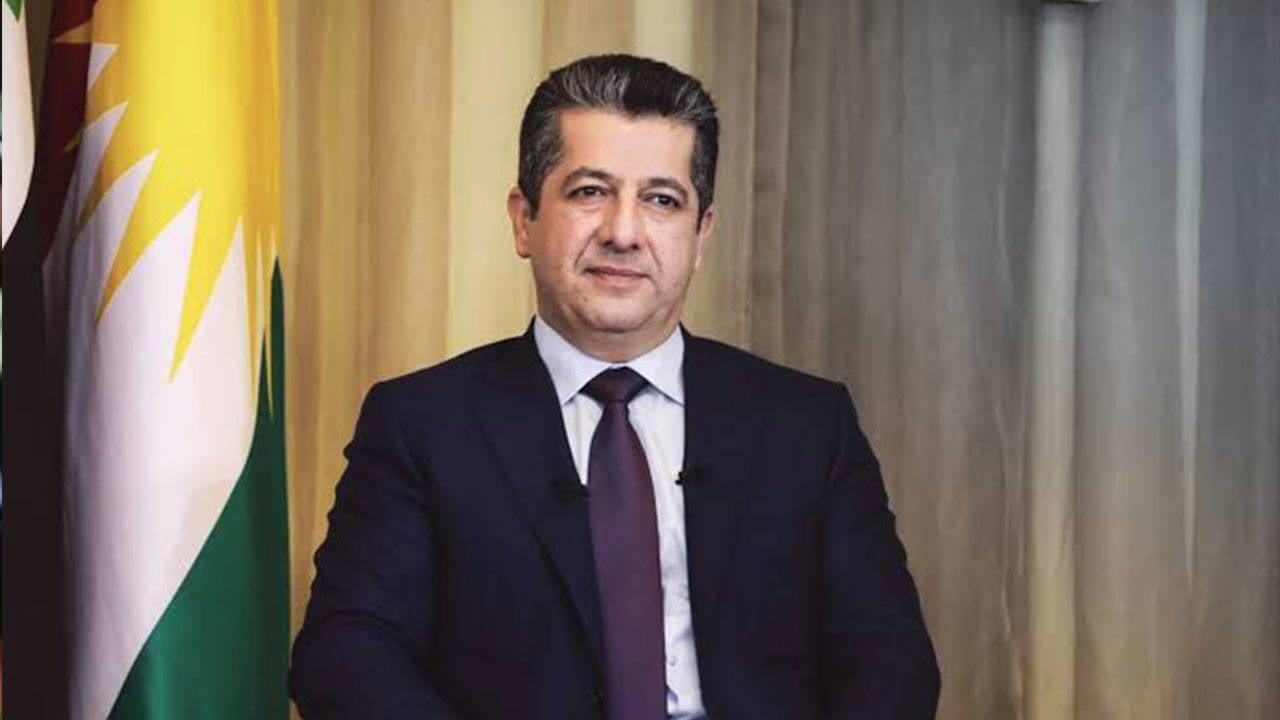
On August 17, 2026, Iranian drones attacked both the office of Kurdish Prime Minister Masrour Barzani and the home of the regional intelligence chief in Erbil, raising tensions between Iran and the Kurdistan Regional Government.
By Hushread Stories, written with AI from 11 outlets · First published 17 Aug 2026
In brief
- On August 17, 2026, Iranian drones attacked the Kurdish Prime Minister's office and intelligence chief's home in Erbil.
- No casualties were reported, but the attack has heightened tensions between Iran and the Kurdistan Regional Government.
- The Kurdistan Regional Government condemned the attack, calling it a direct threat to regional security and stability.
- Authorities are investigating the drone attack's origins and intent, while security forces remain on high alert.
- International observers are monitoring the situation for potential responses from Iran and the Kurdish government.
Timeline · 4 moments
Iranian drones target Kurdish PM's office in Iraq, no casualties reported
Diken ↗Kurdish PM Barzani confirms Iranian drone attack as major escalation
Proto Thema ↗Drones from Iran attack Kurdistan PM's office in Iraq
RSS di - ANSA.it ↗Iranian drones strike Kurdish PM's office and intelligence chief's home
BirGün ↗How it started
Tensions between Iran and the Kurdish region of Iraq have simmered for years, often flaring over security concerns and accusations of cross-border threats. On August 17, 2026, these tensions escalated dramatically when news broke that Iranian drones had crossed into Iraqi airspace.
Multiple outlets, including BirGün and ANSA, reported that Iranian drones targeted high-profile sites in Erbil, the capital of the Kurdistan Regional Government. The main targets were the office of Prime Minister Masrour Barzani and the residence of the region's intelligence chief. Kurdish officials quickly confirmed the attack, linking it to ongoing disputes with Iran over security and influence in the region.
How the attack unfolded
On August 17, 2026, reports surfaced from several news organizations that two armed drones, allegedly launched from Iran, struck the Kurdish Prime Minister's office and the intelligence chief's residence in Erbil's Salahaddin district. Early accounts from BBC Türkçe and DW Türkçe described the attack as a significant escalation.
BirGün specified that no casualties were reported. Most outlets, including Al Jazeera and Diken, echoed this, emphasizing the absence of fatalities or injuries, though BBC Türkçe initially reported an injury to Prime Minister Barzani, a detail not widely corroborated elsewhere.
The Kurdistan Regional Government quickly denounced the attack. Prime Minister Barzani described it as a direct threat to the region's security and stability, according to Proto Thema and Trend News Agency. Kurdish officials also denied accusations that their territory was being used to threaten neighboring countries, a point highlighted by Al Jazeera.
Iran has not officially confirmed responsibility for the attack, but several outlets, including TABNAK and Radiofarda.com, cited regional sources attributing the drones to Iran. The incident was widely interpreted as a shift toward a more aggressive posture by Iran in its dealings with Kurdish authorities.
Current situation
At present, there are no reported casualties from the drone attack. The Kurdistan Regional Government and its security forces remain on alert, investigating the incident and reviewing security protocols.
The attack has heightened concerns about future escalations and the stability of the already tense relationship between Iran and Iraq's Kurdish region. Kurdish leaders have reiterated their commitment to protecting citizens and maintaining regional security.
What comes next
Authorities in the Kurdistan Region are continuing their investigation into the origins and intent of the drone attack. Regional and international observers are watching closely for any response from Iran, as well as potential retaliatory actions or new security measures by the Kurdish government.
Questions also remain about how Baghdad and international partners will address this clear breach of Iraqi sovereignty and what steps may be taken to prevent similar incidents in the future.
More in World
All →
US Military Weighs Massive Bomb for Possible Strikes on Iran
Reported strike plans include Iranian energy and nuclear infrastructure, as President Donald Trump faces pressure to end the war, but the coverage establishes no decision to use the weapon.
36 sources · over 4 days
Muskan Rastogi and Sahil Shukla Sentenced to Death in Meerut
The blue drum murder verdict has brought death sentences for both defendants, while subsequent reporting concerns a separate Meerut killing involving a staged snakebite.
9 sources · over 4 days
Rubio Plans India Energy Talks and Visit to Reliance Refinery
A confirmed October 20 meeting with S. Jaishankar puts diplomacy alongside refinery and business discussions, as rising US diesel prices sharpen attention on energy cooperation.
18 sources · over 5 days