
Death Toll in Southern Lebanon Rises to 13 After Israeli Strikes
At least 11 people, including infants and paramedics, have been killed in intensified Israeli airstrikes in southern Lebanon despite a ceasefire framework.
By Hushread Stories, written with AI from 26 outlets · First published 6 Sept 2026
In brief
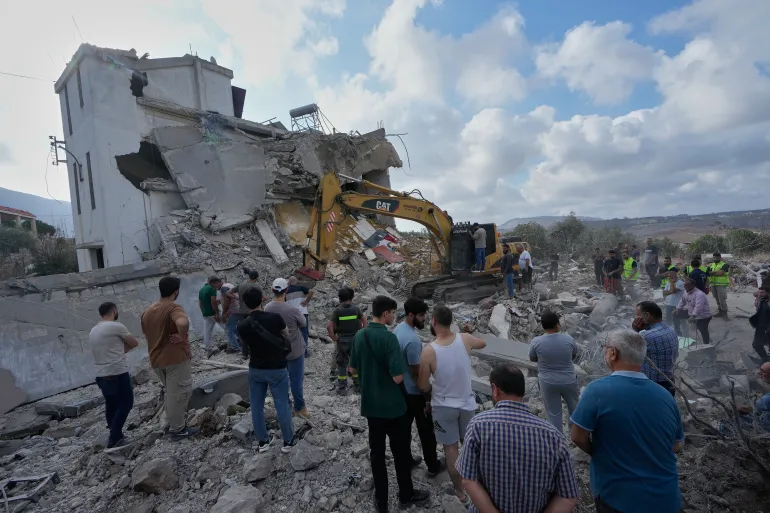
- Israeli airstrikes in southern Lebanon have killed at least 13 people in recent days, including children and two medics.
- Strikes have destroyed residential areas and targeted civilian infrastructure, including hospitals and government offices.
- Lebanese authorities report nearly 9,000 killed and over 30,000 injured in Israeli attacks since October 2023.
- Israel says the latest strikes are in response to drone attacks by Hezbollah targeting Israeli territory.
- The Lebanese president has renewed calls for US and international intervention as attacks continue despite a ceasefire framework.
Timeline · 12 moments
Lebanese health ministry says 13 killed in latest wave
Japan Times ↗Israeli strikes across southern Lebanon kill at least 11
CBC Top Stories ↗Israeli army orders evacuation in Deir Zahrani ahead of strikes
© Fadel Itani, AFP ↗Israeli strikes kill 11 in Kfar Rumman, including infants
Middle East Eye ↗Lebanon's president urges US to intervene after deadly strikes
South China Morning Post ↗Lebanese health ministry reports nearly 9,000 killed since October 2023
Middle East Eye ↗Hospital targeted in Nabatieh al-Fawqa during intensified strikes
Mehr News (English) ↗Israeli strikes kill four and injure 20 in southern Lebanon
Al Jazeera ↗Israeli raids hit areas near Sour, southern Lebanon
Middle East Eye ↗Israeli military targets Hezbollah infrastructure after attempted attack
Euronews ↗Update 9 Sept 2026, 8:39 am UTC
The death toll from Israeli strikes in southern Lebanon has risen, with Lebanese authorities and multiple outlets now reporting between 11 and 13 killed, including children and medics. The strikes have intensified, hitting several towns and destroying more civilian infrastructure, while Hezbollah casualties and civilian funerals have been reported.
Update 7 Sept 2026, 9:10 am UTC
The death toll from Israeli airstrikes in southern Lebanon has risen sharply, with at least 11 people killed in recent attacks, including two infants and two paramedics. Israeli forces have ordered evacuations in Deir Zahrani ahead of further strikes, and Lebanon says these renewed attacks threaten the US-brokered ceasefire.
Update 6 Sept 2026, 5:25 pm UTC
The reported death toll from Israeli strikes in southern Lebanon has risen, with recent coverage indicating at least seven killed, including two women. Lebanese President Joseph Aoun has appealed to the US and international community to intervene, citing violations of the ceasefire agreement.
How it started
Tensions between Israel and Hezbollah in southern Lebanon have been simmering for years, often resulting in sporadic cross-border violence. The situation escalated significantly after October 2023, when Israeli attacks in Lebanon began to increase in frequency and intensity. According to Lebanese health authorities, thousands of people have been killed and tens of thousands wounded since that time.
The latest escalation follows a period of relative calm marked by a ceasefire agreement. However, both sides accuse each other of violating the terms, with drone launches from Hezbollah and targeted Israeli strikes reigniting hostilities.
How it unfolded
On September 4, Israeli airstrikes hit the town of Kfar Reman in southern Lebanon, resulting in the deaths of two people. Lebanese health officials reported at least three fatalities and over twenty injuries from strikes across southern and eastern Lebanon on the same day.
The next day, the violence continued. Israeli forces launched raids near the city of Sour, targeting multiple sites in the area. Health authorities updated the casualty figures, confirming three deaths and 23 injuries, including civilians.
By September 6, the strikes intensified further. Multiple outlets reported that Israeli air attacks killed at least four people and injured 20 more, with some strikes reportedly targeting a hospital in Nabatieh al-Fawqa. The Israeli military stated these operations were in response to Hezbollah's attempted drone attacks on Israeli troops.
Reports from the Lebanese health ministry indicate that since October 2023, nearly 9,000 people have been killed and over 30,000 injured in Israeli attacks across Lebanon. The recent wave of strikes is among the deadliest since the earlier ceasefire.
Where it stands
As of now, southern Lebanon remains under heavy bombardment, with the death toll from the latest strikes reaching at least four. Civilian infrastructure, including hospitals, has been damaged, and health services are struggling to cope with the influx of casualties.
Tensions are at a peak, with both Israeli forces and Hezbollah signaling readiness for further confrontation. Residents in affected areas have been warned to remain vigilant, as additional strikes cannot be ruled out.
What to watch
The situation is fluid, with the risk of further escalation if either side launches new attacks. International observers are closely monitoring for any signs of renewed negotiations or a possible return to a ceasefire. The humanitarian impact on civilians, especially in southern Lebanon, will remain a key concern in the days ahead.
More in World
All →
European Parliament awards Sakharov Prize to ICC after US sanctions
The award puts the European Parliament behind the International Criminal Court as US sanctions place the institution and its work under pressure.
9 sources · today
Iran's IRGC Claims Seven Vessels Hit in Gulf and Hormuz
The IRGC Navy said four vessels involved in oil transfers were hit in the northern Persian Gulf and three others struck mines in the Strait of Hormuz.
21 sources · over 4 days
Russia arrests German accused of serving as mercenary for Ukraine
Russia's detention of a German citizen was followed by a separate espionage arrest in Germany, with authorities alleging military activity or intelligence gathering in both cases.
8 sources · over 2 days