
Italy prepares troop deployment after living cost protests turn violent
Milan shops have closed over fears of further looting as the government prepares extra troops and new security measures after two days of clashes.
By Hushread Stories, written with AI from 31 outlets · First published 20 Oct 2026 · Chapter 2 of 2
Earlier: Italy Protests Bring Fresh Violence to Milan After Student Marches
In brief
- Protests over rising living costs, low wages and poor public services brought demonstrators onto streets across Italy.
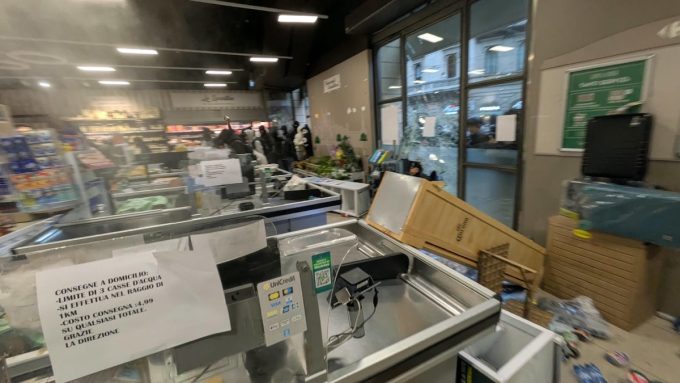
- Milan suffered two consecutive days of clashes, with shops looted and windows smashed around the city centre.
- Reports distinguish roughly 50 arrests from hundreds taken to police stations, leaving the precise totals unclear.
- The government is preparing to send 500 additional soldiers to Milan following the weekend violence.
- Proposed security measures include extending preventive detention to 24 hours, while a union has called a November strike.
Timeline · 7 moments
Government prepares troop deployment and further security measures
Fanpage ↗Reporting distinguishes arrests from hundreds of identity checks
The Local ↗Luxury shops shut over fears of further damage
TGcom24 ↗Meloni calls Monday security meeting after street clashes
TGcom24 ↗New disorder brings smashed windows to Via Torino
Il Post ↗Meloni demands condemnation as opposition rejects the violence
La Repubblica ↗Living cost demonstration turns violent in central Milan
Il Post ↗How it started
The demonstrations grew out of anger over living costs and low wages. Il Post reported that the protest called "Italia in piazza" was organised online across several cities. Poor public services were another grievance, according to the Times of India.
The movement also targeted the right-wing coalition government led by Giorgia Meloni, according to Anadolu Ajansı. Clashes broke out between police and some participants, rather than the demonstrations remaining peaceful.
How it unfolded
On October 17, Milan's Piazza del Duomo became a focus of the violence. Fanpage reported tables and explosive devices being thrown, and police charging in the Galleria Vittorio Emanuele II. ANSA also reported clashes in Turin and Bologna.
The violence prompted a political confrontation. Prime Minister Giorgia Meloni demanded that opponents condemn it without ambiguity, while the Democratic Party rejected the violence, according to La Repubblica.
On October 18, groups returned to central Milan. Il Post reported that dozens of young people smashed shop windows and bus shelters in Via Torino. La Repubblica reported looting and further explosive devices in Piazza del Duomo.
Police used tear gas and water cannons during the unrest, according to News18. Meloni called a security meeting for October 19 to address the violence, TGcom24 reported.
By October 19, the disruption had spread to Milan's luxury shopping district. Stores on Via Montenapoleone shut their shutters for fear of further damage, according to TGcom24. ANSA reported damage exceeding one million euros.
Where it stands
The government is preparing to deploy 500 additional soldiers to Milan. Fanpage reported the deployment on October 20 alongside preparations for another security decree. The Japan Times also described troop deployment preparations, with luxury shops closing over fears of renewed unrest.
The detention figures need care. France24 reported at least 200 arrests, mostly involving minors. But The Local distinguished almost 50 arrests from hundreds of people taken to police stations for identity checks. Those accounts do not establish a single, consistent arrest total.
The proposed response goes beyond additional personnel. According to Fanpage, measures being prepared include extending preventive detention to 24 hours, new offences and arrest provisions for devastation during demonstrations. The coverage does not establish that the full package has become law.
What to watch
The immediate next steps are the troop deployment and the final text and approval status of the security decree. Adnkronos described the extra soldiers as a measure under consideration on October 19, while Fanpage reported the deployment the following day.
The economic grievances remain a separate source of pressure. Deutsche Welle reported that a major union had called a general strike for November 20, setting another date for mobilisation beyond the weekend's street clashes.
More in World
All →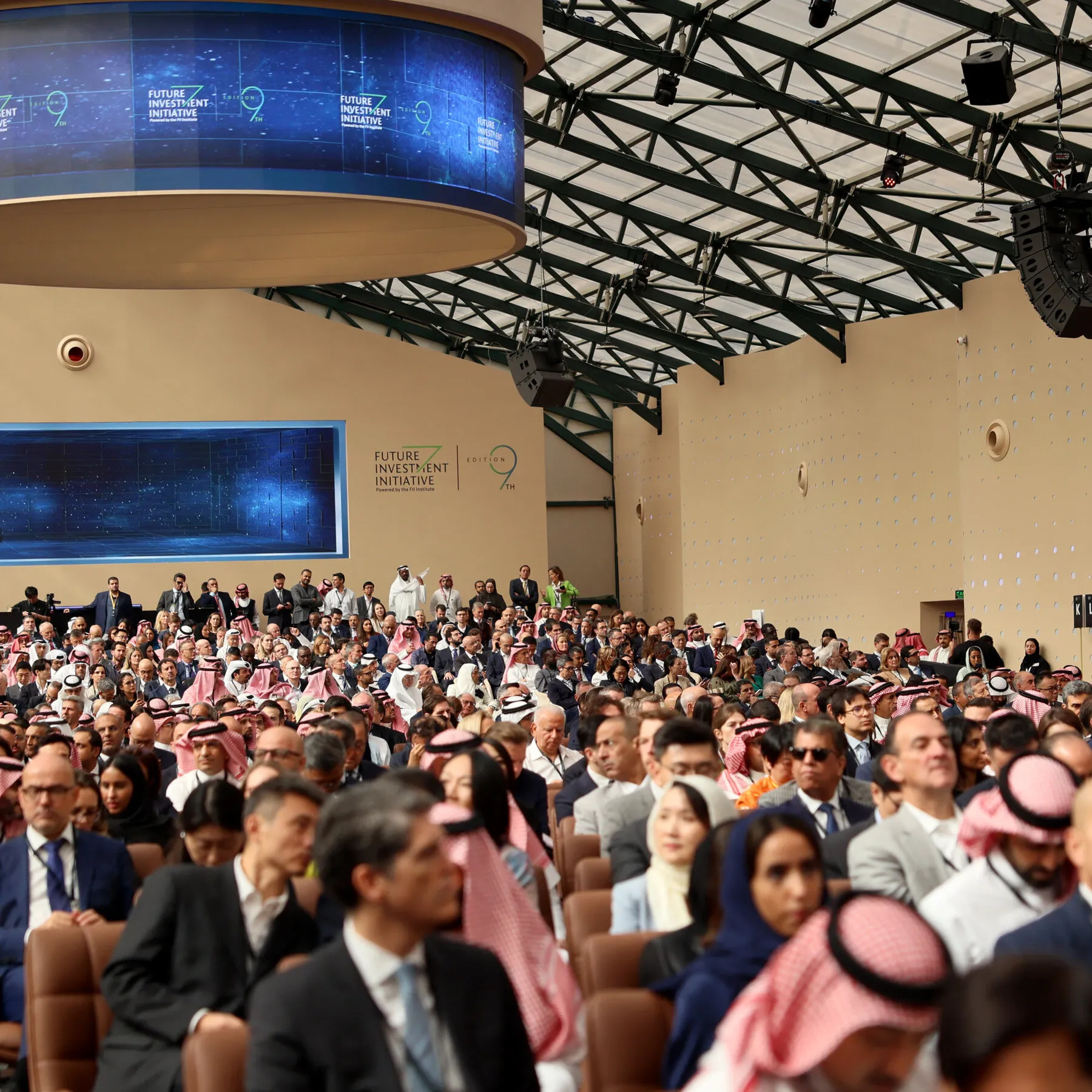
Saudi Arabia postpones Future Investment Initiative until 2027 after Houthi attacks
Saudi Arabia postponed its flagship Riyadh investment conference until next year as Houthi attacks disrupted travel and raised security concerns.
19 sources · today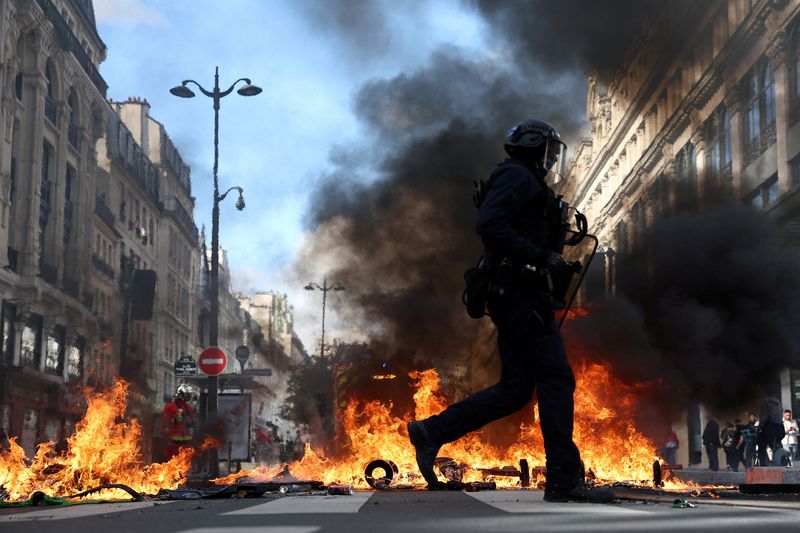
French Protests Leave Widespread Damage, With More Than 2,500 Arrested
Macron rejected Interior Minister Laurent Nuñez's resignation offer as authorities responded to weekend violence with calls for limited local curfews.
86 sources · over 11 days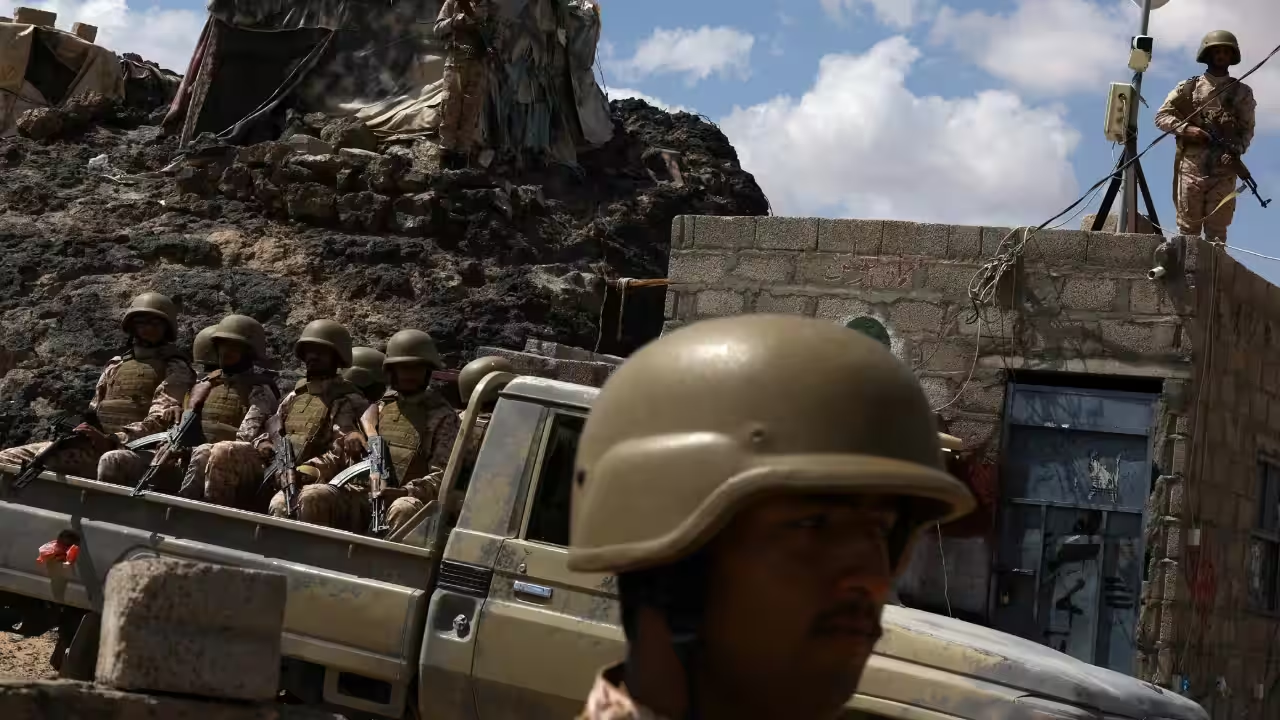
Houthi Missile Strike Kills 53 at Shabwa Camp, Injures More Than 200
Officials said the October 19 attack on a military training camp in Shabwa killed 53 people and injured more than 200.
43 sources · over 9 days