
Japan's Bond Yields Hit 30-Year High as Inflation and Oil Prices Surge
Japan's government borrowing costs have soared to levels not seen since the 1990s, driven by global inflation fears, rising oil prices, and pressure for monetary tightening after pivotal remarks from US officials.
By Hushread Stories, written with AI from 28 outlets · First published 31 Aug 2026
In brief
- Japan's 10-year government bond yield has reached 3 percent, the highest level in 30 years.
- The weak yen and rising borrowing costs are pressuring Japanese policymakers to consider interest rate hikes.
- US Treasury Secretary Scott Bessent has urged Japan to tighten monetary policy to stabilize the yen.
- Global inflation fears and rising oil prices are contributing to a sell-off in government bonds worldwide.
- Market participants are closely watching for potential signals from the Bank of Japan regarding interest rate changes.
Timeline · 7 moments
BOJ's Ueda hints at September rate hike as bets mount
Japan Times ↗'Dear God': Japan's borrowing costs hit 30-year high
Protos ↗Global Bond Sell-Off Puts Investors on Edge
The New York Times ↗Japan's benchmark bond yield hits 3% for first time since 1996
Financial Times ↗Bessent tells Japan officials rate hikes are needed
Bloomberg ↗Bessent expects Japan to take action to boost yen
World News CNA ↗Japan's bonds and yen under pressure after Jackson Hole speech
Financial Times ↗How it started
Japan's bond market began to feel pressure after a series of global developments heightened inflation concerns. The recent Jackson Hole meeting, where central bankers discussed persistent inflation risks, set the tone for a shift in investor sentiment. This was compounded by surging oil prices and speculation that the US Federal Reserve might raise interest rates to combat inflation, as reported by the Economic Times and MarketWatch.
In Japan, the yen weakened past 160 to the dollar, according to the Financial Times. This currency drop fueled expectations that Japanese authorities would need to act, especially as similar pressures were being felt across other major economies.
How it unfolded
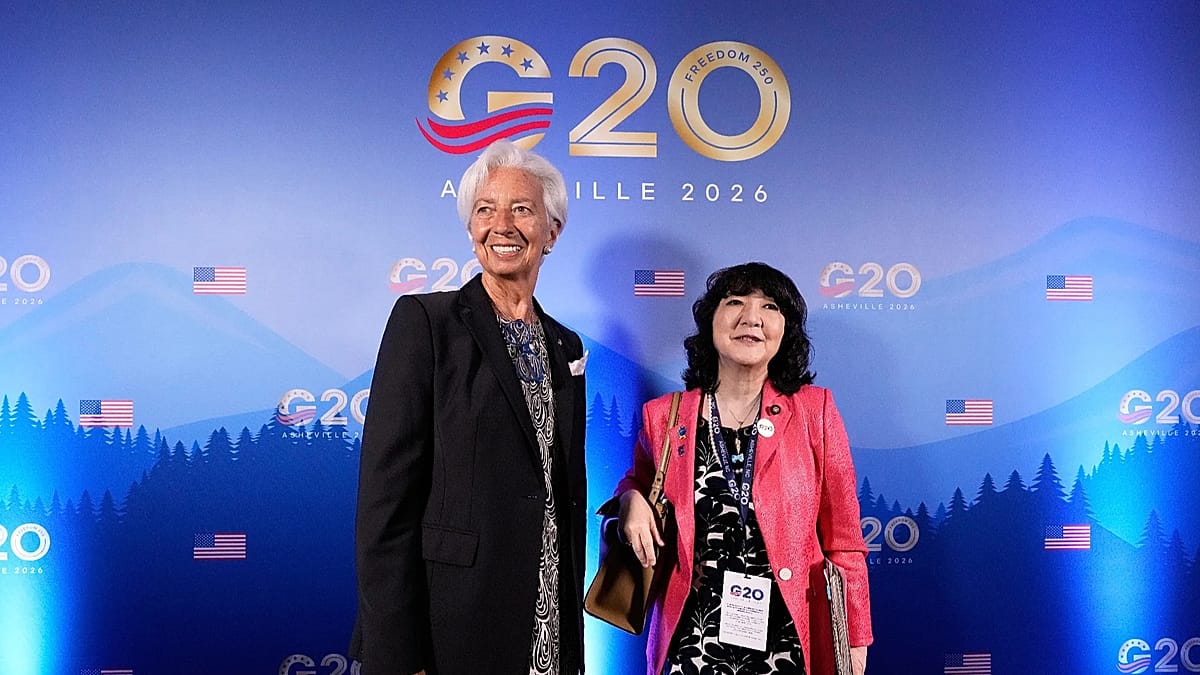
On August 31, 2026, US Treasury Secretary Scott Bessent publicly signaled that Japan would likely take steps to strengthen the yen, including possible interest rate hikes. Outlets such as World News CNA and Bloomberg reported that Bessent directly advised Japanese officials to consider tightening monetary policy, a message he repeated at the G20 finance meeting in North Carolina.
At the same time, US Treasury yields surged, with the 10-year yield rising above 4.75 percent, according to the Economic Times. Oil prices climbed to around $90 per barrel, feeding inflation fears and sparking a global sell-off in government bonds, as noted by CNN and the New York Times.
By September 1, Japan's 10-year government bond yield reached 3 percent for the first time since 1996, marking a dramatic rise in borrowing costs. The Financial Times, Euronews, and Protos all highlighted this milestone, with Protos noting that Japan's borrowing costs had increased 2,900 percent in less than five years.
The global bond sell-off intensified as geopolitical tensions in the Middle East further pushed up oil prices, driving yields higher in Japan and other countries. The New York Times and Bloomberg described mounting anxiety among investors about government debt, deficits, and inflation. Asian stock markets, including Tokyo, fell sharply as higher yields made borrowing more expensive for businesses.
Where it stands
Japan's benchmark 10-year bond yield remains at 3 percent, its highest level in three decades. The weak yen and rising borrowing costs have put significant pressure on Japanese policymakers to act. US Treasury Secretary Bessent continues to urge the Bank of Japan to adopt a more decisive approach, including potential interest rate hikes, to stabilize the currency and anchor inflation expectations, according to the Japan Times.
Market participants are closely watching for signals from the Bank of Japan, especially as speculation grows about a possible rate hike in September. The global environment remains volatile, with high oil prices and ongoing geopolitical tensions keeping inflation risks elevated.
What to watch
All eyes are now on the Bank of Japan and its governor, Kazuo Ueda. Markets are anticipating whether the BOJ will raise interest rates in September, as hinted by recent remarks and mounting external pressure. Any move could have broad implications for Japan's economy and the global bond market.
More in Business
All →
Global Chip Selloff Deepens as AI Debt and Inflation Fears Spread
A week of selling has spread beyond chipmakers as investors question AI spending, rising debt and Chinese competition, while hotter US inflation adds pressure on technology stocks.
40 sources · over 8 days
Starlink Renews India Push as Reliance Defends Satellite Approval Rules
Starlink says it is ready to serve India, while Reliance and Bharti Airtel point to their own pending clearances amid a public dispute over market access.
13 sources · over 4 days
CoreWeave Debt Selloff Raises Funding Fears Across the AI Industry
A sharp selloff in CoreWeave's shares and bonds is testing confidence in debt-funded AI expansion, with lenders increasingly wary of financing other technology startups.
18 sources · over 4 days