
Jensen Huang Named as Spy Plot Target as Nvidia Disputes Report
Reports linking an executive close to Nvidia's chief to Chinese intelligence have drawn a company rebuttal and claims that President Trump was briefed but took no action.
By Hushread Stories, from 10 outlets · First published 29 Oct 2026
In brief
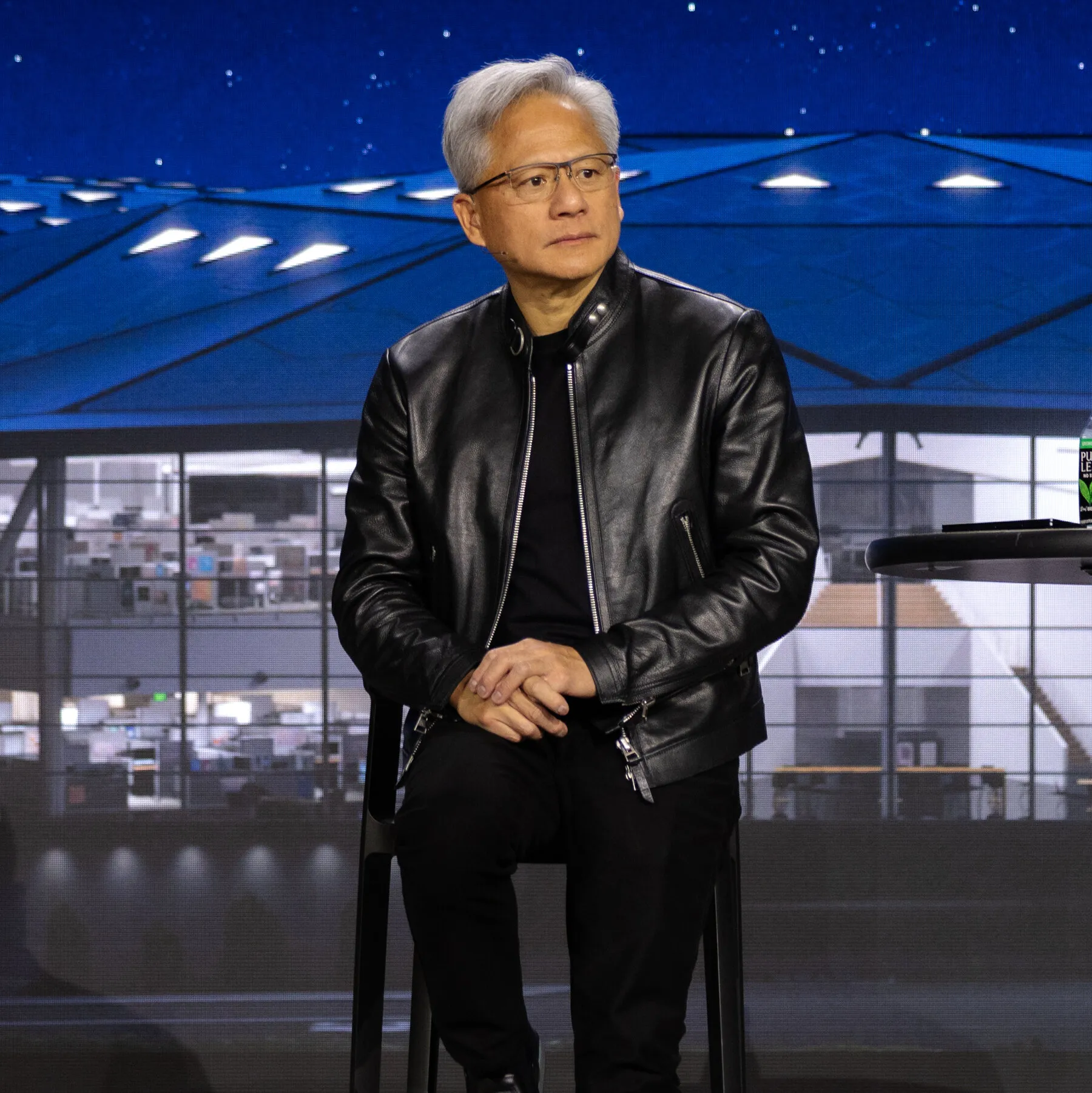
- Reports say US intelligence agencies identified a business executive close to Jensen Huang as a Chinese intelligence asset.
- The executive, Alice Huang, is a Chinese citizen working at the Singapore company Megaspeed, according to reports.
- Separate allegations concern suspected efforts to channel restricted American artificial intelligence chips to China through business dealings.
- President Trump reportedly received a briefing about the suspected intelligence operation but took no action.
- Nvidia has disputed the reporting and says allegations about chip diversion were investigated and debunked.
Timeline · 4 moments
Trump reportedly briefed on suspected operation without taking action
Forbes ↗Executive also suspected of steering Nvidia chips to China
Tom's Hardware ↗Alice Huang identified as alleged Chinese intelligence asset
NDTV Top Stories ↗Report describes executive's close relationship with Jensen Huang
The New York Times ↗How it started
The allegations centre on a business executive with close ties to Nvidia Chief Executive Officer Jensen Huang. The New York Times reported that a Chinese businesswoman close to him had been passing intelligence to Beijing.
NDTV Top Stories identified the executive as Alice Huang, a Chinese citizen and top executive at Singapore-based data centre company Megaspeed. It reported that US spy agencies had identified her as an intelligence asset for China.
How it unfolded
The coverage provided was published on October 29, 2026. It does not establish when the suspected intelligence activity began or when US agencies first became concerned.
Tom's Hardware reported that the executive had close business ties with Jensen Huang and was suspected of steering Nvidia artificial intelligence chips to China. That adds a separate concern about chip transfers to the allegations of intelligence gathering.
The New York Times reported that President Trump was briefed on the suspected plot and took no action. The supplied coverage does not give the briefing date or explain his reported decision.
Nvidia then disputed the report. CNBC Technology reported that the company challenged the account of US intelligence surveillance of someone close to Huang and said chip diversion allegations had been "investigated and debunked."
Where it stands
The central claims remain contested in the available coverage. The New York Times describes intelligence passing to Beijing, while CNBC Technology reports Nvidia's rebuttal. The supplied accounts do not resolve that disagreement.
The distinction between the allegations matters. Suspected intelligence gathering and suspected diversion of restricted chips are related parts of the reporting, but Nvidia's quoted statement about allegations being debunked specifically concerns diversion, according to CNBC Technology.
What to watch
The key unresolved questions are what information Alice Huang allegedly passed to Beijing, what evidence supports the suspected chip transfers, and what President Trump was told. The reports from The New York Times and Tom's Hardware raise those issues without supplying a full account in the coverage provided.
Further detail about the investigation Nvidia cites would also matter: what it examined, who conducted it and how its findings address the intelligence allegations. CNBC Technology reports the company's rebuttal, but the supplied summary does not provide those details.
More in World
All →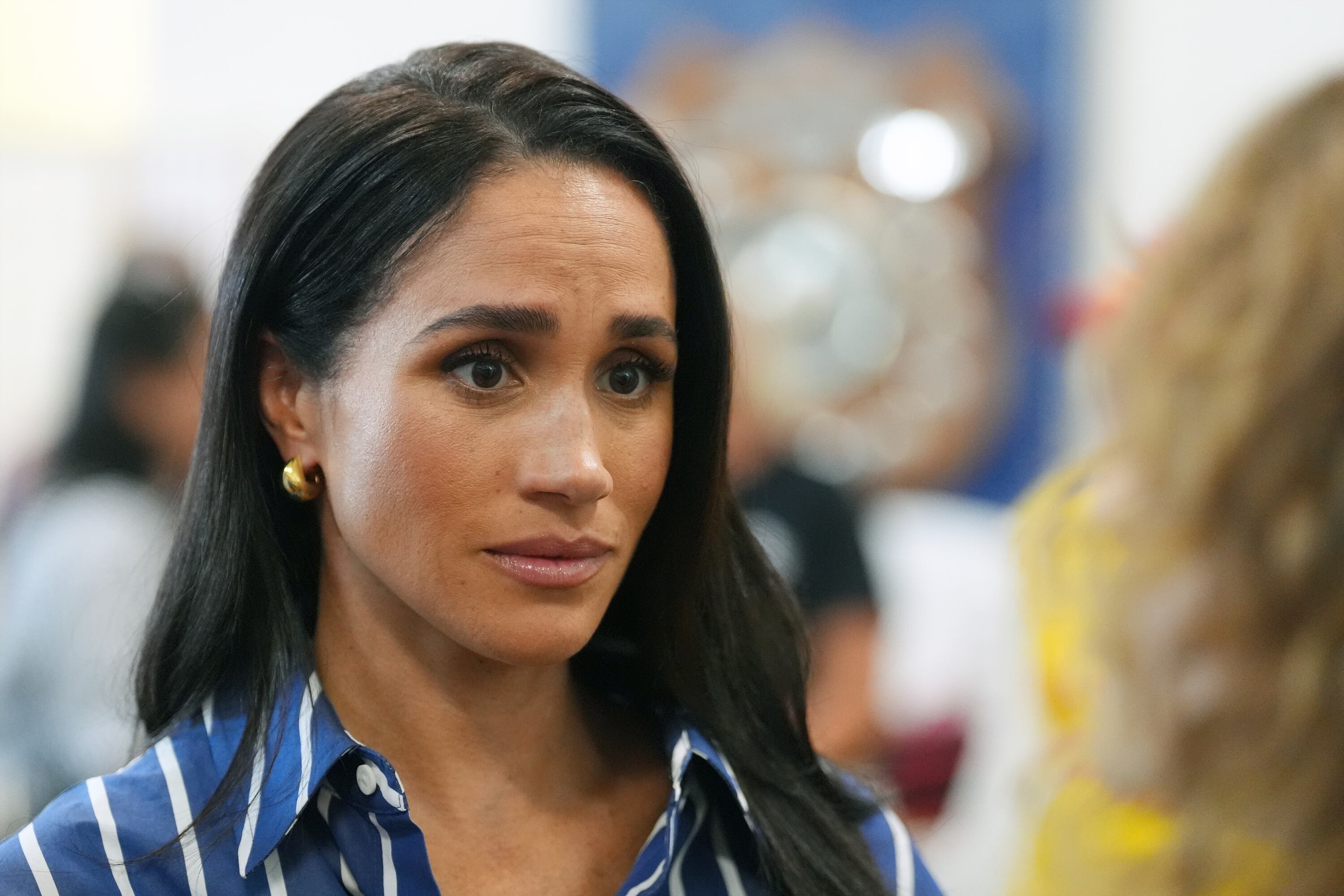
Thomas Markle Investigation: Meghan Speaks Out and Leaves UK
Meghan Markle has spoken about the investigation into her father and left the United Kingdom with Prince Harry and their children.
48 sources · over 7 days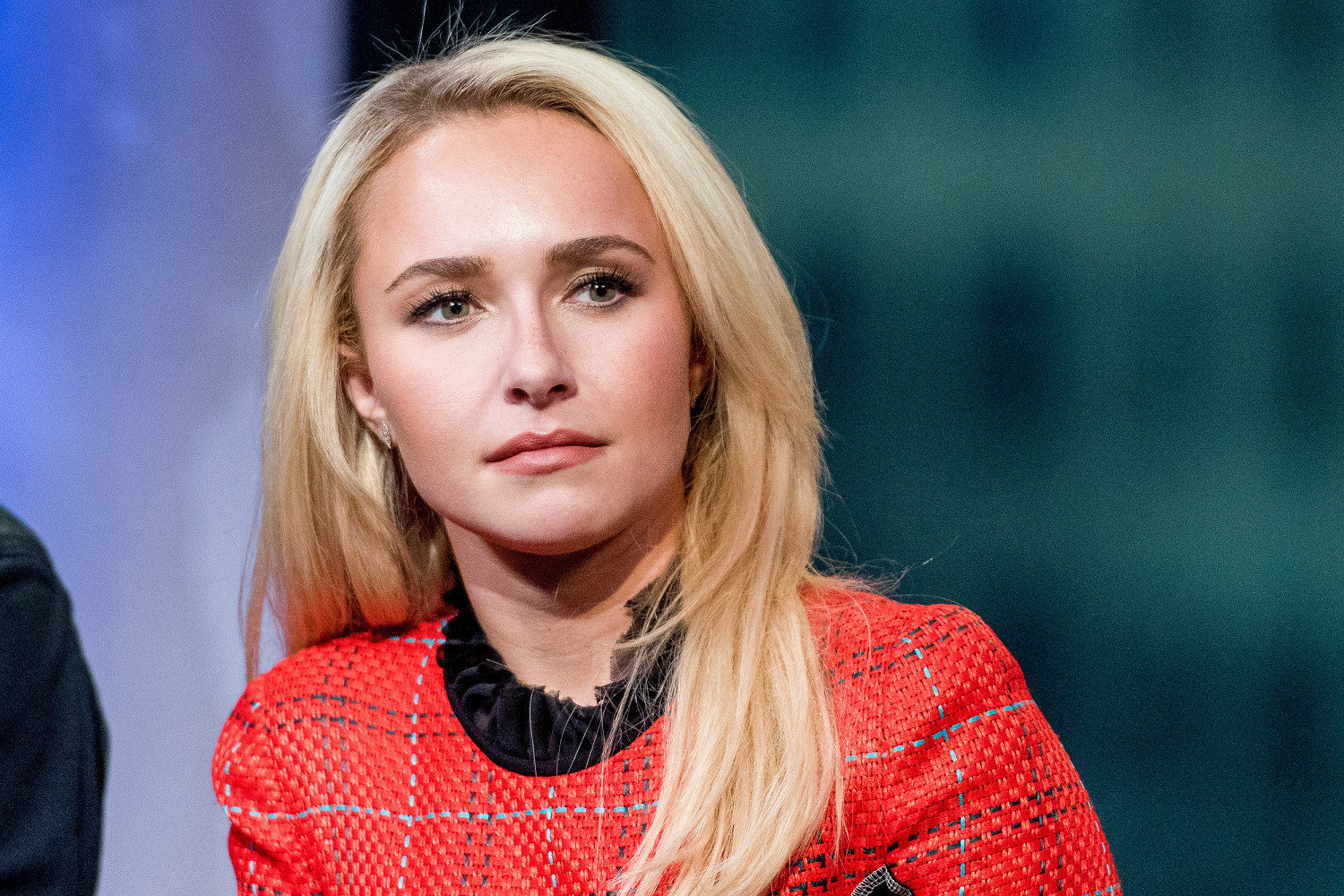
South Carolina police close Hayden Panettiere death investigation after accidental ruling
Police in Greenville have closed their investigation into Hayden Panettiere's death, following a coroner's finding that she died from an accidental drug overdose involving fentanyl.
16 sources · today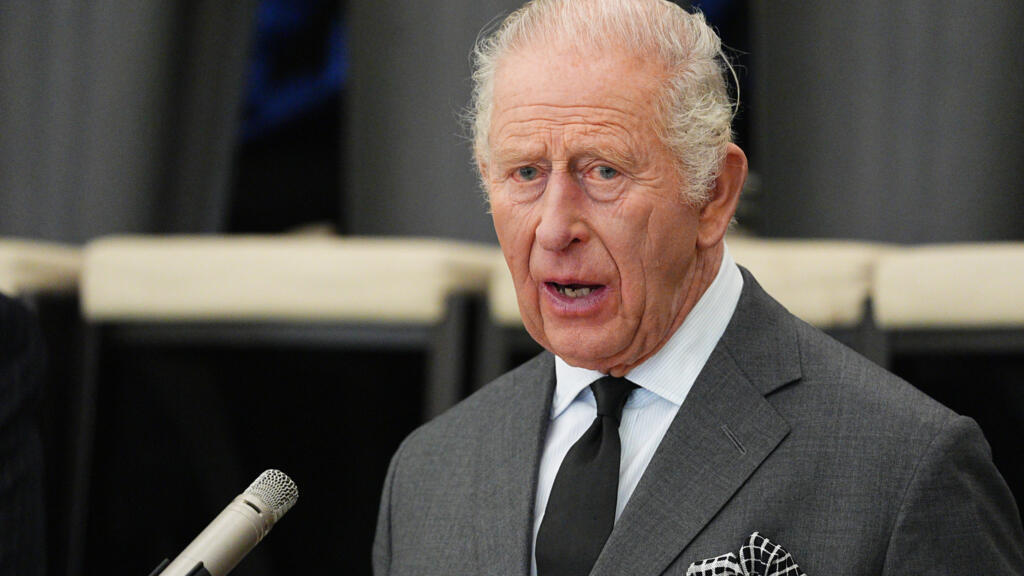
King Charles Faces Slavery Reparations Demands During Caribbean Tour
Charles has acknowledged slavery's suffering without apologizing, as his Caribbean tour moves beyond the Bahamas toward discussions with Commonwealth leaders about the legacy of the past.
15 sources · over 3 days