
Jordan Church Shooting Kills Nine as Retaliatory Strikes Hit Syria
Three suspects have been arrested over the funeral shooting, while Jordan's retaliatory strikes in Syria have brought reports of civilian deaths and border closures.
By Hushread Stories, from 44 outlets · First published 27 Oct 2026 · Chapter 2 of 2
Earlier: Gunmen Kill Nine During Funeral at Church in Jordan's Karak
In brief
- Gunmen attacked a Greek Orthodox church during a funeral in southern Jordan on October 23, killing nine people.
- Dozens were wounded, and 25 people remained hospitalized when officials announced the death toll had reached nine.
- Security forces arrested three suspects after a shootout on October 26, identifying them as two brothers and their brother in law.
- Jordan said its air force struck militant positions in Syria linked to the church attack, an account Syria disputed.
- Reports differ on deaths from the Syrian strikes, while the suspects' affiliations and alleged cross border connections remain unresolved.
Timeline · 6 moments
Syria closes border crossings after deadly Jordanian strikes
Al Jazeera ↗Jordan strikes alleged militant hideouts across Syrian border
Deutsche Welle ↗Security forces arrest three suspects after a shootout
CBC Top Stories ↗Jordan's king orders iron fist response to shooting
The Globe and Mail ↗Death toll reaches nine after wounded victims die
Middle East Eye ↗Gunmen attack church funeral, killing at least seven
Al Jazeera ↗How it started
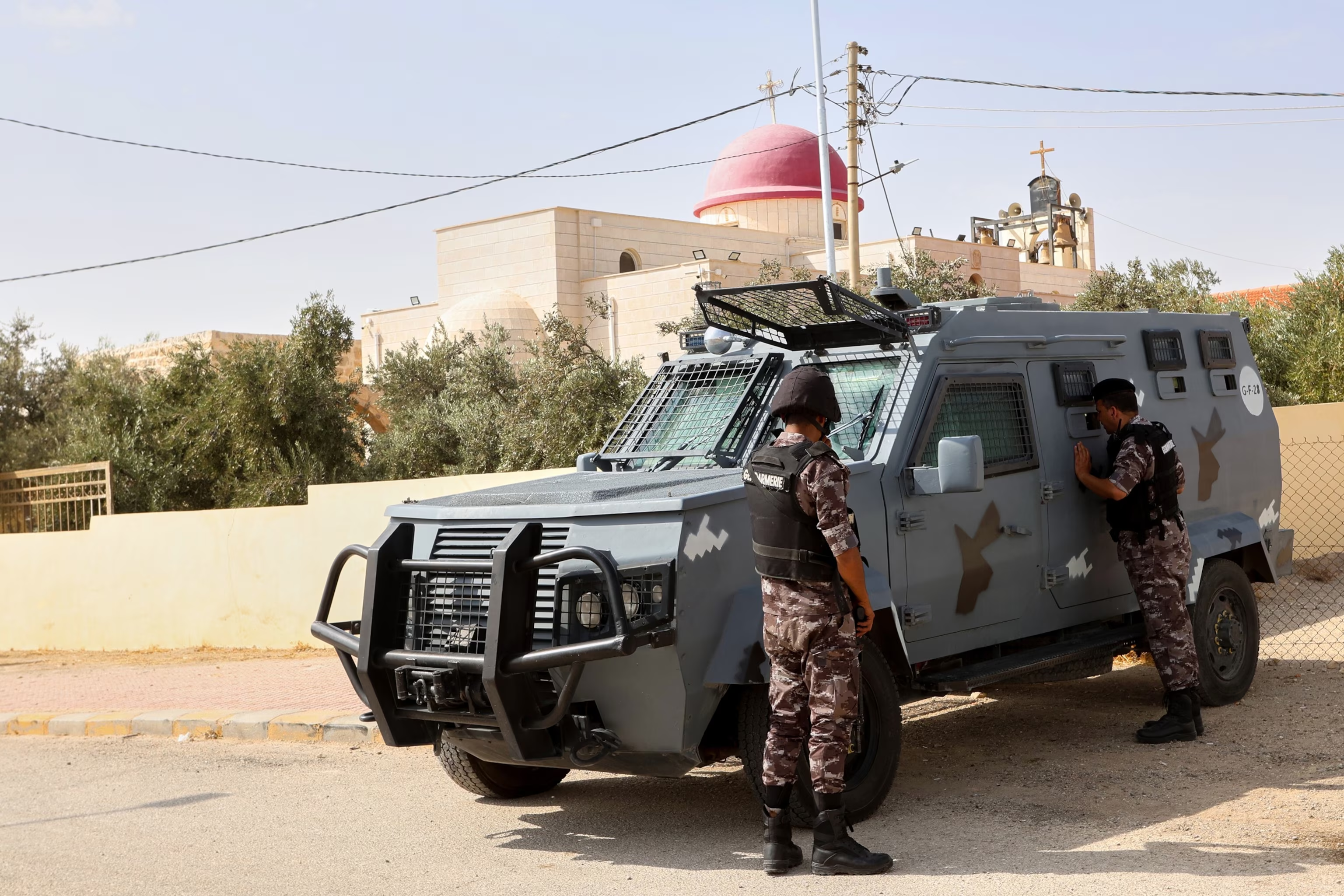
Gunmen opened fire during a funeral at a Greek Orthodox church in southern Jordan on October 23. Nine people ultimately died, and dozens were wounded, according to ABC News.
Reports described the location differently. NDTV placed the church compound in Hammoud village, while Global News described it as being in Karak, about 90 kilometers south of Amman. CNA identified the church as St George's Greek Orthodox Church.
Early accounts also differed on the number of attackers. Al Jazeera initially reported two masked gunmen; NPR later reported that footage broadcast on Jordanian state television showed three men firing.
How it unfolded
On October 23, Al Jazeera reported at least seven deaths and 34 wounded. Other early coverage put the number wounded at 40, including CBC News.
On October 24, the reported death toll rose first to eight, according to Deutschlandfunk, and then to nine. Middle East Eye reported that two wounded people had died. Franceinfo said the health minister reported that 25 injured people remained hospitalized.
Jordan's king ordered an "iron fist" response, The Globe and Mail reported on October 24. That day, Al Jazeera reported that the assailants remained unidentified and at large.
On October 26, security forces arrested three armed suspects after a shootout, state television reported, according to CBC. Arab News identified those arrested as two brothers and a brother-in-law.
Jordan then carried out airstrikes in Syria. Its military said it had destroyed militant positions and killed or wounded members of groups linked to the church attackers, according to The Hindu. Deutsche Welle reported that Syria gave a different account.
By October 27, reports described deaths in Syria and border closures. Al Jazeera reported at least seven people killed in Deraa and Suweyda, including children, and said Syria had closed border crossings with Jordan. Der Spiegel reported that Damascus complained of a lack of coordination and closed the main crossing.
Where it stands
Three suspects are in custody over an attack that killed nine people. No group had claimed responsibility, the BBC reported on October 26. The South China Morning Post reported that the suspects appeared to have no ties to other cells, an account that sits uneasily alongside Jordan's claim of links to groups in Syria.
The toll from the retaliatory strikes is not consistent across the coverage. Al Jazeera reported seven deaths, while News18 reported eight. The BBC cited Syrian health officials saying a strike on a village killed five people, including women and children. The supplied reports do not establish whether those figures cover the same locations.
What to watch
The investigation still needs to establish the suspects' alleged roles and any connection to armed groups outside Jordan. The coverage provides no public evidence resolving the tension between the reported absence of ties to other cells and the military's stated basis for strikes in Syria.
Further casualty information from Syria, and clarification of the border closures, will determine the immediate consequences beyond Jordan. The accounts so far leave both the full toll and the extent of the disruption unclear.
More in World
All →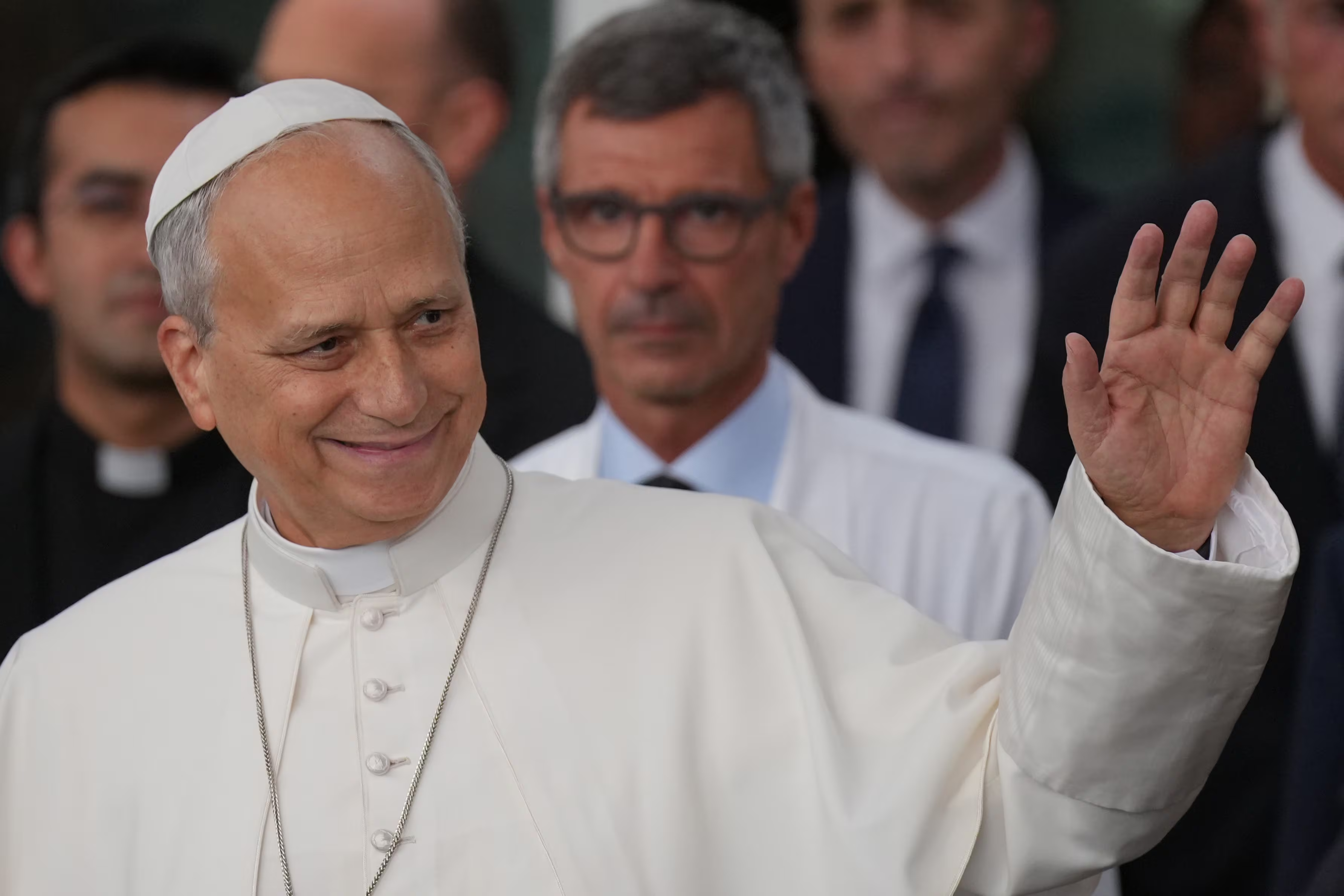
Pope Leo XIV Confirms South America Trip After Lung Cancer Surgery
The November 6 to 17 visit to Uruguay, Argentina and Peru will proceed after doctors cleared the Pope to travel following surgery for lung cancer.
19 sources · today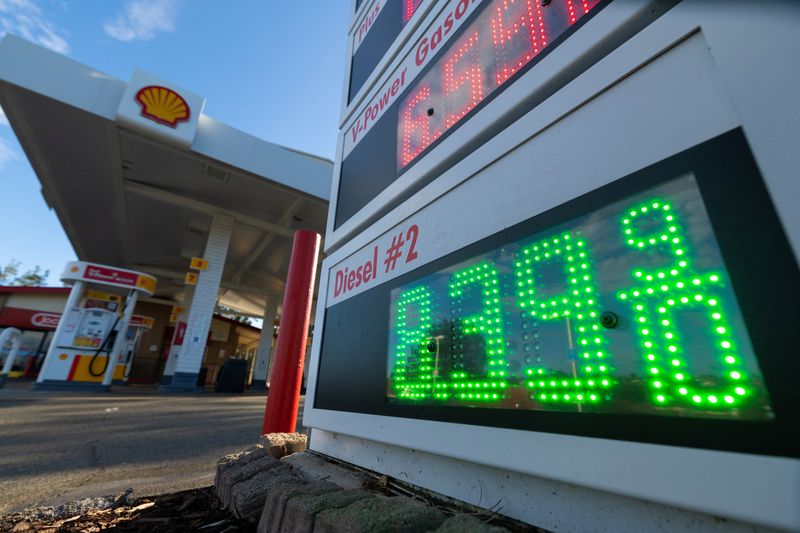
Russian Diesel Heads to US as Lawmakers Challenge Trump Deal
Three Russian diesel tankers are reportedly heading for the United States, while lawmakers warn banks, ports and oil companies of scrutiny over President Donald Trump's agreement with Vladimir Putin.
30 sources · over 6 days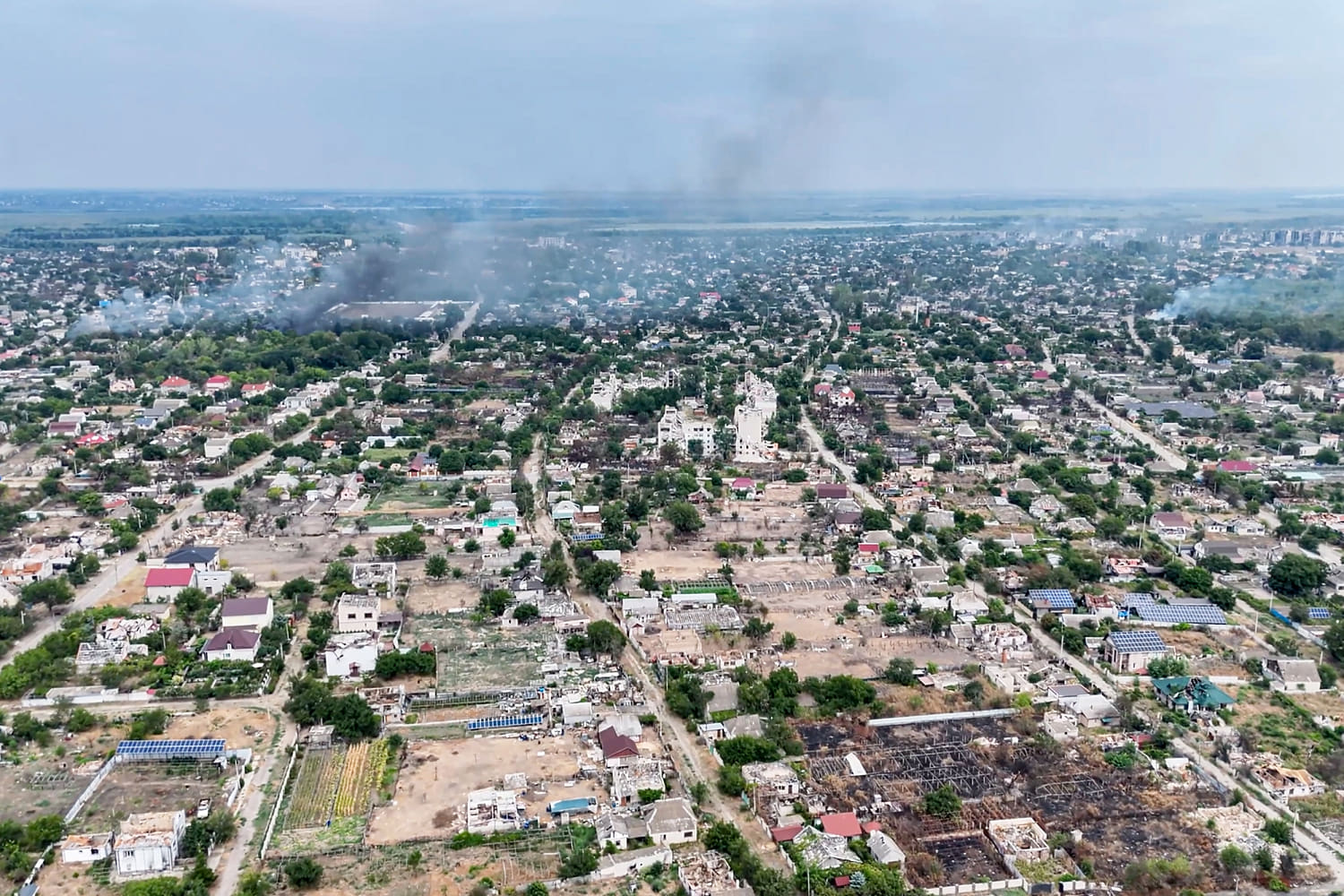
Melania Trump Brokered Truce Begins in Ukraine's Besieged City of Oleshky
A local ceasefire has begun in Russian-occupied Oleshky, offering a chance to deliver food and medicine and prepare civilian evacuations, amid controversy over credit for the agreement.
15 sources · over 4 days