
Justice Department sues California to block ballots from alleged noncitizens
The lawsuit seeks to stop California counting certain mail ballots weeks before the midterms, escalating a dispute over federal citizenship claims and a voter list supplied on a USB drive.
By Hushread Stories, written with AI from 15 outlets · First published 15 Oct 2026
In brief
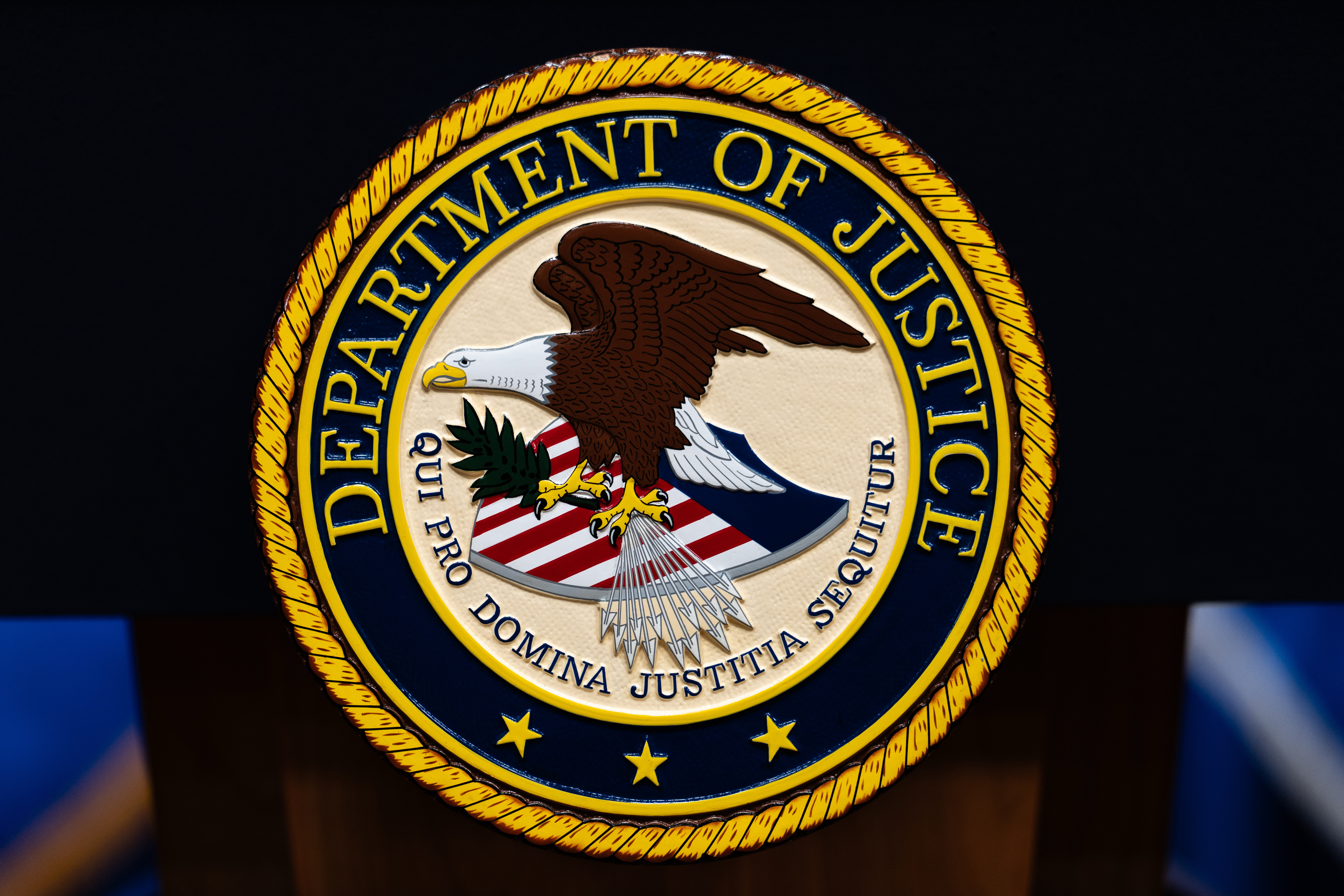
- The Justice Department sued California election officials Thursday over people it alleges are noncitizens registered to vote.
- Federal officials allege more than 20,000 noncitizens are registered, but the supplied coverage does not establish their citizenship.
- The lawsuit seeks to prevent California from counting mail ballots from voters the federal government identifies as likely noncitizens.
- Los Angeles County officials refused to access the supplied USB drive, citing data privacy and information security protocols.
- The immediate question is whether a judge will restrict ballot counting before next month's elections determine control of Congress.
Timeline · 5 moments
Administration sues to block counting of disputed mail ballots
Associated Press ↗Los Angeles County Clerk refuses to access federal drive
ABCNews.com ↗Voting rights group threatens lawsuit over federal review demand
The Hill ↗Administration demands ballots be set aside pending citizenship verification
Axios ↗Justice Department gives California 48 hours to review names
Reuters ↗How it started
The dispute began with a federal demand for a rapid check of California's voter rolls. On October 13, the Justice Department gave state officials 48 hours to review a list of alleged noncitizen voters or face legal action, according to Reuters.
The demand concerned people the federal government believed might have received mail ballots despite not being US citizens, CBS Top Stories reported. That was an allegation about their eligibility, not a finding that they had cast votes.
How it unfolded
By October 14, the threatened court action carried a specific demand about ballot handling. According to Axios, the administration wanted officials to investigate potentially ineligible voters within 48 hours and set aside ballots from anyone whose citizenship they could not verify.
The method for checking the names also became a point of dispute. The Justice Department supplied a USB drive and demanded that California authorities compare their voter records with information provided by the Department of Homeland Security, The Hill reported.
A voting rights group warned that it planned to sue the Justice Department unless it withdrew its demand, according to The Hill on October 14. The supplied coverage does not say that the group subsequently filed a lawsuit.
On October 15, ABCNews.com reported that the Los Angeles County Clerk would refuse to access the thumb drive. Connecting it would violate established data privacy and information security protocols, the clerk said, according to Technology.
The federal government then went to court on October 15. The lawsuit asked a judge to bar California from counting mail ballots from the people it had identified, Associated Press reported.
Where it stands
The Justice Department alleges it identified more than 20,000 noncitizens unlawfully registered to vote, according to CBS Top Stories. The coverage supplied here does not establish that those people are noncitizens, received ballots or voted.
The lawsuit seeks a temporary block on counting mail ballots from voters the administration claims are likely noncitizens, The New York Times reported. The supplied reports describe a request for court intervention, not a ruling granting it.
The case comes less than a month before midterm elections that will determine which party controls both chambers of Congress, according to CNBC.
What to watch
The immediate issue is whether a judge grants the requested restriction on ballot counting. The scope of any order matters: the administration is seeking to stop the counting of ballots associated with its list, not merely to require another review, according to The New York Times.
Another unresolved issue is how officials would check the federal claims while addressing the security objections to the USB drive. The refusal reported by ABCNews.com leaves the handling of that information a live part of the dispute.
More in Politics
All →
Katie Zacharia Admits She Never Passed Bar Exam Amid Bar Complaint
The White House press secretary acknowledged she never passed a bar exam and defended describing herself as a lawyer.
37 sources · over 2 days
Supreme Court Upholds Rejection of Tamil Nadu Quota Notification for Converts
The ruling leaves a Tamil Nadu reservation notification quashed and makes clear that conversion from Hinduism to Islam does not automatically establish eligibility for Backward Class Muslim benefits.
9 sources · today
Modi Opens Chennai Metro Phase II Stretch, Rides With CM Vijay
The ₹4,900 crore Poonamallee-Vadapalani stretch opens the first section of Chennai Metro Phase II, while Tamil Nadu Chief Minister Vijay seeks further expansion and more funding.
10 sources · over 5 days