
King Charles Arrives in Guyana as Caribbean Reparations Demands Persist
Charles has moved from the Bahamas to Guyana after acknowledging slavery's suffering without apologizing, with Commonwealth discussions on its legacy still ahead during his Caribbean tour.
By Hushread Stories, from 15 outlets · First published 29 Oct 2026 · Chapter 2 of 2
Earlier: King Charles Faces Slavery Reparations Demands During Caribbean Tour
In brief
- King Charles III began his nine day Caribbean tour in the Bahamas on October 27 amid reparations demands.
- He acknowledged the suffering caused by slavery but stopped short of an apology or offering reparations.
- Charles met Bahamian leaders and joined a Junkanoo street parade during his two days in the Bahamas.
- Charles arrived in Guyana on October 29 as calls for an apology and slavery reparations continued.
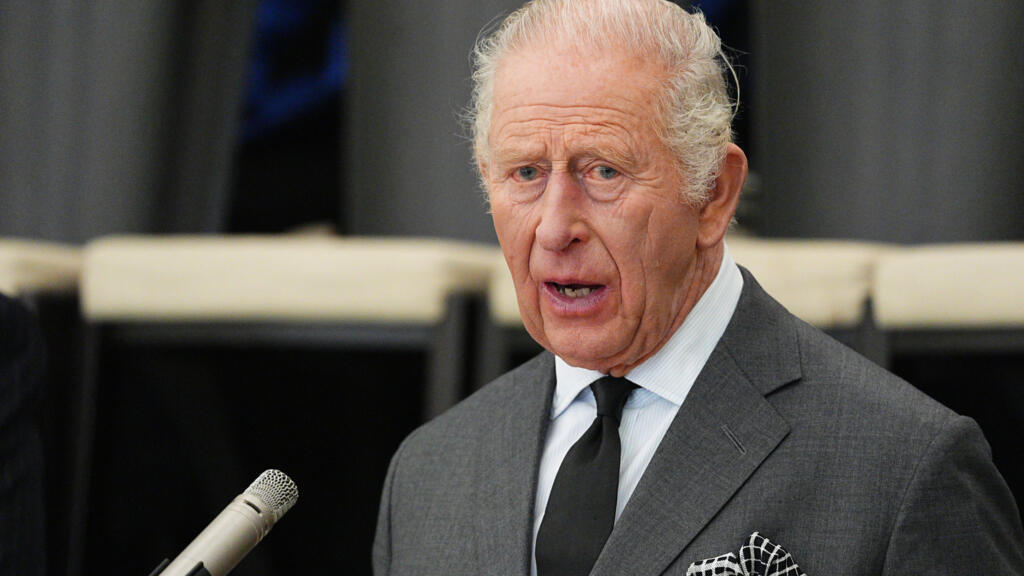
- At a reception hosted in his honour by the President of Guyana, Charles sampled specially blended rum and called it "very good."
Timeline · 8 moments
Charles samples specially blended rum at Guyana reception
Home | GB News ↗Charles arrives in Guyana and receives official welcome
Home | GB News ↗King joins dancers at Nassau Junkanoo street parade
Euronews ↗Charles pays respects to fallen servicemen and women
BBC News ↗King holds audiences with Bahamian prime minister and governor general
Home | GB News ↗Charles confirms slavery legacy discussion with Commonwealth leaders
Top Stories ↗King acknowledges past suffering amid demands for apology
© Aaron Chown, AFP ↗Charles begins Caribbean tour with arrival in Bahamas
South China Morning Post ↗Update 30 Oct 2026, 0:58 pm UTC
Charles has arrived in Guyana for the second leg of his Caribbean tour. Coverage reports that he sampled a specially blended rum at a reception hosted in his honour by the President of Guyana.
How it started
King Charles III began a nine-day Caribbean tour in the Bahamas on October 27, facing demands for an apology and reparations for slavery. It was his first official visit to the Bahamas as king, according to South China Morning Post.
The trip also includes a meeting of leaders from more than 50 nations, NYT World News reported. That gathering gives Commonwealth nations pressing Britain to engage in reparations talks an opportunity to raise the issue.
How it unfolded
On October 27, Charles acknowledged "the great suffering of the past" as the tour began, according to AFP. But he stopped short of apologizing or offering reparations, CBC Top Stories reported.
By October 28, Charles had confirmed he would discuss slavery's legacy at the Commonwealth summit, according to Top Stories. That commitment came as Commonwealth nations renewed calls for Britain to engage in reparations talks.
On October 28, Charles held audiences with Bahamian Prime Minister Philip Davis and Governor General Dame Cynthia Pratt, GB News reported. He also paid his respects to fallen servicemen and women, according to BBC News.
Later that day, Charles joined dancers at a Junkanoo street parade in Nassau. Euronews reported that he danced with local participants during the celebration, bringing a festive public appearance into a visit marked by demands over slavery.
On October 29, Charles arrived in Guyana after two days in the Bahamas. GB News reported that he received an official welcome at Cheddi Jagan International Airport.
Where it stands
The distinction remains between acknowledging slavery's harm and taking the action campaigners want. CBS Top Stories reported renewed demands for an apology and reparations, with protesters calling: "Pay us what you owe us."
Buckingham Palace has said Charles will not issue an apology during the tour, according to Times of India. The palace described such decisions as "matters for governments to address". His promised discussion of slavery's legacy therefore does not amount to a commitment to reparations.
What to watch
The Commonwealth summit is the next focus for the reparations debate. Charles has committed to discussing slavery's legacy, according to Top Stories, but the coverage does not establish whether those discussions will lead to government talks on reparations or any agreed next step.
More in World
All →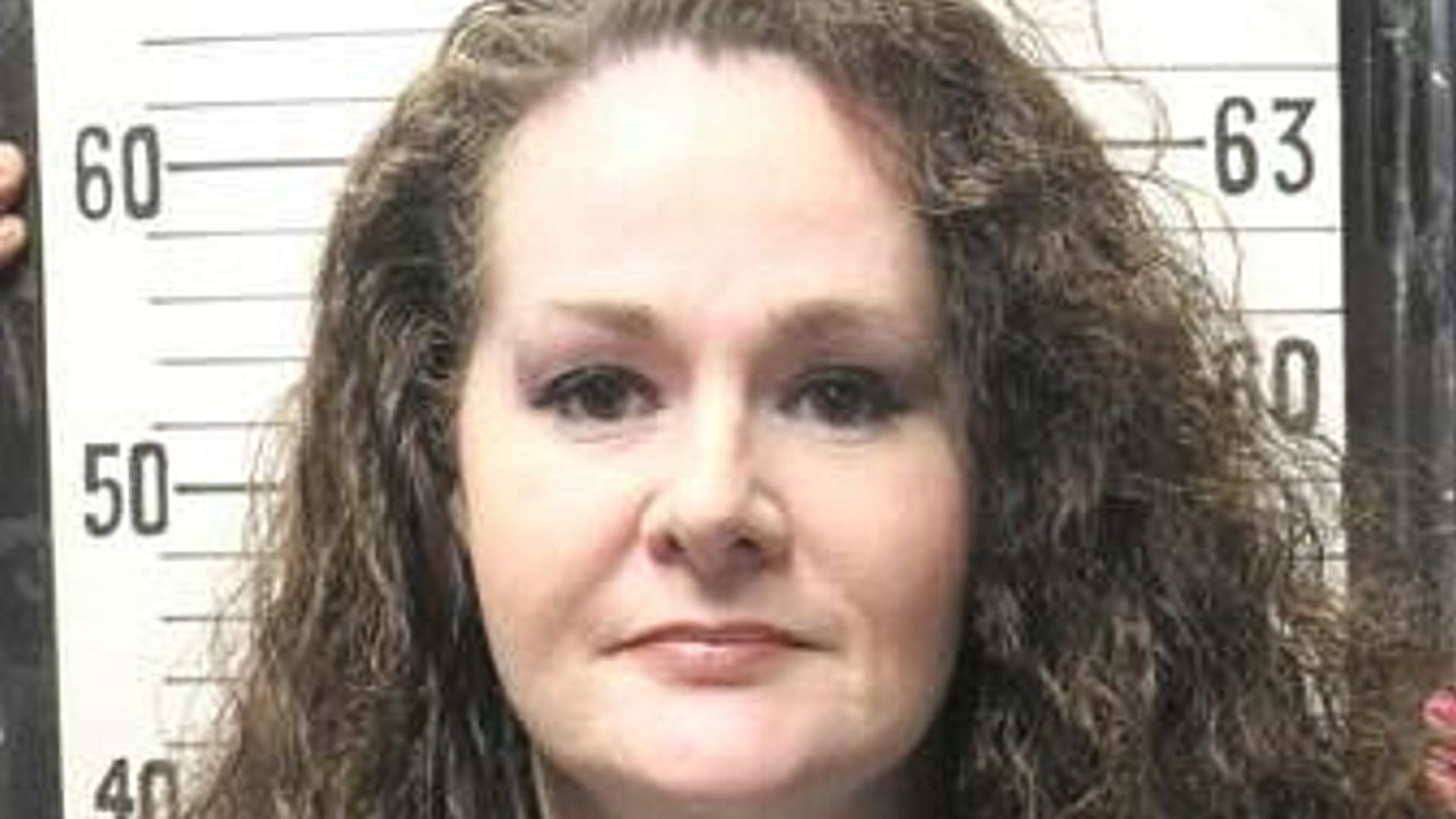
Christa Pike Describes Pain After Failed Execution as Death Sentence Remains
Pike's first public account of surviving lethal injection comes as Tennessee Governor Bill Lee signals her sentence will likely stand and reporting raises questions about execution protocols.
8 sources · over 2 days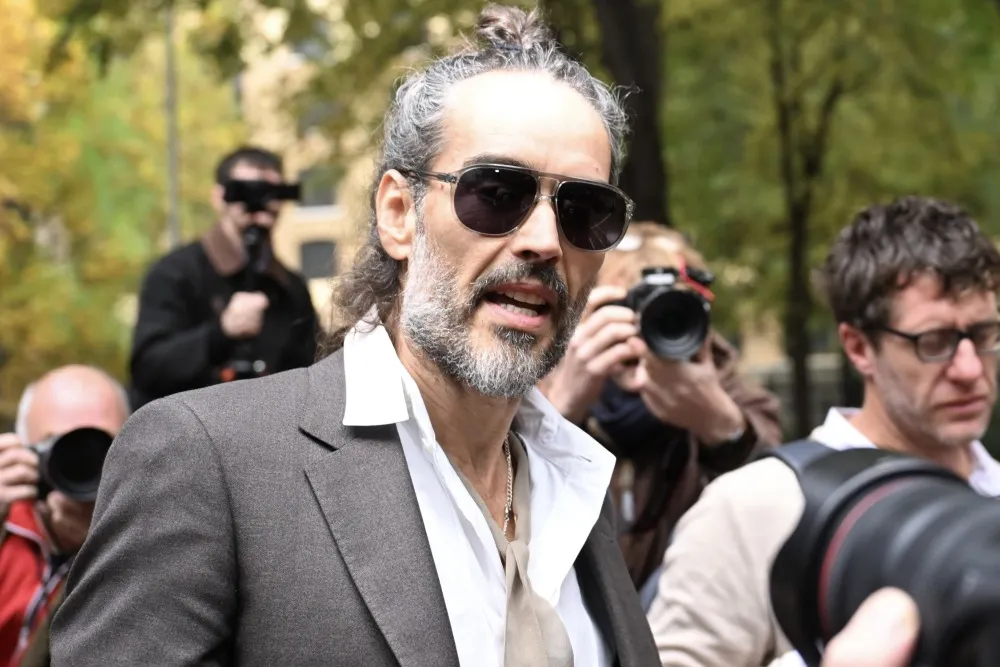
Russell Brand Rape Trial Reaches Closing Arguments After Wife Gives Evidence
Prosecutors have challenged Russell Brand's defence in closing arguments, as the London trial continues over seven sexual offence charges that he denies.
17 sources · over 5 days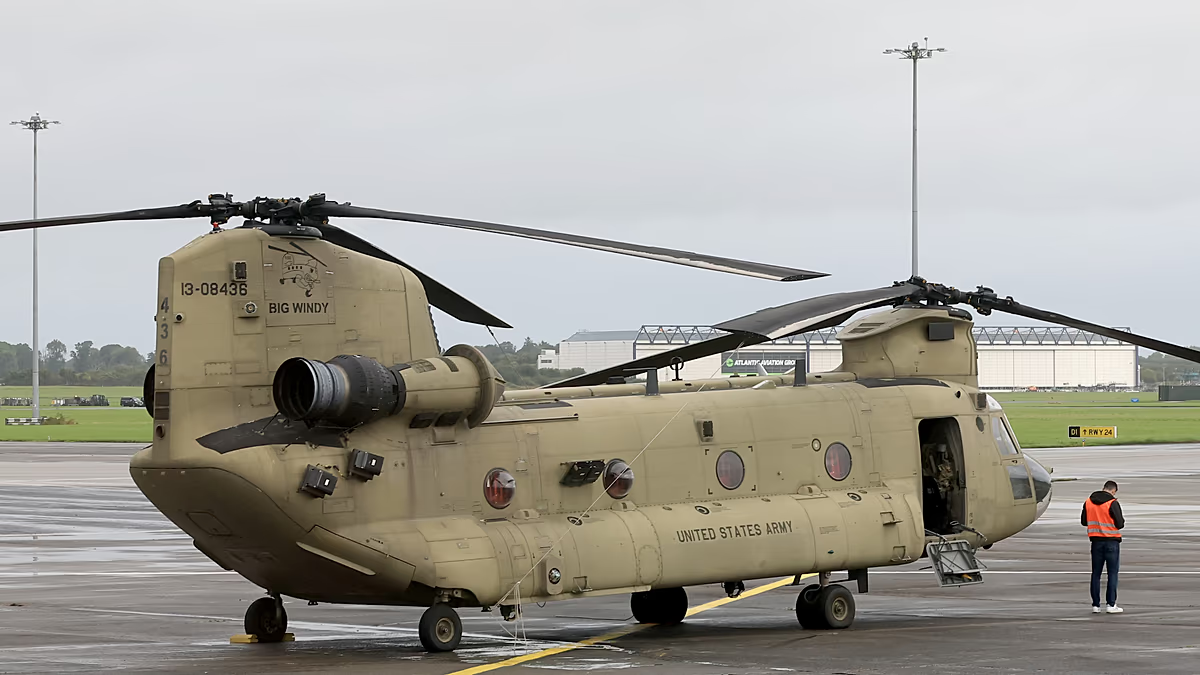
Italian Military Helicopter Crashes in Bosnia, Killing Four and Injuring 11
The helicopter was on a training flight near Brcko, and reports identify two Red Cross workers among the dead.
23 sources · today