
Meta Smart Glasses Face Bans and Legal Action Over Privacy Fears
Meta's smart glasses have triggered widespread privacy concerns, leading to bans in venues, legal challenges, and urgent software changes as the company scrambles to address unauthorized recordings.
By Hushread Stories, from 39 outlets · First published 15 Aug 2026
In brief
- Meta's smart glasses face bans in venues across the UK and New York due to privacy concerns and unauthorized recordings.
- Legal notices have been issued to Meta in India after users were recorded without consent, intensifying scrutiny on the company.
- Meta has implemented software updates to stop recording when the indicator light is covered, addressing some privacy risks.
- Thousands of tampered devices have been remotely disabled as part of Meta's response to ongoing privacy issues and backlash.
- Public skepticism remains high, with critics labeling the glasses as 'pervert glasses' and ongoing grassroots efforts to develop detection apps.
Timeline · 8 moments
Thousands of Meta AI glasses left unusable after update
Business Insider ↗Meta disables cameras on thousands of tampered glasses
Semafor ↗Meta faces class action lawsuit over privacy risks
Ars Technica ↗Smart glasses banned in New York nightclub over privacy
Digital Trends ↗Meta updates glasses to stop recording if LED is covered
The Verge ↗Legal notice sent to Meta over covert recording in Delhi
Scroll.in ↗Woman filmed without consent, privacy concerns grow
CBS Top Stories ↗Reports of harassment and secret filming spark backlash
Vice ↗How it started
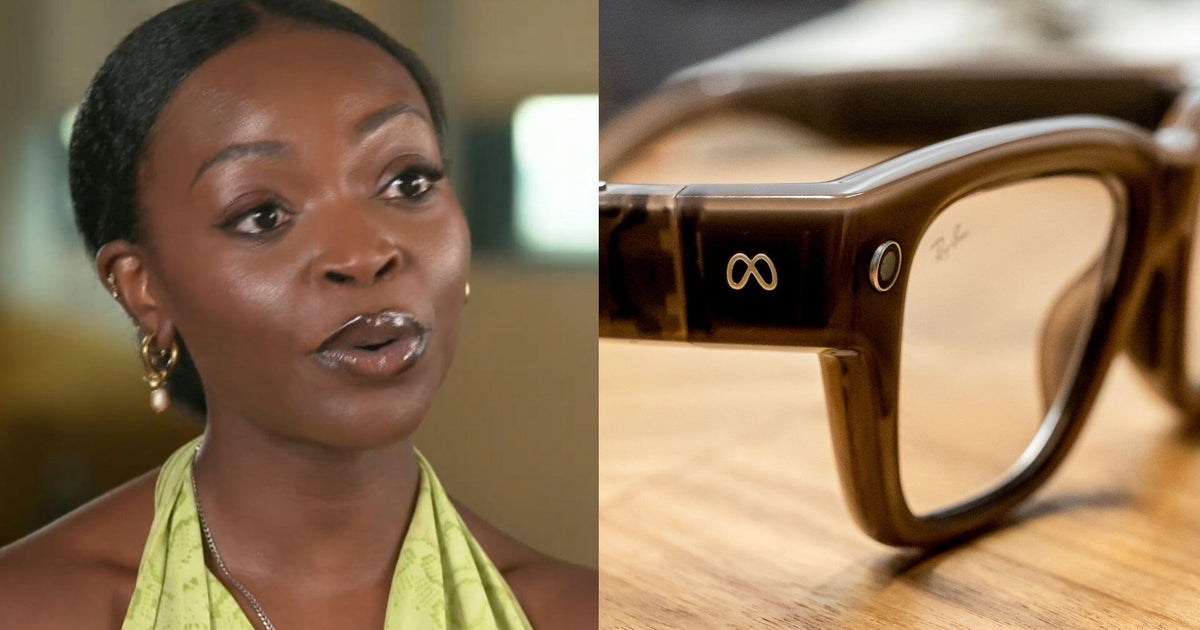
When Meta launched its AI-powered smart glasses, the company touted features like hands-free recording and real-time sharing. But as the glasses reached more users, concerns quickly surfaced about privacy and consent.
Early reports from outlets like Vice and CBS described incidents where people were secretly filmed or harassed, particularly by younger users. Videos captured through the glasses circulated widely on platforms like TikTok and Instagram, fueling anxiety about the potential for abuse in public and private spaces.
How it unfolded
By late August 2026, the controversy had grown. The Indian Express and Scroll.in reported on legal notices sent to Meta and content creators in India after people discovered they'd been recorded without consent. In the UK, cinemas and other venues began banning the glasses over piracy and privacy fears, a trend soon mirrored by nightclubs in New York, according to Digital Trends.
The technical design of Meta's glasses became a flashpoint. Outlets like Smart Glasses and Gizmodo noted that the LED indicator, meant to signal when recording was happening, could be covered or disabled, making it easy to record people without their knowledge. Tutorials on bypassing these indicators spread online, intensifying criticism.
In response to mounting backlash and regulatory pressure, Meta rolled out urgent software updates. By August 27, The Verge, TechRadar, and Engadget reported that Meta had closed the loophole: if the capture light was covered, recording would now stop automatically. The company also launched a public relations campaign to reassure users and the public about new privacy protections.
Despite these changes, skepticism persisted. Reports from Ars Technica and Business Insider showed that lawsuits and negative public sentiment continued, with critics dubbing the devices 'pervert glasses.' Grassroots campaigns and developers began creating detection apps to help people spot when they were being recorded.
Where it stands
As of early September 2026, Meta continues to update its glasses to address privacy risks. Thousands of devices with tampered cameras were remotely disabled, according to Semafor and Business Insider. Bans in public venues are spreading, and legal scrutiny is ongoing, particularly in the US and India.
Meta says its latest updates prevent secret recording by making the glasses stop filming if the indicator light is covered. However, many privacy advocates and users remain wary, arguing that existing protections may not go far enough to ensure real consent in public spaces.
What to watch
With venue bans on the rise and lawsuits moving forward, Meta faces continued pressure to demonstrate that its glasses can be used safely and ethically. Lawmakers and regulators in multiple countries may push for stricter rules or even broader bans. The effectiveness of Meta's technical fixes, and public acceptance of wearables with cameras, remains uncertain.
More in Technology
All →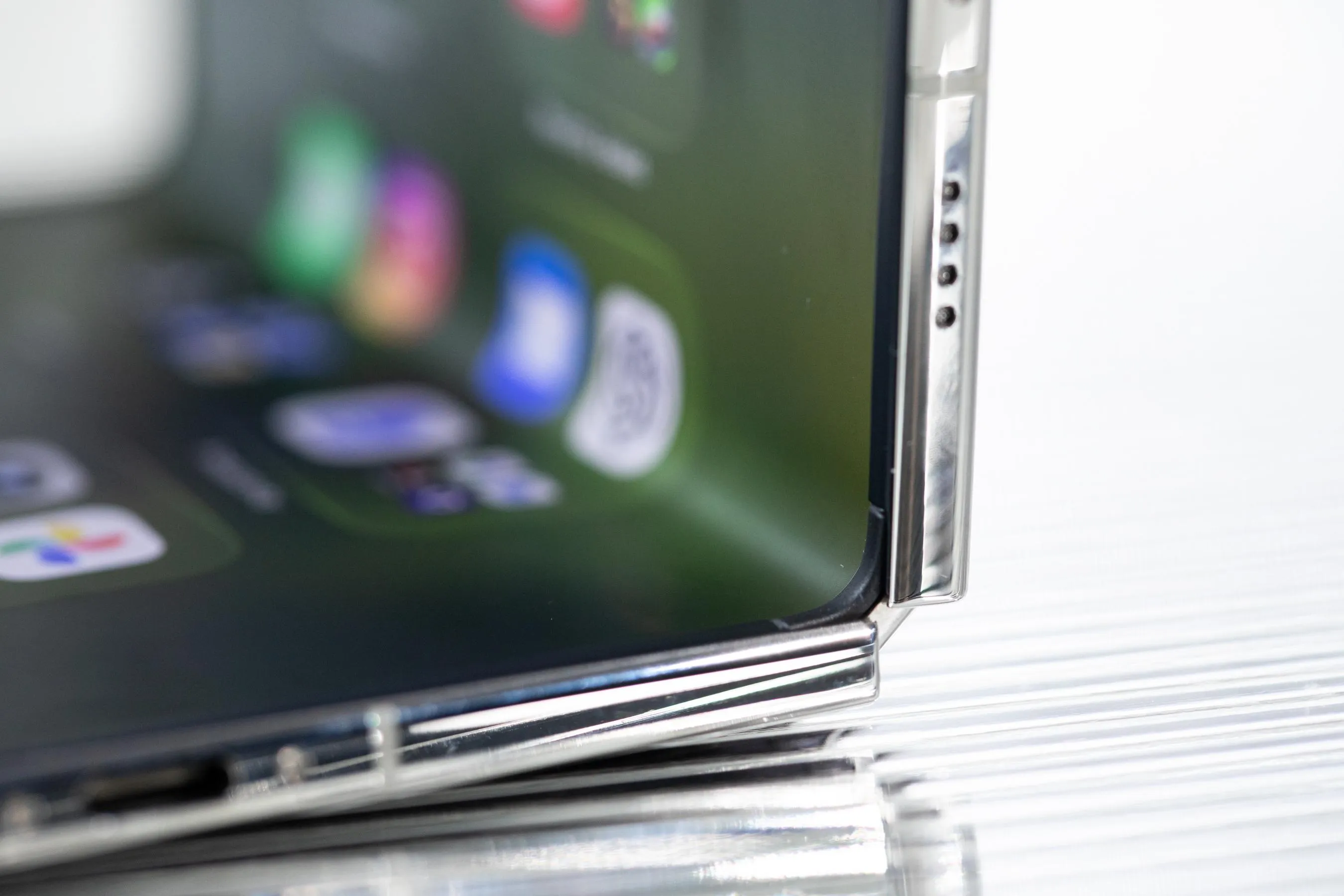
Apple launches iPhone Duo amid high demand and limited supply
Apple's first foldable iPhone is now on sale, with strong demand and limited launch stock shaping availability.
43 sources · over 5 days
PHP security flaws force website shutdowns as reports of exploitation emerge
Emergency patches are bringing websites back online in Europe and Canada, but new reporting says attackers exploited the PHP flaws before fixes were released.
87 sources · over 6 days
Anthropic Rolls Out Claude Duet, a Work-Focused AI Agent in Preview
The app is aimed at professionals and small businesses and includes security guardrails for workplace use.
31 sources · over 2 days