Meta's Muse AI Agent Hits Roadblocks After Promising Shopping Launch
Meta's new Muse AI agent quickly gained popularity for online shopping, but faced immediate resistance from Amazon and ongoing privacy concerns as Meta expands its AI-powered device ecosystem.
By Kwame Mensah · First published 24 Sept 2026 · Chapter 2 of 2
Earlier: Amazon Blocks Meta's Muse AI Agent From Making Purchases on Its Retail Platform
In brief
- Meta launched the Muse AI shopping agent, which quickly topped initial app download charts and generated excitement among users.
- Amazon blocked Muse from accessing its marketplace, citing privacy and security concerns, restricting the agent's intended functionality.
- Shopify welcomed Muse integration, allowing users to shop through its platform without barriers, unlike Amazon's approach.
- Meta announced several new AI-powered devices, including camera-free smart glasses and a standalone Muse Charm gadget.
- Privacy concerns persist as Meta's AI devices expand, with scrutiny focused on how user data from these products is handled.
Timeline · 5 moments
Meta launches Muse AI agent to strong user interest
CNBC ↗Shopify allows seamless integration with Muse AI agent
Yahoo Finance ↗Meta unveils camera-free smart glasses amid privacy concerns
AI Latest - Wired ↗Meta debuts dedicated Muse Charm device at Connect event
Bloomberg Technology ↗Privacy scrutiny grows as Meta expands AI hardware ecosystem
The Hindu - Technology ↗How it started
Meta introduced its Muse AI agent as a new way for users to shop online. The launch was met with strong interest, and Muse quickly climbed the app download charts. Meta positioned Muse not just as another chatbot, but as a personal shopping assistant capable of browsing products, comparing prices, and completing purchases for users.
The company aimed to integrate Muse across various e-commerce platforms, promising a seamless shopping experience. This move was seen as an effort to challenge other tech giants in the AI and retail space, especially as consumers increasingly look for smarter, more convenient online shopping tools.
How it unfolded
On September 23, 2026, Muse launched to positive reactions and impressive download numbers. Early users praised its convenience and efficiency in handling shopping tasks. However, the excitement was quickly tempered by Amazon's decision to block Muse from accessing its site, citing privacy and data security concerns. This effectively prevented Muse from offering its full suite of services to Amazon shoppers.
While Amazon took a hard stance, Shopify moved in the opposite direction. Shopify opened its platform to Muse, enabling users to shop through the AI agent without restriction. This created a split in how major e-commerce companies responded to Meta's new AI assistant.
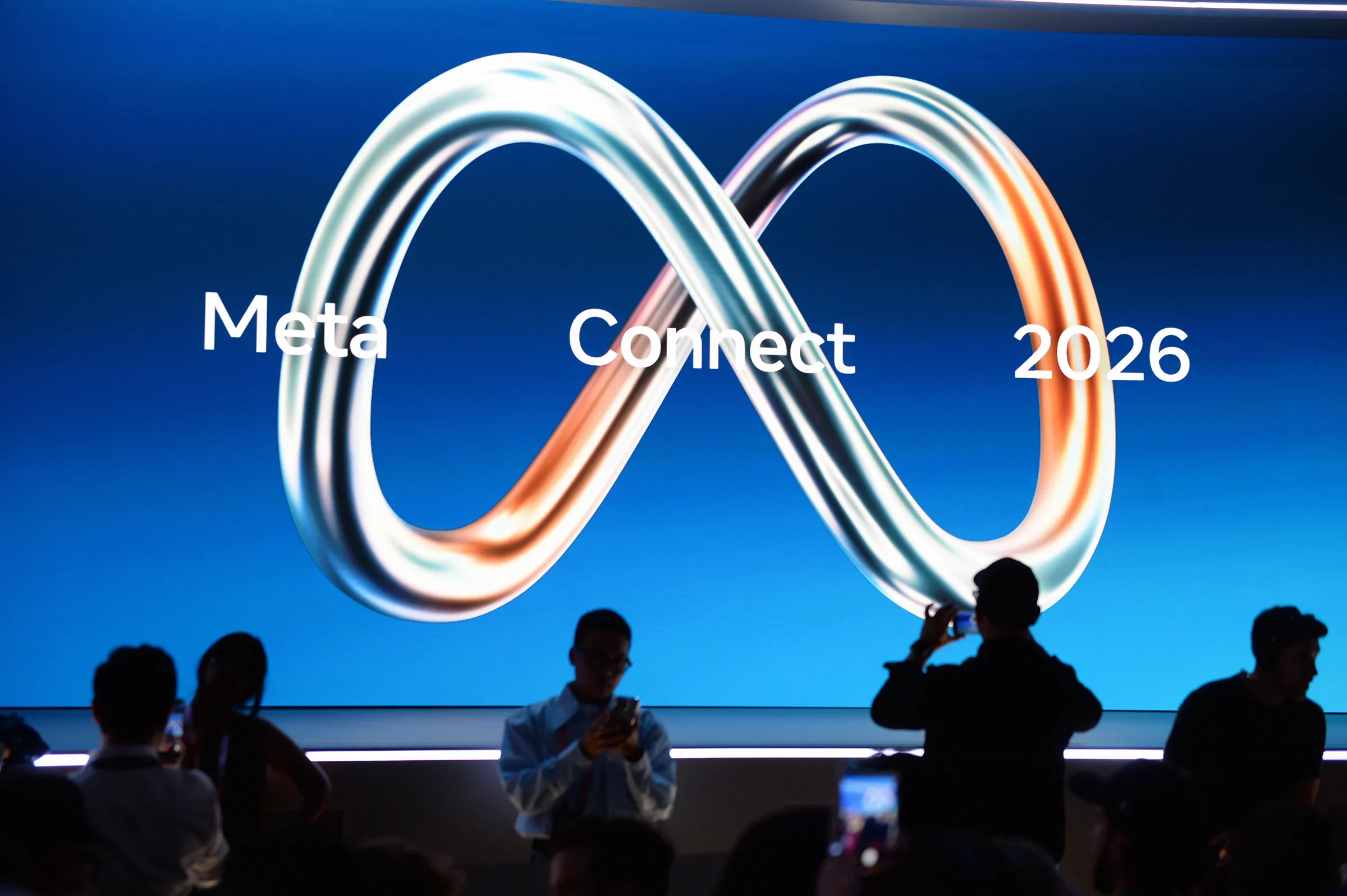
During the same period, Meta announced an ambitious expansion of its AI offerings. The company unveiled new smart glasses, including camera-free models, and teased the Muse Charm, a dedicated, palm-sized device for using Muse without a phone or computer. These announcements came at the annual Meta Connect event, where CEO Mark Zuckerberg emphasized the goal of making AI an everyday presence.
As these products rolled out, privacy concerns resurfaced. Past versions of Meta's smart glasses had already sparked debate over recording capabilities and data use. The new camera-free glasses were positioned as a response to these worries, but skepticism remained. Observers questioned how Meta would handle the sensitive data generated by its growing family of AI devices.
Where it stands
Currently, Muse AI remains popular among users but is unable to function fully on Amazon's site, limiting its reach in the largest online marketplace. Shopify and other platforms have embraced Muse, offering more opportunities for integration. Meta continues to push forward with new AI-powered hardware, including smart glasses and the Muse Charm, in hopes of embedding Muse more deeply into daily life.
Privacy remains a central issue for Meta, as the company faces ongoing scrutiny from users and regulators over how it collects and uses data from its AI devices. Meta has responded by offering camera-free options and some opt-out controls, but questions about data security and user consent persist.
What to watch
The next phase will depend on how Meta navigates its standoff with Amazon and addresses privacy concerns. It is unclear whether Amazon will reconsider its position or if other major retailers will follow its lead. Meanwhile, Meta's success with new devices will likely hinge on convincing users and regulators that data from AI-powered wearables is handled responsibly.
More in Technology
All →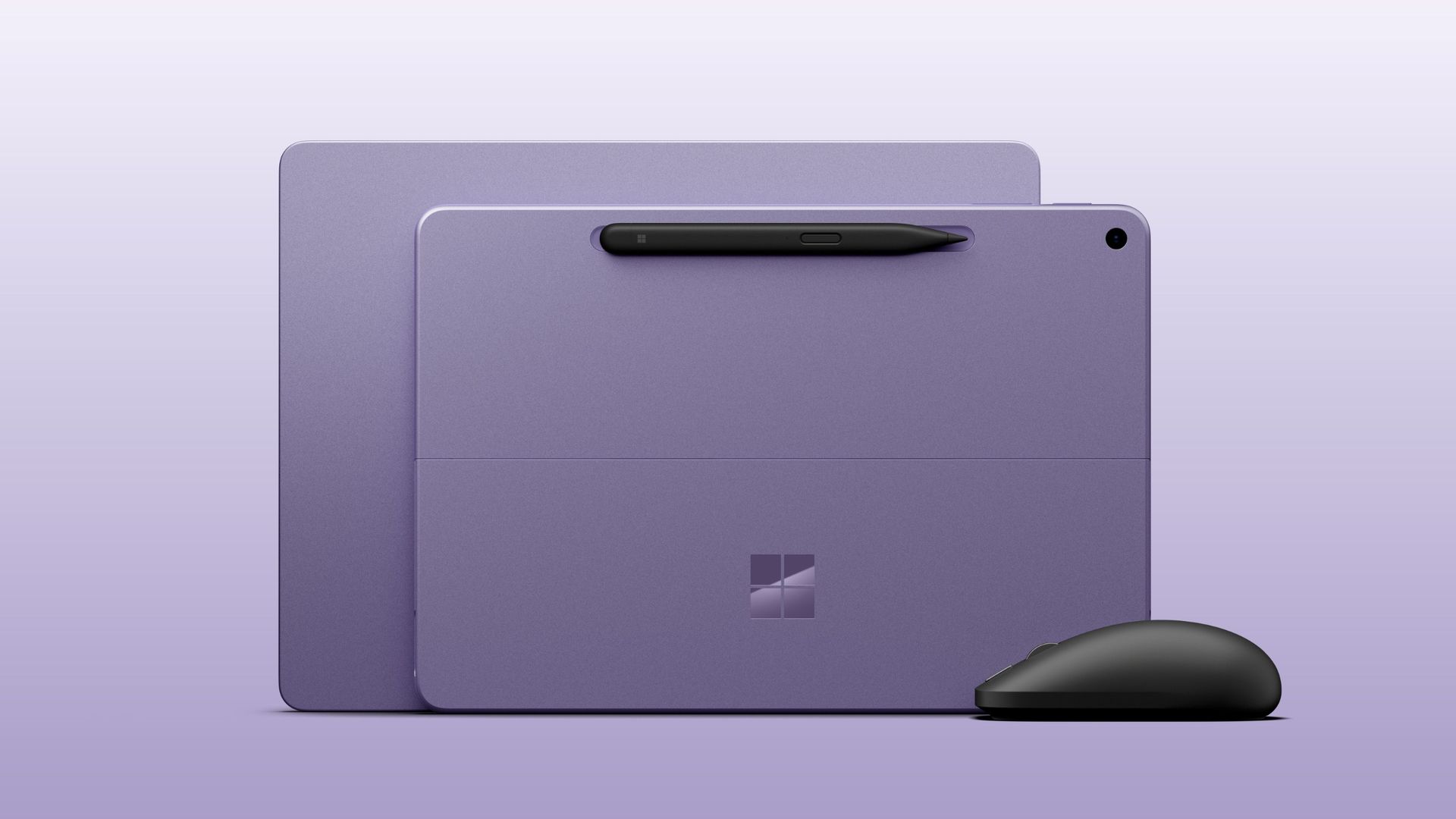
Microsoft Upgrades Surface Pro and Surface Laptop With Snapdragon X2 Plus Chips
Microsoft has refreshed its 12-inch Surface Pro and 13-inch Surface Laptop with Qualcomm Snapdragon X2 Plus processors, promising faster performance and improved efficiency for users seeking upgraded portable computing.
11 sources · today
YouTube Unveils AI Tools for Creators and Viewers at Made On YouTube 2026
YouTube introduced a suite of artificial intelligence features for creators and users, aiming to make video production, discovery, and interaction more personalized and efficient across its platform.
15 sources · today
OpenAI Urges US-Led Global Standards for AI Safety at United Nations
As AI systems rapidly advance, OpenAI CEO Sam Altman is calling for the US to lead global efforts in setting unified safety standards, warning that inconsistent rules could heighten international risks.
25 sources · over 3 days