
Nasdaq tumbles 5% as chip stocks slide after US midterms
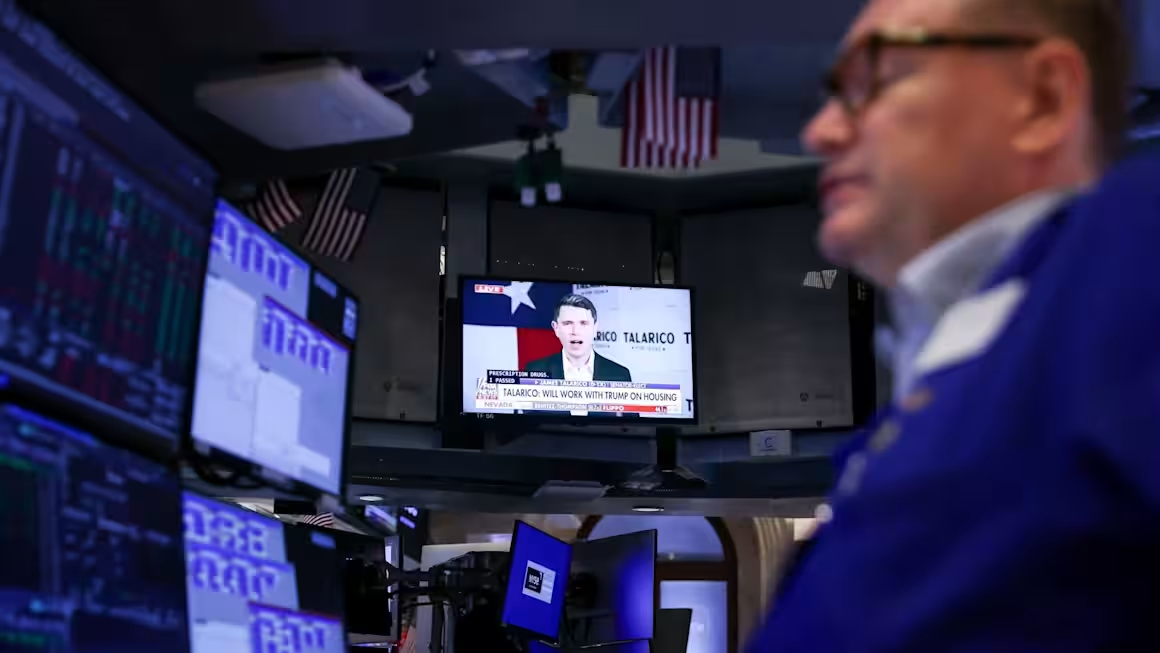
Democratic election victories have intensified concerns about the pace of artificial intelligence investment, driving a sharp reversal in US stocks after an initial post-election rally.
By Hushread Stories, from 57 outlets · First published 5 Nov 2026
In brief
- US stocks plunged after investors reassessed the midterm results and their possible implications for technology companies.
- The Nasdaq fell 5% as semiconductor shares slid and investors questioned whether heavy artificial intelligence investment could continue.
- The Dow Jones Industrial Average dropped 2.2%, or more than 1,200 points, during the broad market retreat.
- Democratic victories fueled concerns about slower data center expansion and potential AI regulation, unsettling chipmakers and other technology stocks.
- US tech shares partially rebounded Friday after the sell-off, but the recovery was weak compared with historic rebounds.
Timeline · 7 moments
US tech stocks stage partial recovery after sell-off
Financial Times ↗Nasdaq rises in early trading after tech rout
Financial Times ↗Tech selloff spreads to Asian and European markets
Deutsche Welle ↗S&P 500 suffers worst daily decline in over a year
NYTimes.com Home Page (U.S.) ↗Nasdaq tumbles 5% as chip rout intensifies
Financial Times ↗Semiconductor selloff deepens as investors question the AI trade
Bloomberg Technology ↗US stocks rally in initial response to midterm results
Yahoo Finance ↗Update 7 Nov 2026, 0:39 am UTC
Friday brought a partial recovery in US tech shares after the midweek sell-off, though the rebound was weak compared with historic recoveries, the Financial Times reported. The Forbes coverage also described tech stocks rising as investors reassessed fears about data center growth.
Update 6 Nov 2026, 6:36 pm UTC
The Thursday selloff spread to Asian and European markets on Friday, as investors worried that Democrats' midterm victories could slow data center expansion and bring tighter AI regulation, according to Deutsche Welle. The losses were followed by an early rebound in US tech shares, with the Nasdaq up 2.4% in early trading, the Financial Times reported.
How it started
The first market response to the US midterm elections was a rally. Stocks rose on Wednesday, November 4, before abruptly reversing course on Thursday, according to Yahoo Finance.
The reversal centred on artificial intelligence. Investors were already becoming more skeptical of the trade, and semiconductor shares extended a recent selloff after Democrats dominated the elections, Bloomberg Technology reported.
How it unfolded
By Thursday, November 5, concerns about the election's implications were weighing heavily on chipmakers. MarketWatch reported that Micron, Sandisk and other AI stocks were falling as Wall Street considered the prospect of a slower AI buildout.
The decline spread across the market. The Dow Jones Industrial Average fell 2.2%, or more than 1,200 points, as Thursday's selling erased Wednesday's gains, according to Yahoo Finance.
The technology-heavy Nasdaq tumbled 5%, the Financial Times reported. Investors were weighing the possible effects of a Democratic blue wave on sectors favoured by the Trump administration.
The potential dollar losses were substantial. Reuters reported that the Nasdaq 100 was facing a possible $1.8 trillion loss as the Democratic victory stirred fears of AI delays. That figure concerned the Nasdaq 100, rather than the broader Nasdaq measure.
Where it stands
The retreat had become more than a chip-stock story. The S&P 500 suffered its worst daily decline in more than a year, dragged down by technology shares and concerns about the durability of the AI buildout, according to NYTimes.com Home Page (U.S.).
The historical comparisons require care. Yahoo Finance described Wall Street as heading for its worst post-midterm day since 1896, while Reuters described the Nasdaq 100's potential loss. Those were developing-session assessments, not confirmed closing records.
What to watch
The central unresolved issue is whether the election results will translate into a slower AI buildout. MarketWatch described investors pricing in that prospect, but the supplied coverage does not identify a specific policy change or confirmed investment delay. The market reaction is clearer than the eventual effect on spending.
More in Business
All →
Karnataka Reports Ethanol Above E20 Limit in Petrol, Seeks Centre's Explanation
Karnataka says petrol samples contained up to 31.2% ethanol, above the 20% limit, prompting demands for a Union government explanation and relief for consumers.
10 sources · today
Anthropic Pushes Ahead With IPO as Investors Challenge $1.5 Trillion Valuation
Anthropic intends to list before Thanksgiving, but a sharp technology selloff and investor concerns about AI are putting pressure on its valuation and timetable.
15 sources · over 3 days
Paraguay's Peña Resigns, but Congress Continues Impeachment Proceedings
Congress put Santiago Peña's resignation on hold as his lawyers presented his defense to the Senate and lawmakers continued the impeachment case.
45 sources · over 4 days