
Neanderthal Shoulder Wound Points to Possible Wooden Spear Killing in Iraq
A hole in a 75,000-year-old shoulder blade could be early evidence of lethal spear violence, while other injuries suggest the same Neanderthal also experienced care.
By Hushread Stories, written with AI from 8 outlets · First published 16 Oct 2026
In brief
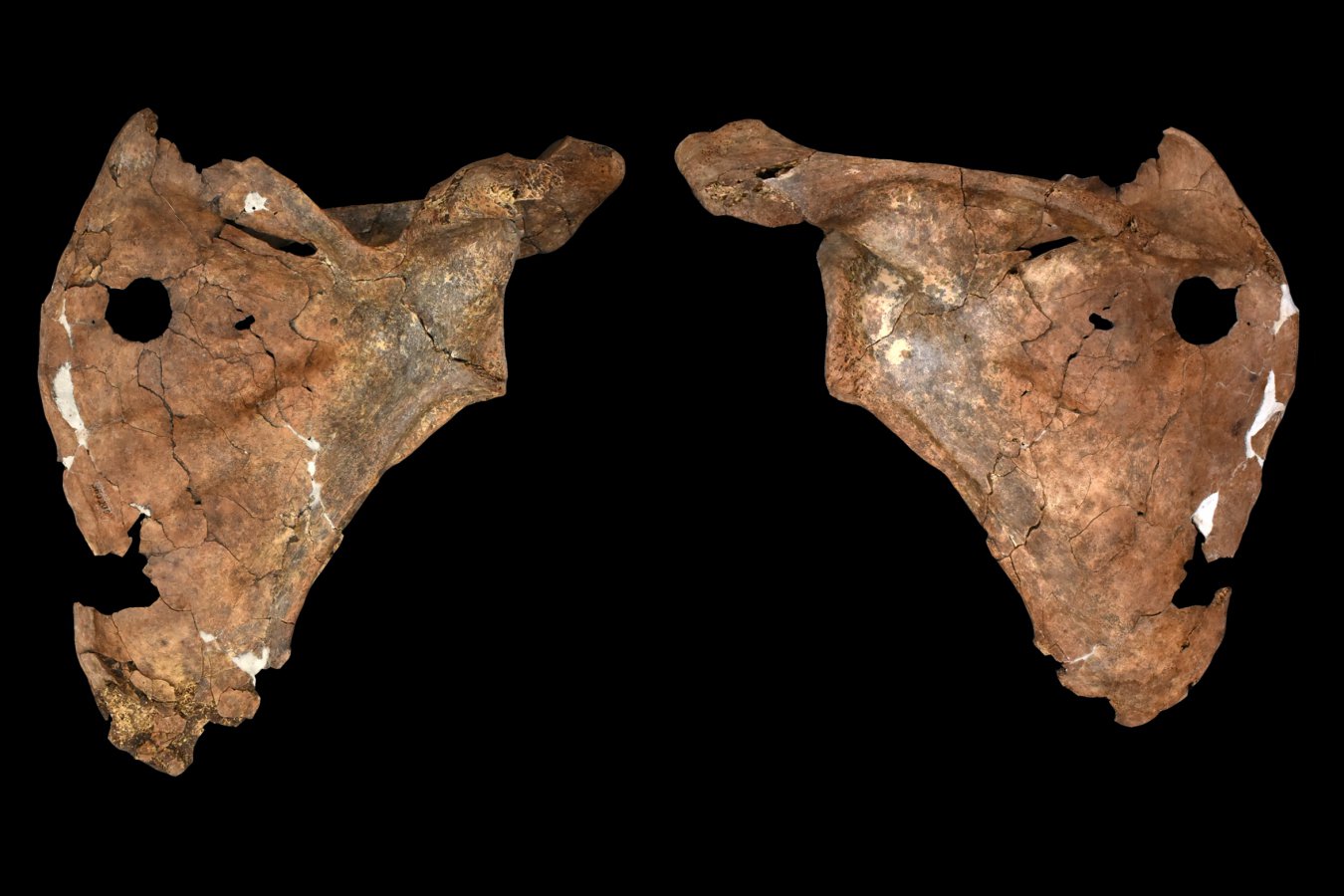
- Partial Neanderthal remains found in Iraq's Shanidar Cave include a shoulder blade pierced by a small round hole.
- Archaeologists say the 15mm wound may have been caused by a sharpened wooden spear passing through the chest.
- The remains date to 75,000 years ago and could provide unusually early evidence of lethal wooden spear violence.
- The individual also survived a severe facial injury for at least a year, raising the possibility of care.
- The proposed spear attack remains an interpretation, and the circumstances of the injury cannot be established with certainty.
Timeline · 5 moments
Earlier facial injury survival adds evidence of possible care
World News Headlines, Latest International News, World Breaking News - Times of India News ↗Wound identified as potentially earliest lethal wooden spear evidence
Phys.org ↗Entry angle and damage inform proposed spear explanation
Popular Science ↗Archaeologists describe a 15mm hole linked to a spear
BBC - Home ↗Recently discovered remains reveal a pierced shoulder blade
New Scientist ↗How it started
The evidence comes from partial Neanderthal remains found in Shanidar Cave in Iraqi Kurdistan. A round hole in the shoulder blade may record a lethal wooden spear attack, according to Phys.org.
The individual died about 75,000 years ago. The BBC reported that archaeologists identified a 15mm hole that could have resulted from a sharpened wooden spear striking through the chest.
How it unfolded
On October 15, New Scientist reported on the recently discovered remains, identifying the injured shoulder blade as belonging to Shanidar A. Its coverage showed front and back views of the hole attributed to a wooden spear.
The interpretation rests on more than the presence of a puncture. Popular Science reported that forensic details, including the entry angle and overall damage, informed the proposed spear explanation.
The possible significance is unusually early evidence of lethal violence involving a wooden weapon. Phys.org described the wound as potentially the earliest known example of lethal interpersonal violence with a wooden spear in a human ancestor.
On October 16, The Times of India reported another part of the individual's history: a severe facial injury survived for at least a year before the possibly fatal spear wound. That earlier survival raises the possibility that care and violence were both part of this Neanderthal's life.
Where it stands
The wooden spear explanation is a proposed reconstruction, not a complete account of the death. Live Science reported the archaeologists' interpretation of a spear passing through the chest, while acknowledging that exactly what happened is impossible to know.
The remains also offer a more complicated picture than violence alone. Discover Magazine highlighted a split tooth alongside the spear wound as evidence of possible care and violence in one individual's life. This case does not, by itself, establish how common violent encounters were among Neanderthals.
What to watch
The central open questions concern the circumstances of the wound and what the earlier injury reveals about support from others. The coverage presents a possible lethal attack and possible care, but does not establish who inflicted the wound or exactly how the individual survived the facial injury, according to Live Science and The Times of India.
More in Science
All →
Colossal Announces AI Tool to Advance Efforts to Revive the Dodo
The US biotechnology company says AI has identified genetic targets linked to dodo traits, advancing its research without yet demonstrating that the extinct bird can be recreated.
8 sources · today
Trump Awards National Medals of Science to Musk and Five Tech Leaders
Six technology leaders received the National Medal of Science and technology at a ceremony in Washington on Thursday.
19 sources · over 3 days
NASA's Crew-12 Returns to Earth After Eight Months in Space
Four crew members have returned from the International Space Station, ending nearly eight months of research and spacewalks, with NASA announcing a briefing to discuss the mission.
12 sources · over 2 days