
New Forensic Evidence Confirms Human Sacrifice in Ancient Egyptian Royal Tombs
Recent forensic analysis of 5,000-year-old skulls from Egypt's earliest royal tombs reveals violent deaths, offering new insight into ancient burial rituals and social structure.
By Hushread Stories, written with AI from 8 outlets · First published 5 Oct 2026
In brief
- Researchers studied 46 ancient skulls found in royal tombs at Abydos and Umm el-Qa'ab in Egypt.
- Forensic evidence shows that many individuals, likely servants, suffered fatal head injuries around the time of their rulers' deaths.
- These findings support long-standing theories that human sacrifices accompanied early Egyptian kings to the afterlife.
- The skulls date back more than 5,000 years, centuries before the construction of the Great Pyramid.
- Further research is expected to expand understanding of early Egyptian funerary practices and their societal impact.
Timeline · 4 moments
Analysis of ancient skulls supports sacrifice theory
Discover Magazine ↗Skull fractures found in ancient Egyptian servants' remains
World news | The Guardian News ↗Researchers confirm evidence of human sacrifice in First Dynasty burials
Phys.org ↗Forensic study reveals violent deaths among royal attendants
Popular Science ↗How it started
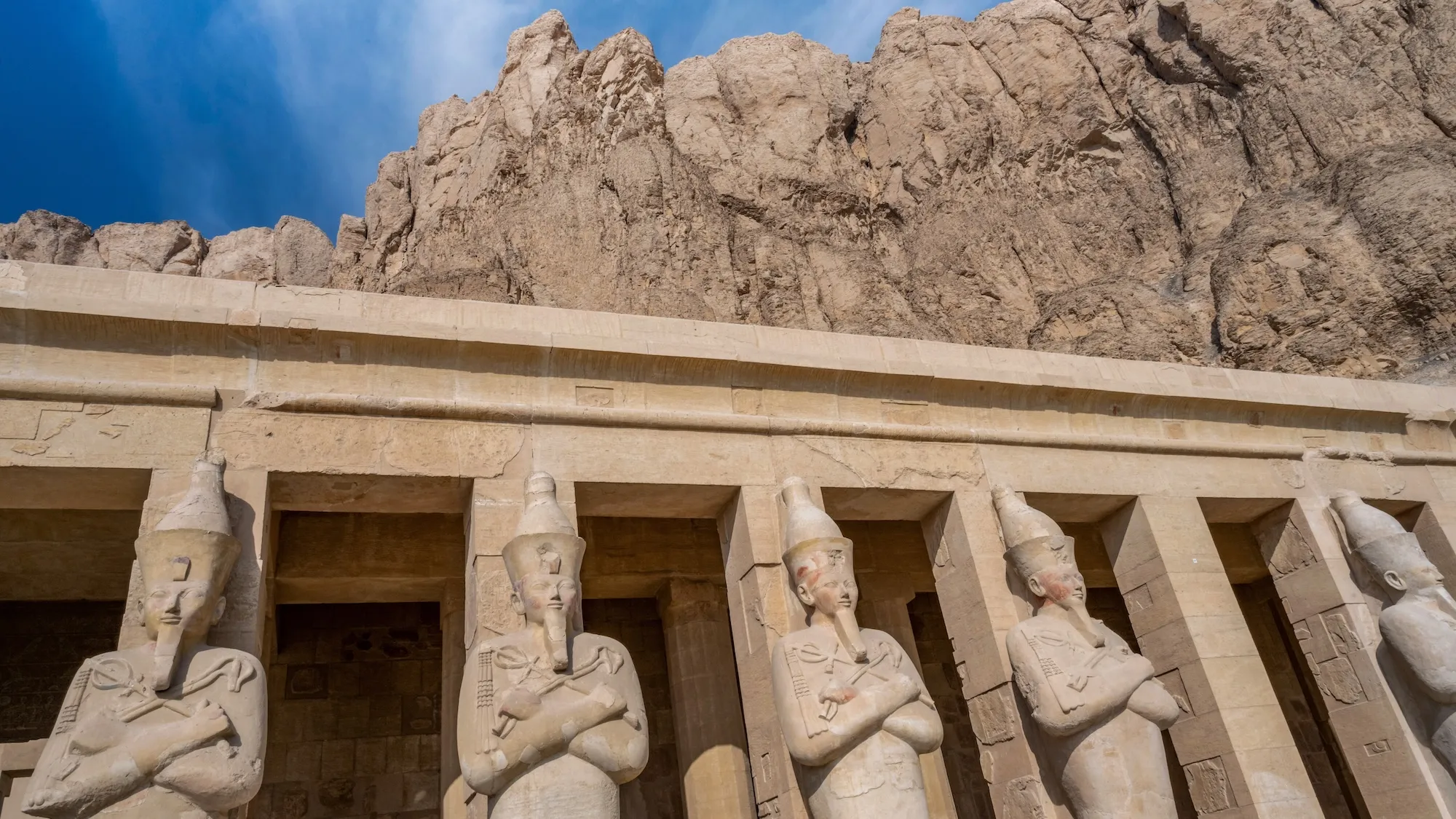
The idea that ancient Egyptians practiced human sacrifice during royal burials has been debated for decades. In the early 20th century, archaeologists found numerous graves of attendants and servants surrounding the tombs of Egypt's first kings at sites like Abydos. Some scholars speculated that these individuals might have been killed to serve their rulers in the afterlife.
For years, there was little concrete evidence to confirm these theories. Most explanations suggested natural deaths or voluntary burials. However, the question remained open as more ancient remains were uncovered in the royal cemeteries.
How it unfolded
On October 5, 2026, a new study was published analyzing 46 skulls from royal cemeteries dating back over 5,000 years. Using modern forensic techniques, researchers reexamined the remains of attendants buried near the earliest Egyptian pharaohs.
The study found clear evidence of violent head trauma in many of the skulls. According to Popular Science, these injuries were consistent with fatal blows, suggesting the individuals did not die of natural causes.
The Guardian News reported that the remains came from Umm el-Qa'ab, a royal burial ground. The findings appeared to confirm early Egyptologists' suspicions that court officials and craftspeople were killed to accompany their king.
Phys.org noted that these sacrifices occurred centuries before the construction of the Great Pyramid, during Egypt's First Dynasty. The timing and placement of the burials indicate the deaths likely happened at the same time as the royal funerals.
Other outlets, including DER SPIEGEL and Daily Mail, highlighted the forensic evidence of blunt force trauma, reinforcing the idea that these were not voluntary or symbolic deaths but rather deliberate sacrifices.
Where it stands
The new forensic findings have given strong support to the theory that human sacrifice was part of early Egyptian royal funerary customs. The evidence points to a systematic practice, at least in the earliest dynasties, of killing attendants to serve the deceased king in the afterlife.
Researchers are now reexamining additional remains from other royal cemeteries to see if similar patterns emerge. The discovery is changing how experts understand the development of Egyptian society and the role of ritual violence in state formation.
What to watch
Further studies are underway to analyze more remains from royal and high-status burials across Egypt. Researchers hope to determine whether human sacrifice continued in later dynasties or was limited to the earliest period. The findings may also prompt a reassessment of burial practices in other ancient cultures.
More in Science
All →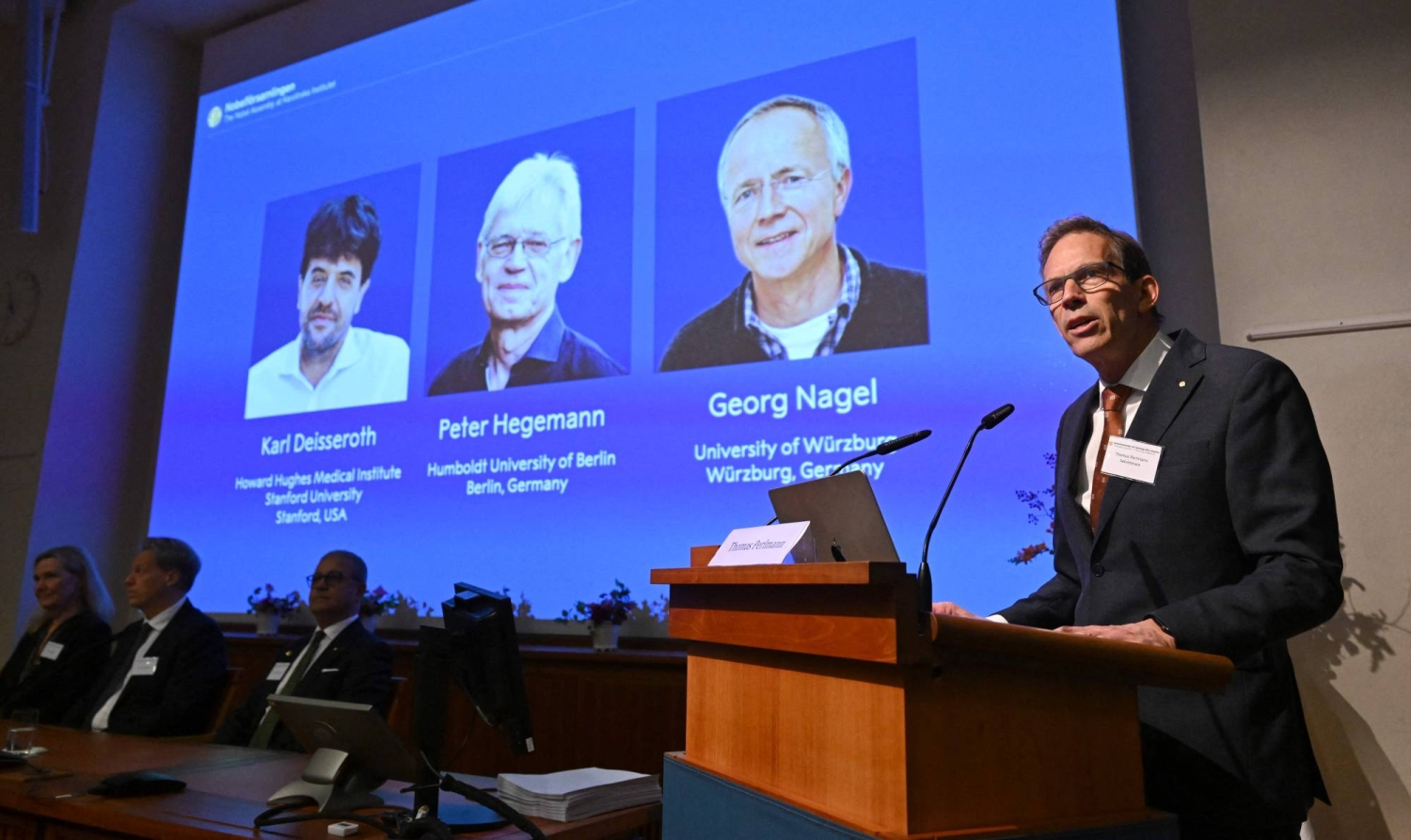
Nobel Prize in Medicine 2026 Honors Optogenetics Pioneers for Light-Gated Ion Channel Discoveries
Karl Deisseroth, Peter Hegemann, and Georg Nagel have been awarded the Nobel Prize in Medicine for their pioneering work in optogenetics, transforming neuroscience by enabling precise control of nerve cells with light.
9 sources · today
SpaceX Crew-13 Sets US Record Reaching ISS in Under 8 Hours
The Crew-13 team docked with the ISS in 7 hours and 55 minutes, marking the quickest US crewed flight to date.
21 sources · over 4 days
SpaceX Starship Reaches Orbit, Deploys Satellites, Ends Flight Early
SpaceX's Starship achieved orbit and deployed satellites but ended its first orbital flight early after a mid-mission engine problem.
56 sources · over 4 days