
Nobel Prize in Medicine 2026 Honors Optogenetics Pioneers for Light-Gated Ion Channel Discoveries
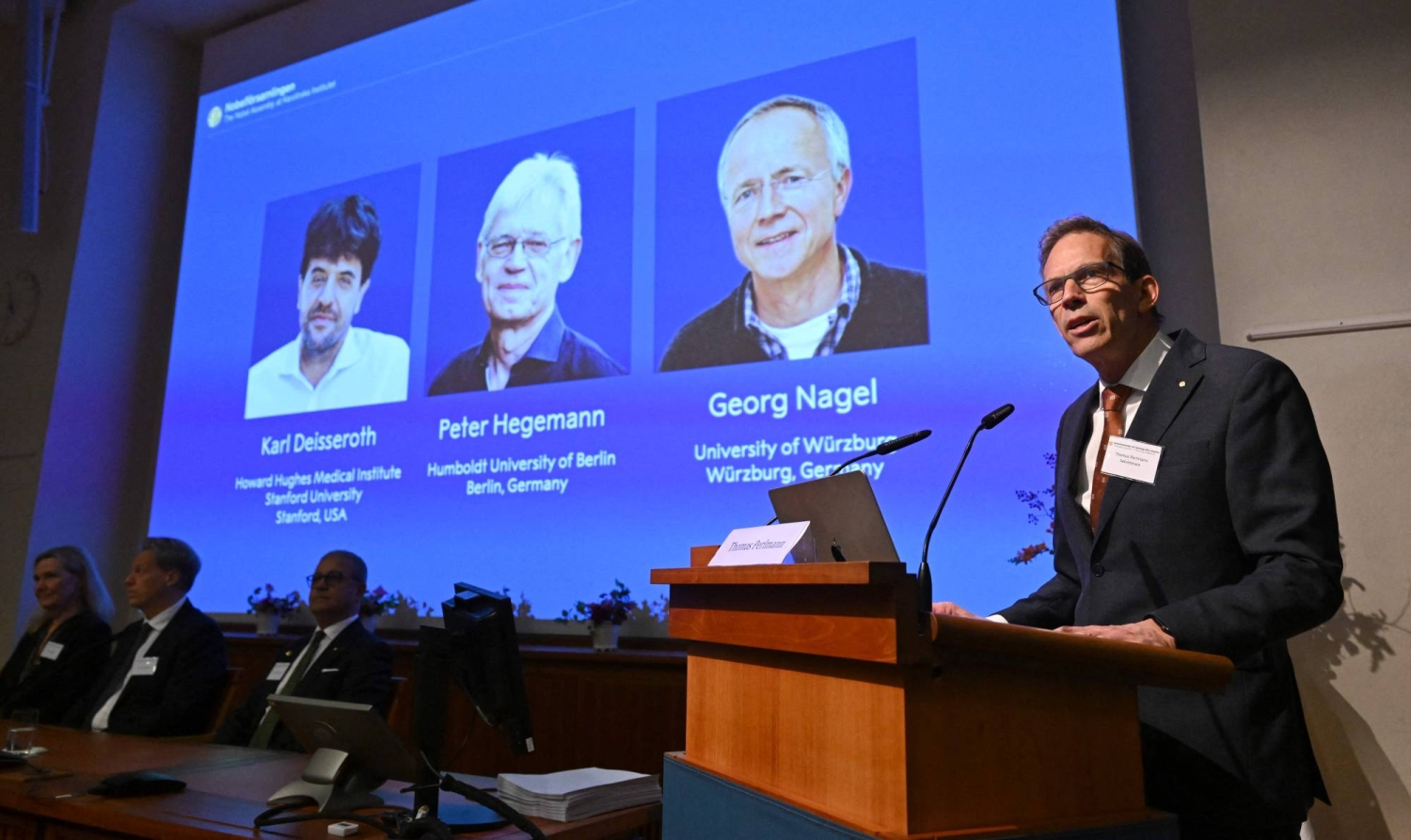
Karl Deisseroth, Peter Hegemann, and Georg Nagel have been awarded the Nobel Prize in Medicine for their pioneering work in optogenetics, transforming neuroscience by enabling precise control of nerve cells with light.
By Hushread Stories, written with AI from 9 outlets · First published 5 Oct 2026
In brief
- The Nobel Prize in Medicine for 2026 has been awarded to Deisseroth, Hegemann, and Nagel for optogenetics research.
- Their work centers on light-gated ion channels, which allow scientists to control nerve cell activity using light.
- Optogenetics has revolutionized neuroscience by enabling researchers to study brain circuits with unprecedented precision.
- The Nobel committee announced the award at the annual ceremony in Stockholm on October 5, 2026.
- This recognition is expected to spur further research and clinical applications in brain science and related fields.
Timeline · 4 moments
International recognition for optogenetics pioneers at Nobel ceremony
Deutsche Welle ↗Award highlights impact on controlling nerve cells with light
DIE ZEIT | Nachrichten, News, Hintergründe und Debatten ↗Deisseroth, Hegemann, and Nagel named Nobel winners for light-gated ion channels
Japan Times ↗Nobel Prize in Medicine 2026 announced for optogenetics research
ARD Tagesschau ↗How the discovery began
The story of optogenetics began in the early 2000s when scientists started exploring how certain proteins in algae could respond to light. Researchers including Karl Deisseroth, Peter Hegemann, and Georg Nagel realized that these light-sensitive proteins, known as ion channels, could be introduced into nerve cells. This allowed them to turn nerve cells on or off with flashes of light. Their initial experiments laid the foundation for a technique that would soon transform neuroscience.
The Nobel announcement and its context
On October 5, 2026, the Nobel Prize in Medicine was awarded to Deisseroth, Hegemann, and Nagel for their groundbreaking discoveries involving light-gated ion channels and optogenetics. The announcement was made in Stockholm as the Nobel Prize ceremony began, confirming speculation about the significance of their work. According to ARD Tagesschau, the prize recognizes fundamental advances that have enabled scientists to control and study the brain's complex circuits with unparalleled accuracy. Japan Times and India Today reported that the trio's discoveries have rapidly spread through neuroscience and biology, allowing for new ways to investigate diseases and develop treatments. News coverage highlighted how optogenetics lets researchers activate or silence specific neurons in living animals, offering new insights into conditions like Parkinson's disease, epilepsy, and depression.
Current impact and significance
Optogenetics is now a standard tool in neuroscience labs worldwide. The technique has opened up new possibilities for understanding how the brain works and for developing precise therapies for neurological and psychiatric disorders. The Nobel committee's decision underscores how far the field has come since the initial discovery. Researchers, clinicians, and patients are watching closely to see how this recognition might accelerate real-world applications, from advanced brain research to potential therapies for previously untreatable conditions.
Looking ahead
The Nobel Prize is expected to boost investment and interest in optogenetics and related research. Scientists are now focused on translating these discoveries into new treatments and exploring how light-controlled techniques could help manage or cure brain diseases that currently have limited options.
More in Science
All →
New Forensic Evidence Confirms Human Sacrifice in Ancient Egyptian Royal Tombs
Recent forensic analysis of 5,000-year-old skulls from Egypt's earliest royal tombs reveals violent deaths, offering new insight into ancient burial rituals and social structure.
8 sources · today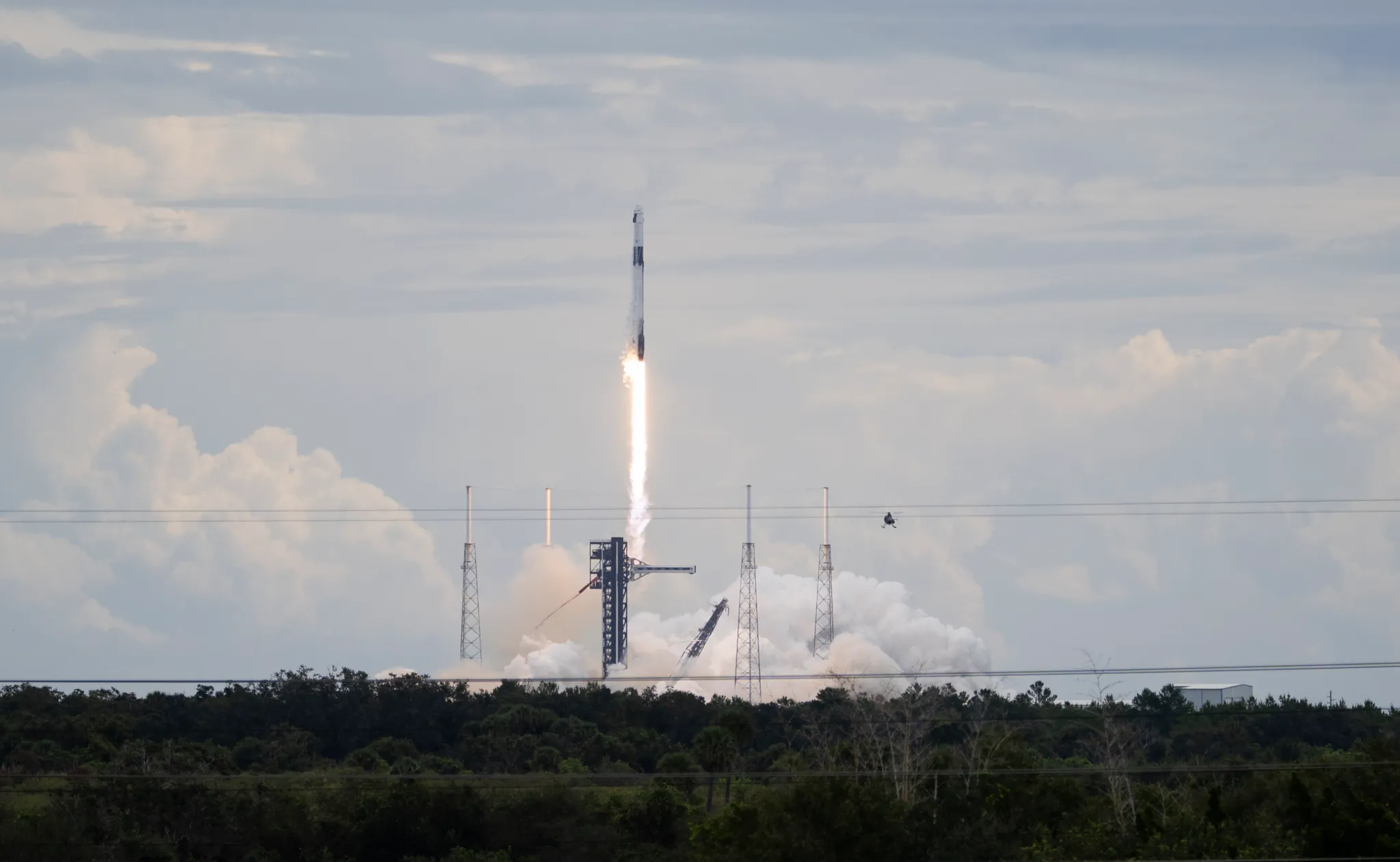
SpaceX Crew-13 Sets US Record Reaching ISS in Under 8 Hours
The Crew-13 team docked with the ISS in 7 hours and 55 minutes, marking the quickest US crewed flight to date.
21 sources · over 4 days
SpaceX Starship Reaches Orbit, Deploys Satellites, Ends Flight Early
SpaceX's Starship achieved orbit and deployed satellites but ended its first orbital flight early after a mid-mission engine problem.
56 sources · over 4 days