
Vulcan Rocket Fails Ten Minutes After Launch, Destroying 40 Amazon Leo Satellites
ULA says inadequate fuel supply to the engines caused the failure that cost 40 Amazon Leo satellites.
By Hushread Stories, from 38 outlets · First published 16 Nov 2026
In brief
- The Vulcan rocket failed about ten minutes after liftoff from Florida on Sunday, 15 November 2026.
- All 40 Amazon Leo broadband satellites on board were lost and none reached orbit.
- Coverage describes it as ULA's first total mission failure since the company was formed in 2006.
- ULA says inadequate fuel supply to the rocket's engines caused the failure, and Blue Origin's engines appear cleared for now.
- ULA is continuing its investigation and has not announced a date for the rocket's next flight.
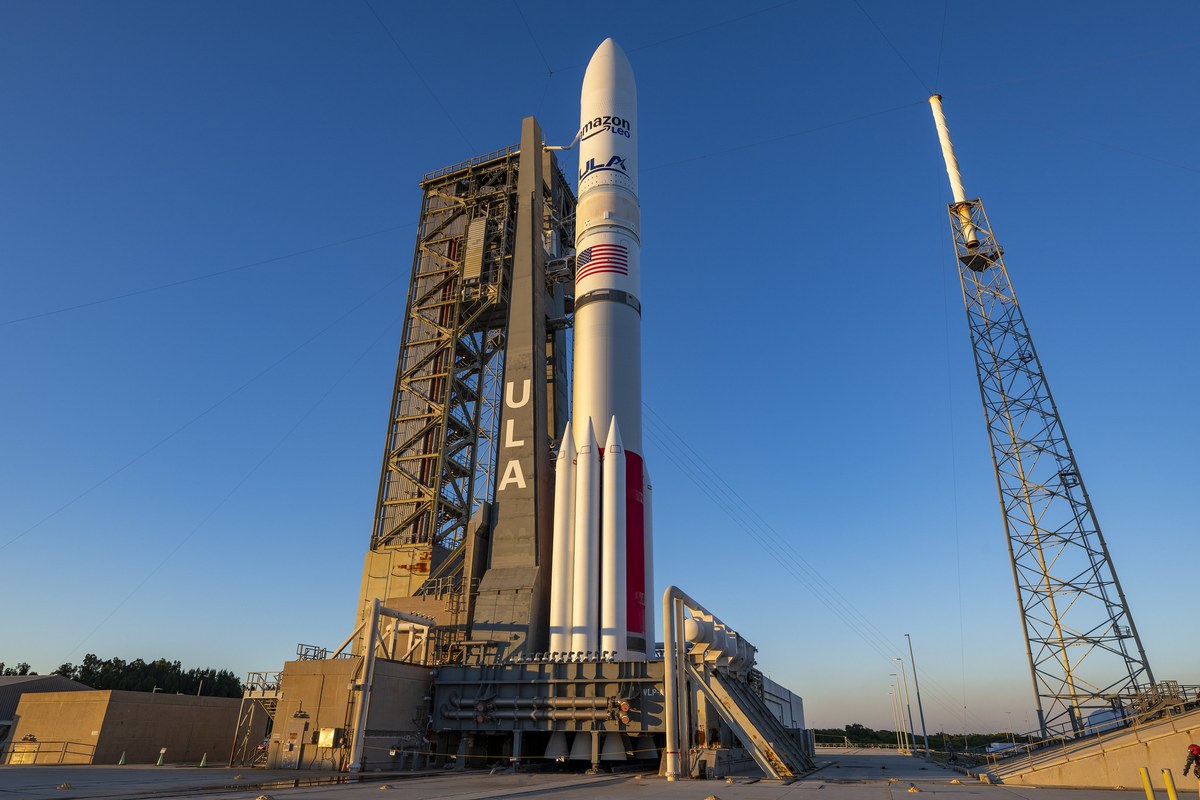
Timeline · 13 moments
Findings point to fuel supply, not Blue Origin engines
GeekWire ↗ULA says inadequate fuel supply caused Vulcan failure
Ars Technica ↗ULA says Vulcan lacked thrust to reach orbit
The Register ↗ULA says first-stage booster anomaly caused Vulcan failure
Space.com Space ↗ULA confirms telemetry lost early in return-to-flight launch
Ars Technica Tech ↗Early data points to first stage underperforming in Vulcan failure
GeekWire ↗Amazon says cause of Vulcan failure remains unclear
TechRadar ↗Vulcan failure described as ULA's first total mission loss
The Next Web ↗Amazon loses first batch of Leo satellites in Vulcan failure
The Register ↗ULA's first outright failure, a major industry setback
CBS Top Stories ↗Update 18 Nov 2026, 9:34 pm UTC
ULA said on Wednesday, 18 November, that the Vulcan failure was caused by inadequate fuel supply to the engines, according to Ars Technica. GeekWire reported that the latest findings point to fuel supply rather than Blue Origin's BE-4 engines, which appear to be cleared for now. The headline and key points are updated to reflect that the cause is now identified, though the investigation continues and no return-to-flight date has been announced.
Update 18 Nov 2026, 0:44 pm UTC
ULA now says the failure began with a first-stage booster anomaly, and its initial assessment is that the booster simply did not produce enough thrust to put the payload on course. The Register reported that the mission lost its Amazon Leo payload on what was meant to be the rocket's return to flight. Space.com reported that the anomaly began just after liftoff, not at the ten-minute mark that the original piece emphasized. The headline and key points still hold on the loss of 40 satellites and the investigation, so only the timing and cause details are updated.
Update 17 Nov 2026, 6:20 pm UTC
New reporting has narrowed the likely cause. GeekWire said early data suggests the first stage underperformed, and Ars Technica reported that ULA confirmed the return-to-flight launch began failing during the early stages of the mission, with telemetry lost. The investigation is described as complex, and no official cause has been announced yet. The headline and core facts still hold, so no correction to the title is needed.
Update 16 Nov 2026, 8:10 pm UTC
Coverage since the original piece adds little new hard information. TechRadar reported that it is still not clear what caused the Vulcan failure, and Tom's Hardware and Xataka largely repeat the loss of the 40 Amazon Leo satellites. Earther confirmed this was ULA's first total mission failure in its 20-year history. No new cause, return-to-flight date or change in the headline's core facts has emerged, so the existing headline and key points still stand, with the cause wording tightened to match what is reported.
Update 16 Nov 2026, 2:04 pm UTC
The newer coverage mostly confirms the original account rather than changing it. DER SPIEGEL and HVG both report that the Vulcan launch failed and that the 40 Amazon Leo satellites were lost, and The Next Web repeats that ULA is investigating. No new cause has been officially identified, and the coverage still gives no return-to-flight date, so the published headline and key points stand as written.
Update 16 Nov 2026, 7:58 am UTC
Coverage published on 16 November 2026 adds detail but does not change the core facts already in the piece. The South China Morning Post, The Register and NDTV all confirm that the rocket failed about ten minutes after liftoff and that all 40 Amazon Leo satellites were lost. The Register described it as the first batch of Amazon's broadband satellites lost on this custom rocket. The Financial Times-style reporting of a cause remains unconfirmed, and no return-to-flight date has been announced. The headline and key points still hold, so no change is needed to the title.
How it started
United Launch Alliance, the joint venture of Boeing and Lockheed Martin, built Vulcan as its new workhorse rocket to compete with SpaceX in the commercial launch market. Its customers include Amazon, which is building a satellite internet network called Leo to rival Starlink.
Sunday's mission was meant to be a fresh start. GeekWire noted that Vulcan lifted off for the first time in nine months, and the flight was billed as a return to flight. On board were 40 Amazon Leo satellites.
How it unfolded
Vulcan lifted off on Sunday, 15 November 2026. About ten minutes into the flight, the rocket suffered what officials called an anomaly, according to the New York Post. The New York Post also described the result as a total mission failure.
The satellites did not reach orbit. The Verge reported that all 40 Amazon Leo satellites were lost, and CBS said it was the first outright failure for ULA.
Ars Technica reported that the loss was ULA's first total mission failure since the company formed in 2006. The same outlet said sources point to the booster stage, whose two Blue Origin BE-4 engines are under scrutiny. That detail comes from unnamed sources, and other coverage so far describes only an unspecified anomaly.
The timing makes it sting. The Defiant reported that Amazon had planned a second Vulcan mission within weeks of a successful debut.
Where it stands
ULA now faces an investigation into what went wrong, and The Defiant said the company has given no return-to-flight date. The cause has not been officially identified in the coverage available.
Business Line framed the failure as a major setback for the Boeing-Lockheed Martin venture as it seeks regular launches for Amazon's constellation. GeekWire called it a new setback for Amazon's Starlink rival, and Ars Technica said it deals a major blow to SpaceX competitors.
What to watch
The first question is the cause. Reporting so far points toward the booster and its BE-4 engines, but that rests on sources, and the investigation will decide whether it holds.
The second is the schedule. With no return-to-flight date, both ULA's launch cadence and Amazon's plans for further Leo deployments are uncertain.
More in Science
All →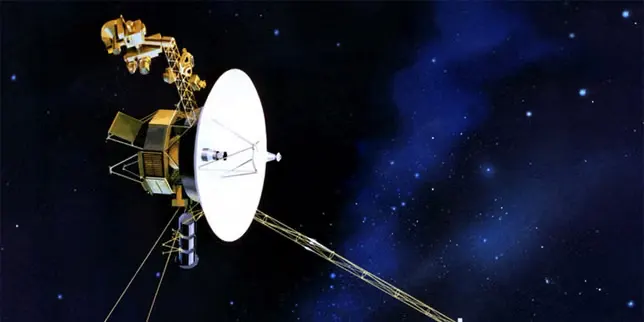
Voyager 1 Reaches One Light-Day From Earth, a First for Any Human-Made Object
Nearly 49 years after launch, the 1977 probe is now so far away that a radio signal takes a full day to reach it, a distance no spacecraft has matched.
56 sources · over 5 days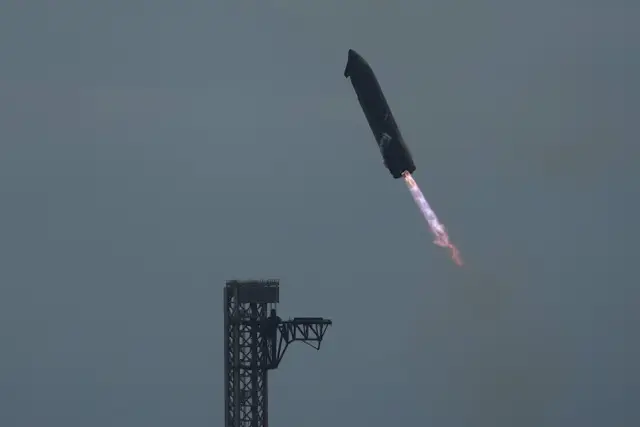
SpaceX Catches Starship Upper Stage at Texas Tower, But Booster Is Lost
The ship returned to the launch tower after 14 orbits in a first for the program, while the Super Heavy booster was not recovered.
73 sources · over 5 days
Siberian Tomb Reveals Earliest Direct Evidence of Cannabis Intoxication
Chemical traces in ancient hair and seeds from a Siberian burial site link cannabis use to a sacrificial setting, offering new evidence about rituals roughly 2,800 years ago.
17 sources · over 4 days