
Siberian Tomb Reveals Earliest Direct Evidence of Cannabis Intoxication
Chemical traces in ancient hair and seeds from a Siberian burial site link cannabis use to a sacrificial setting, offering new evidence about rituals roughly 2,800 years ago.
By Hushread Stories, from 17 outlets · First published 5 Nov 2026
In brief
- Archaeologists report the earliest known direct evidence of psychoactive cannabis use in a 2,800-year-old tomb at Tunnug 1 in Siberia.
- The tomb belonged to a prince, and researchers found more than 1,000 cannabis seeds and traces in human hair.
- The burial dates to about 2,800 years ago and is associated with the ancient Scythian culture.
- The tomb's funerary context included evidence of human and horse sacrifices.
- Researchers suggest cannabis may have been used for its intoxicating effects in rituals, but its specific purpose is uncertain.
Timeline · 8 moments
Coverage reports evidence of ritual THC use
CNN Brasil ↗New coverage identifies the site as Tunnug 1
Times of India Top Stories ↗Researchers report hair traces and roughly 1,000 seeds
Latest Science News -- ScienceDaily Science ↗Report details more than 1,000 seeds in Scythian tomb
La Repubblica ↗Reports give differing ages for the ancient tomb
Popular Science ↗Seeds in grave add to chemical evidence from hair
Live Science ↗Braided hair samples yield traces at Siberian burial mound
Gizmodo Tech ↗Study reports earliest direct evidence of psychoactive cannabis use
404 Media ↗Update 9 Nov 2026, 10:38 am UTC
The new coverage adds the site name, Tunnug 1, and identifies the tomb as a prince's burial. It continues to describe the find as evidence of ritual cannabis use, while the specific purpose remains uncertain.
Update 8 Nov 2026, 11:30 am UTC
New coverage adds that researchers found roughly 1,000 cannabis seeds in the 2,800-year-old tomb, alongside chemical evidence in human hair supporting use for intoxicating effects. The findings are reported in a study published in Science; the ritual purpose remains uncertain.
Update 6 Nov 2026, 5:46 pm UTC
New coverage continues to describe the finding as the oldest evidence of cannabis use for intoxicating effects in a 2,800-year-old Siberian tomb. It adds no material change to the published account or its uncertainty about the purpose of the cannabis.
How it started
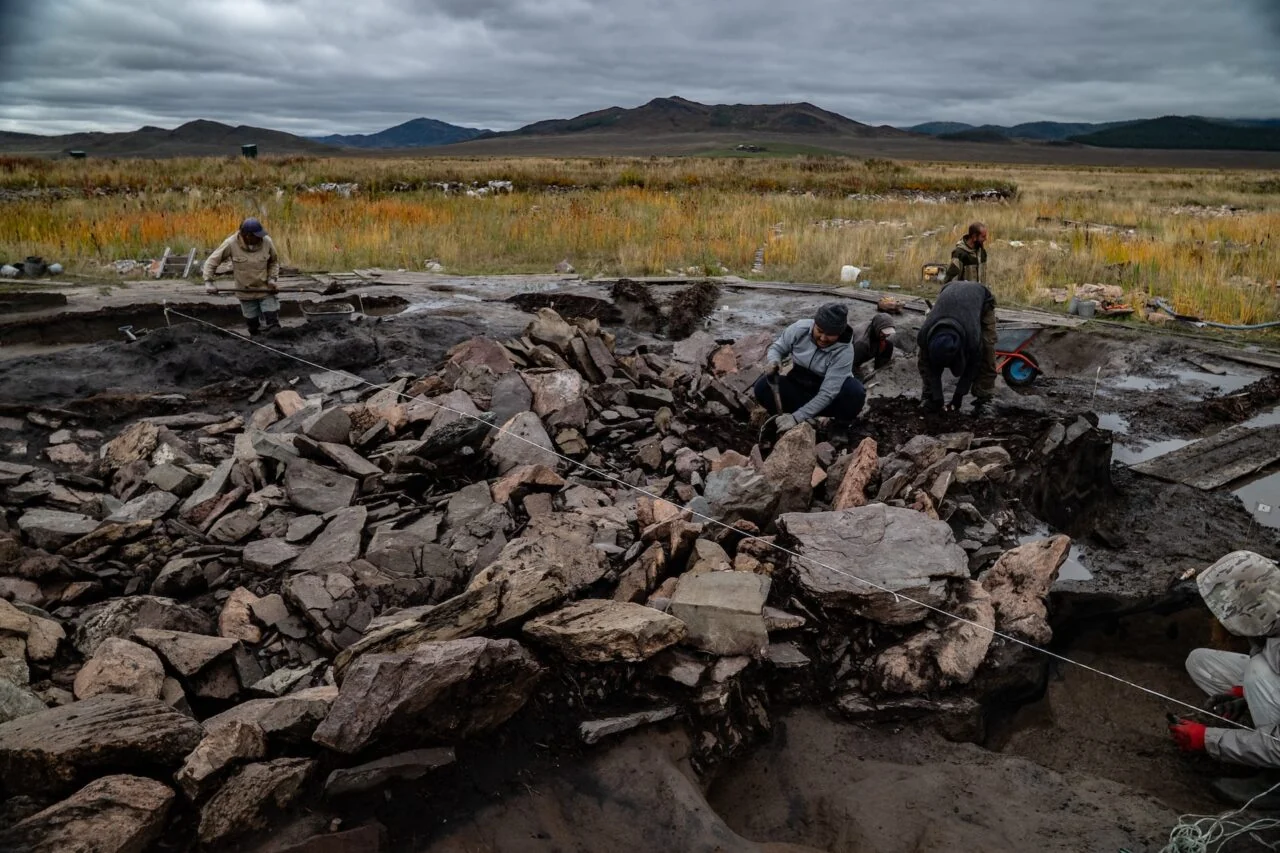
The discovery comes from a burial mound in Siberia's "Valley of the Kings." Archaeologists found trace evidence of cannabis use in braided hair recovered from the site, along with seeds, according to Gizmodo Tech.
The distinction is between using cannabis as a material and consuming it for its psychoactive effects. Popular Science reported that evidence of cannabis use across ancient cultures often concerns hemp and other non-psychoactive products. The new findings are being presented as direct evidence of intoxication.
How it unfolded
On November 5, 2026, 404 Media reported that a study published that day described the oldest direct evidence of psychoactive cannabis use. The tomb was also the site of human and horse sacrifices.
The physical evidence includes chemical traces of the drug in mummy hair and plant seeds in the grave, according to Live Science. Those findings connect cannabis use to people buried at the site, rather than simply documenting the presence of the plant.
Gizmodo Tech placed the burial mound in the eighth century BCE and described the hair samples as braided. Its coverage linked the discovery to horseback-riding Siberian nomads.
The reports differ on the tomb's age. Scientific American Content: Global Science described burial rituals dating back 2,800 years, while Popular Science called the site a 2,700-year-old royal tomb. The supplied coverage does not resolve that difference.
Where it stands
The central finding is being reported as the earliest direct evidence of human marijuana use, according to Scientific American Content: Global Science. Its importance lies in evidence of consumption in a burial setting, not simply the discovery of cannabis nearby.
The purpose is less certain. Live Science raised the possibility that cannabis helped calm human sacrifice victims. That is a proposed explanation, not an established account of what happened.
What to watch
The main open question is how cannabis fitted into the burial rituals. The sacrificial context reported by 404 Media and the possible calming role described by Live Science leave its precise purpose unresolved. The supplied reports do not identify a scheduled next stage of research.
More in Science
All →
ISRO Launches NVS-03, Restoring NavIC's Four-Satellite Operational Status
The successful GSLV-F18 launch restored NavIC to standalone operational status, while ISRO plans two more navigation satellites to bolster the constellation.
16 sources · over 5 days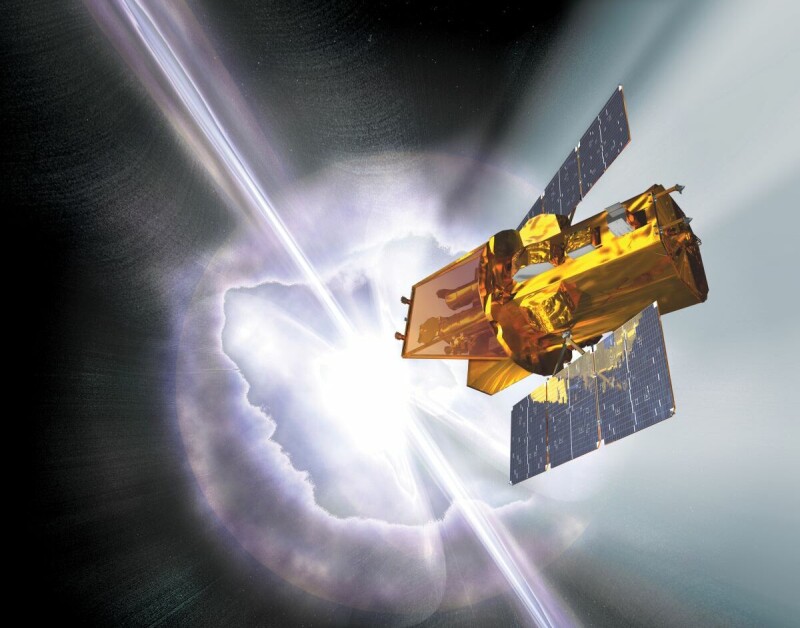
NASA's Swift Observatory Ends Mission as Uncontrolled Reentry Draws Near
After nearly 22 years observing cosmic explosions, Swift has stopped science operations, and a failed rescue effort has left the telescope descending toward an uncertain reentry.
17 sources · over 7 days
Japan launches first mission to return Martian moon samples
An H3 rocket carried the MMX probe from Tanegashima Space Center on a mission to explore Phobos and return samples by 2031.
48 sources · over 7 days