
ISRO Launches NVS-03, Restoring NavIC to Standalone Operational Status
ISRO's October 30 launch placed NVS-03 in orbit and restored NavIC to a four-satellite, standalone operational status, according to News.
By Hushread Stories, from 16 outlets · First published 30 Oct 2026
In brief
- ISRO launched NVS-03 aboard GSLV-F18 from Sriharikota at 11.51 pm on October 30, 2026.
- The launch restored NavIC to a four-satellite, standalone operational status, according to new coverage.
- NVS-03 is the third satellite in the next-generation NavIC series, intended to maintain regional navigation services.
- The satellite has a 12-year mission life and carries an indigenous atomic clock alongside procured atomic clocks.
- The launch followed an earlier NVS satellite setback; new coverage reports restored operational status, not full readiness details.
Timeline · 7 moments
NVS-03 restores NavIC to four-satellite minimum configuration
Times now ↗NVS-03 launch restores NavIC to standalone status
News ↗NVS-03 successfully placed in orbit, boosting NavIC constellation
Times of India India ↗GSLV-F18 lifts off carrying NVS-03 at 11.51 pm
Times now ↗Sriharikota's second launch pad readied for late-night departure
NDTV Top Stories ↗Third next-generation NavIC satellite aims to support service continuity
Business Line - Home ↗Prelaunch coverage highlights NVS-03's homegrown atomic clock
Swarajya ↗Update 31 Oct 2026, 1:53 pm UTC
News reports that NVS-03 restored NavIC to a four-satellite, standalone operational status. This adds a claim of operational status beyond the launch and orbital placement reported earlier.
Update 31 Oct 2026, 4:47 am UTC
Coverage now says the launch restored NavIC to its minimum operational configuration of four satellites, moving beyond the earlier account that launch success did not establish service readiness. The Hindu reports a 12-year mission life and says NVS-03 carries an indigenous atomic clock alongside procured clocks.
How it started
NVS-03 was prepared as another step in strengthening NavIC, India's regional navigation system. The mission aims to bolster an indigenous alternative to the US-owned GPS and reduce reliance on it, according to Deutsche Welle.
The satellite is the third in the next-generation NavIC series. Business Line reported that it was intended to strengthen positioning services after the NVS-02 setback. Pre-launch coverage by Swarajya also highlighted its homegrown atomic clock.
How it unfolded
On October 28, Indian Express reported that ISRO planned to launch NVS-03 on Friday, October 30. The planned rocket was GSLV-F18.
On October 29, Mint reported a scheduled launch time of 11.51 pm from Sriharikota. Its coverage described the satellite's purpose as supporting continuity of India's regional navigation services.
On October 30, NDTV identified the departure point as the second launch pad at the Satish Dhawan Space Centre in Sriharikota, Andhra Pradesh.
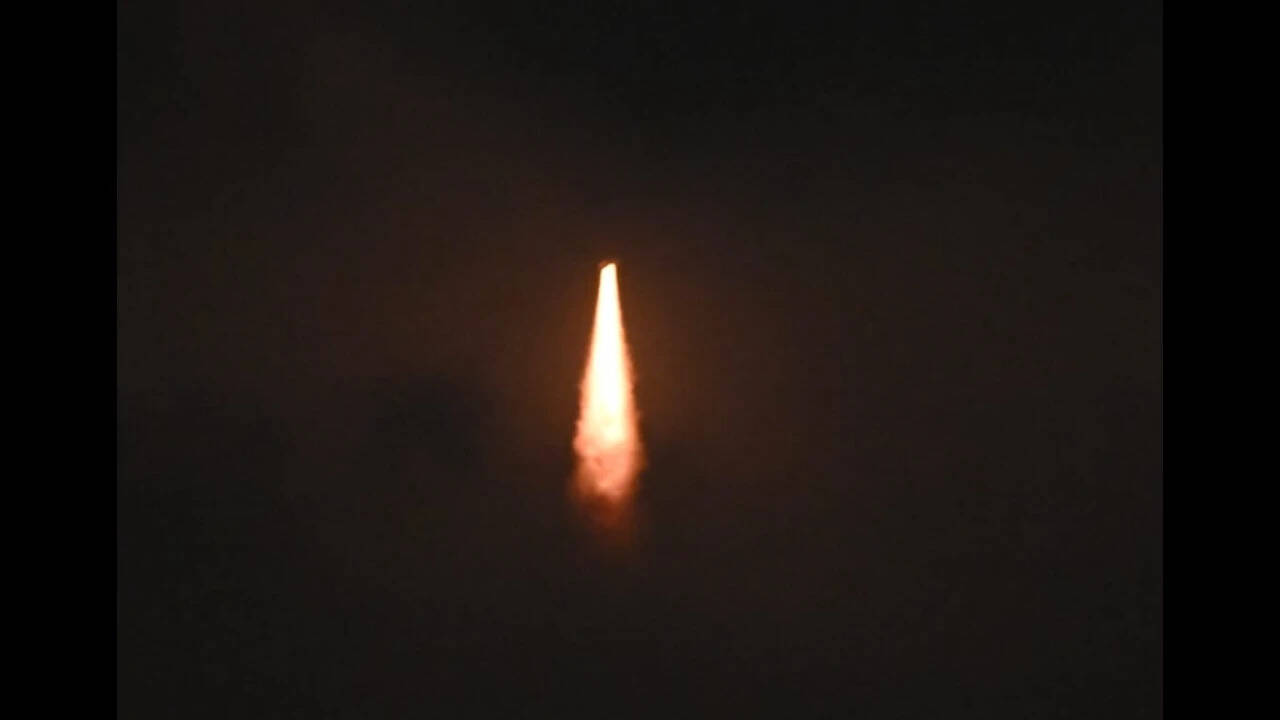
The rocket lifted off at 11.51 pm as scheduled, according to Times Now. Times of India subsequently reported that the mission had successfully placed the 2,250 kg satellite in orbit.
Where it stands
The story has moved from launch preparations to a successful orbital placement. Times of India described the mission as a boost to the NavIC constellation.
That establishes launch success, rather than the satellite's readiness to provide operational navigation services. The supplied coverage does not confirm that NVS-03 has entered service or specify when that will happen.
More in Science
All →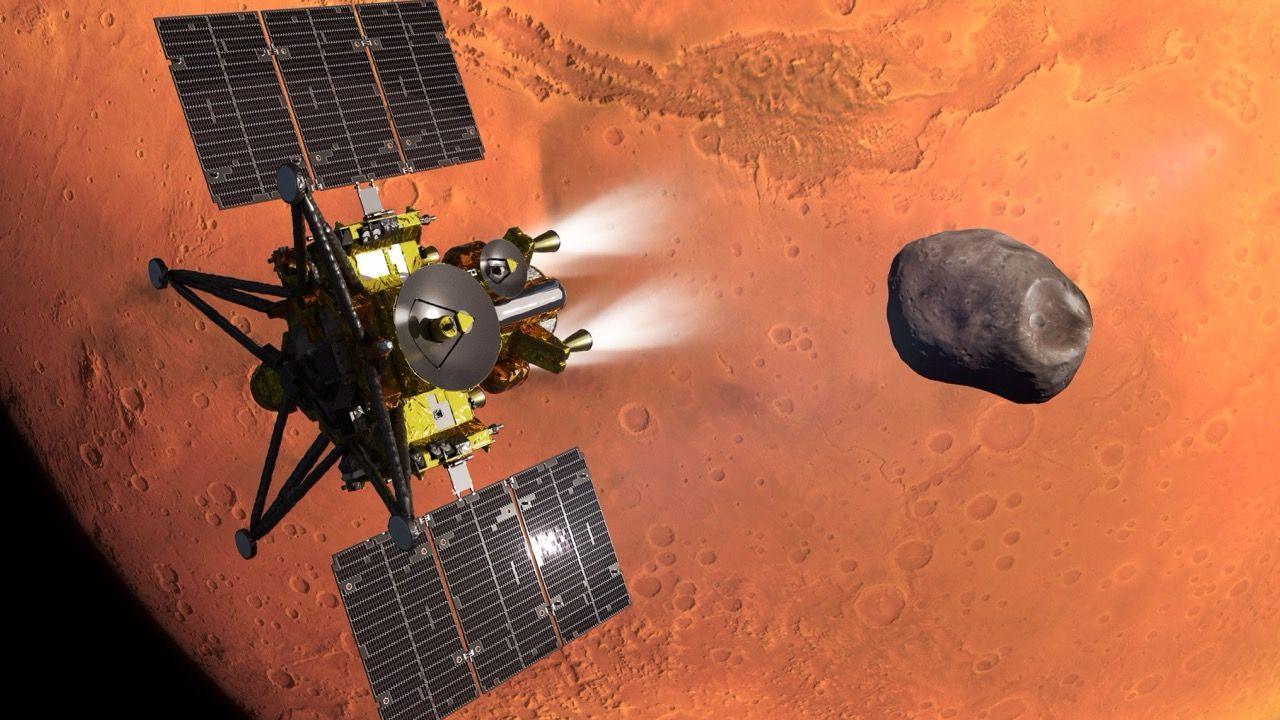
Japan launches first mission to return Martian moon samples
An H3 rocket carried the MMX probe from Tanegashima Space Center on a mission to explore Phobos and return samples by 2031.
48 sources · over 7 days
Amelia Earhart expedition ends after suspected plane wreckage proves to be trees
Researchers have left Nikumaroro without finding Amelia Earhart's plane, after investigating a satellite image anomaly that raised hopes of solving her 1937 disappearance.
19 sources · over 8 days
Margaret Hamilton, Who Led Apollo Software Development, Dies at 90
MIT has announced the death of Margaret Hamilton, whose leadership in Apollo software development helped make the moon missions possible and established her place in computing history.
23 sources · over 4 days