
Amelia Earhart expedition ends after suspected plane wreckage proves to be trees
Researchers have left Nikumaroro without finding Amelia Earhart's plane, after investigating a satellite image anomaly that raised hopes of solving her 1937 disappearance.
By Hushread Stories, written with AI from 17 outlets · First published 19 Oct 2026
In brief
- A US expedition to Nikumaroro has ended without conclusive evidence of Amelia Earhart's missing plane.
- The 17 researchers investigated an object in satellite imagery that they hoped could be aircraft wreckage.
- Researchers said the suspected wreckage was likely large trees that washed away, leaving one branching segment.
- Stormy weather suspended the search for three days before researchers could resume work at the remote island.
- The expedition leaves Earhart's disappearance unresolved, with no confirmed aircraft remains and no announced followup mission.
Timeline · 7 moments
Suspected aircraft wreckage turns out to be trees
CBS Top Stories ↗Search resumes after storms force three days off
BBC World ↗Severe weather challenges the expedition's 17 researchers
CBS Top Stories ↗Museum releases historical aerial photographs of Nikumaroro
World news | The Guardian News ↗Researchers believe a discovery could be days away
CBS Top Stories ↗Large crabs prevent expedition members from sleeping ashore
Gizmodo Tech ↗Researchers reach remote island to inspect possible wreckage
BBC - Home ↗How it started
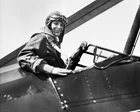
Amelia Earhart vanished in 1937 while flying around the world, according to the BBC. She and her navigator Fred Noonan disappeared as she sought to become the first woman to fly around the Earth, CBS reported.
This expedition focused on Nikumaroro, a remote Pacific atoll. Researchers were drawn there by satellite imagery showing what was described as a metallic glint in the waters off the uninhabited island, according to The Guardian. The question was whether that object could be the missing aircraft.
How it unfolded
On October 12, the BBC reported that researchers had arrived at the island to inspect possible plane wreckage. The report identified the group as coming from the Archaeological Legacy Institute; later coverage from CNN Brasil described the expedition as involving Purdue University researchers.
Conditions complicated the search. Gizmodo reported on October 13 that the island's large, meat-eating crabs prevented expedition members from sleeping ashore.
Hopes remained high on October 15, when CBS reported that researchers believed they might be days away from finding the plane. By October 16, its coverage described a 17-member team facing severe weather challenges, according to CBS.
Historical material also emerged during the expedition. On October 16, The Guardian reported that a New Zealand museum had released nearly 50 photographs from a 1938 aerial survey of Nikumaroro. The images offered possible clues, not proof of a crash.
On October 18, the BBC reported that searching had resumed after stormy weather put the expedition on hold for three days. The following day, CBS reported the researchers' assessment: the object they had hoped was the aircraft was "likely a collection of large trees" that had washed away, leaving a "single Y-shaped segment."
Where it stands
The expedition has concluded without finding conclusive evidence of Earhart's plane, according to NBC News. Its report described the satellite anomaly as most likely "a collection of debris," while The Guardian reported that researchers had left the atoll empty-handed after identifying the suspected wreckage as trees.
That finding closes off the expedition's immediate lead. It does not establish what happened to Earhart and Noonan, or where their aircraft ultimately came to rest. The provided coverage identifies no confirmed wreckage or announced followup mission.
More in Science
All →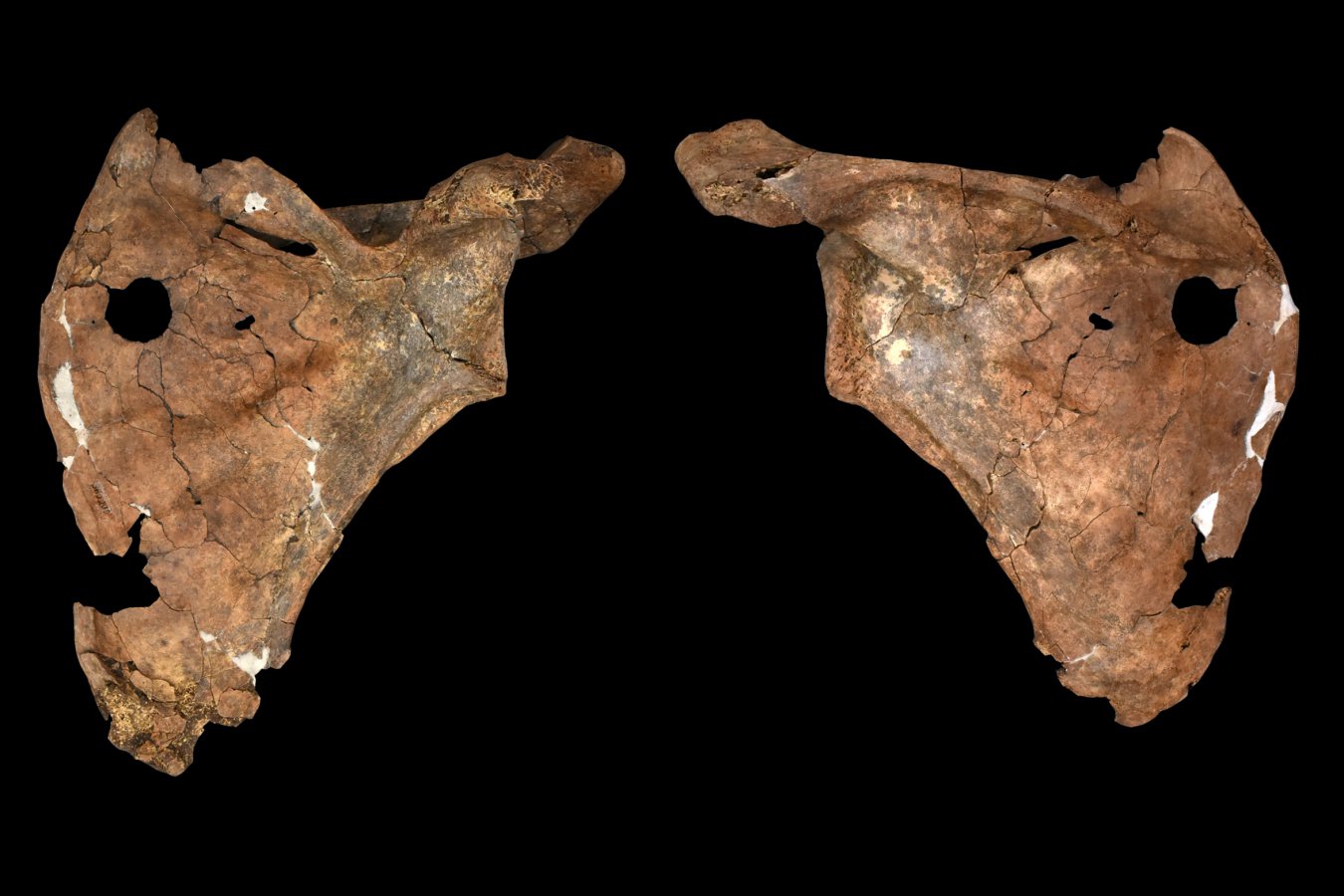
Neanderthal Shoulder Wound Points to Possible Wooden Spear Killing in Iraq
A hole in a 75,000-year-old shoulder blade could be early evidence of lethal spear violence, while other injuries suggest the same Neanderthal also experienced care.
8 sources · today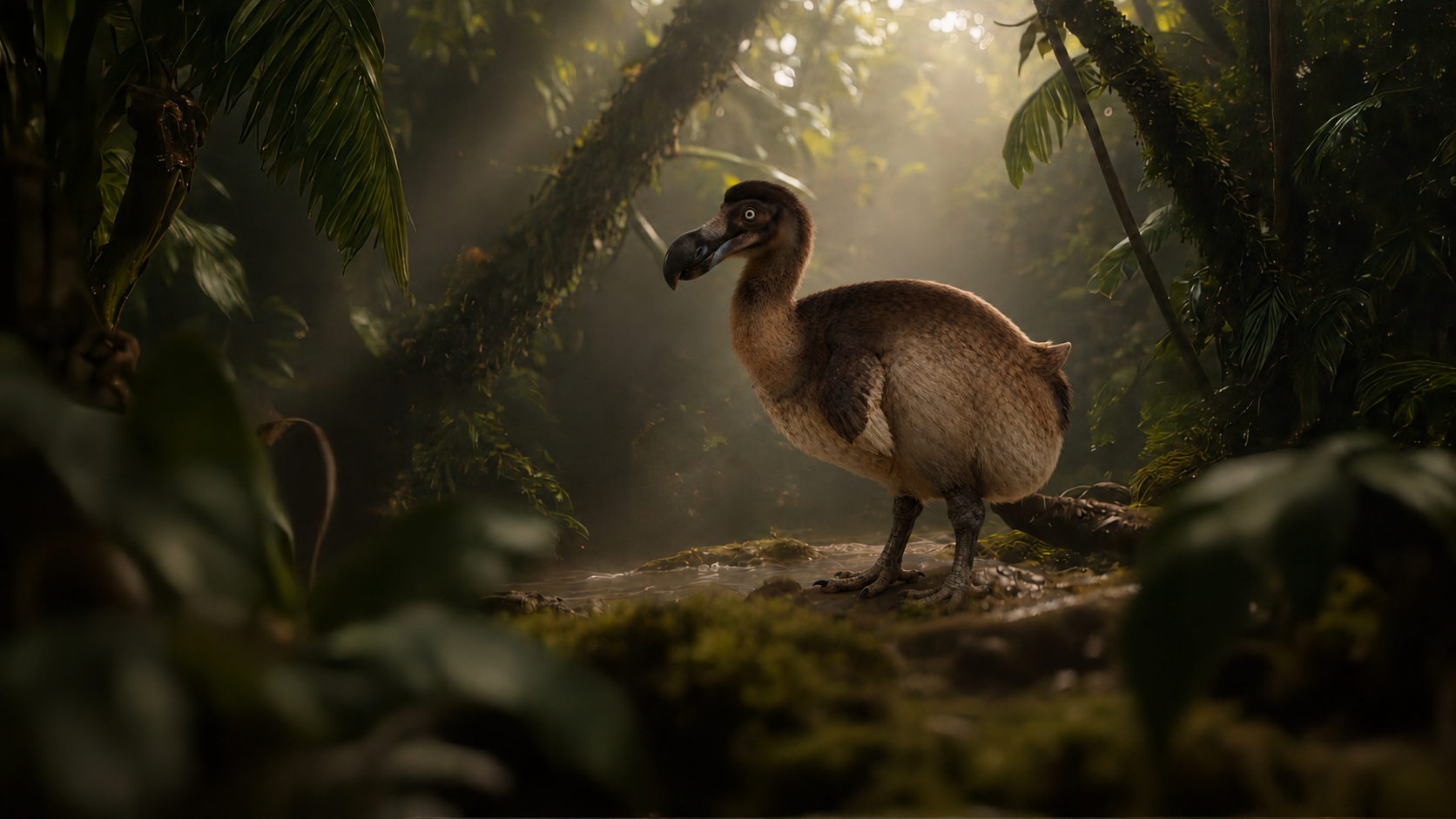
Colossal Announces AI Tool to Advance Efforts to Revive the Dodo
The US biotechnology company says AI has identified genetic targets linked to dodo traits, advancing its research without yet demonstrating that the extinct bird can be recreated.
8 sources · today
Trump Awards National Medals of Science to Musk and Five Tech Leaders
Six technology leaders received the National Medal of Science and technology at a ceremony in Washington on Thursday.
19 sources · over 3 days