
New Zealand Proposes Social Media Ban for Children Under 16 Amid Safety Concerns
New Zealand's government has introduced a bill to prohibit children under 16 from using social media, sparking debate over youth safety, tech regulation, and the feasibility of strict age verification requirements.
By Hushread Stories, written with AI from 15 outlets · First published 24 Aug 2026
In brief
- New Zealand's government proposed a bill to ban social media use for children under 16, aiming to enhance youth safety.
- The bill requires social media platforms to verify user ages, with penalties up to 10 percent of global revenue for non-compliance.
- Coalition partners have expressed concerns about privacy and enforcement, creating uncertainty about the bill's passage in Parliament.
- If enacted, New Zealand would become one of the strictest countries regarding youth access to social media.
- The government is also planning to ban mobile phones in schools to further reduce digital distractions for students.

Timeline · 4 moments
Platforms face fines up to 10 percent of global revenue
South China Morning Post ↗Coalition partners call bill a 'slippery slope'
Mint ↗NZ to require age checks, big fines for non-compliance
Techmeme ↗NZ government prepares social media ban for under-16s
World News CNA ↗How it started
Concerns about the impact of social media on young people have grown in New Zealand, especially regarding mental health, exposure to harmful content, and family disruptions. According to World News CNA, Prime Minister Christopher Luxon highlighted these issues as a driving force behind new legislative efforts. The government pointed to reports that a significant number of teens spend hours daily on platforms such as TikTok and Instagram, raising alarms about their well-being.
Internationally, countries like Australia had already moved to restrict social media access for minors, though with mixed results. As reports of teen circumvention of bans surfaced in Australia, pressure grew on New Zealand to take its own approach. Policymakers argued that stricter age checks and platform accountability could help protect children from online risks.
How it unfolded
On August 24, 2026, news outlets reported that New Zealand's government was preparing a bill to ban social media use for anyone under 16. The proposal would require 'high risk' platforms to verify user ages, with penalties for non-compliance reaching up to 10 percent of a company's global revenue, according to Techmeme and the South China Morning Post. Platforms like Meta, TikTok, and Instagram were specifically mentioned as likely to be affected.
The legislation does not target children with penalties but instead places the burden on social media companies to prevent underage users from accessing their platforms. Various methods for age verification were discussed, including digital IDs and facial age estimation, as reported by The Record by Recorded Future. The bill also aligns with broader international efforts, such as those in the European Union, to introduce mandatory age checks online.
Despite its ambitions, the proposal quickly met resistance. Coalition partners in the government labeled the bill a 'slippery slope', expressing concerns about privacy, enforcement challenges, and the risk of overreach. According to Livemint and the South China Morning Post, this lack of unified support put the bill's future in doubt.
Meanwhile, the government also announced plans to ban mobile phones in schools, as noted by the Times of India, further signaling a crackdown on digital distractions among youth.
Where it stands
As of late August 2026, the bill has been introduced but faces an uncertain path in Parliament. Key coalition partners remain opposed, making it unclear whether the legislation will pass. The proposal has sparked a national debate over youth protection, digital rights, and the practicalities of enforcing age verification at scale.
If enacted, the law would make New Zealand one of the strictest countries in the world regarding youth access to social media. However, its fate depends on whether the government can secure enough political backing to move forward.
What to watch
The next steps will depend on parliamentary negotiations and possible amendments to the bill. Observers are watching whether the government can address privacy concerns and enforcement issues raised by its coalition partners. The global tech industry is also monitoring the outcome, as penalties tied to worldwide revenue would set a significant precedent.
More in Politics
All →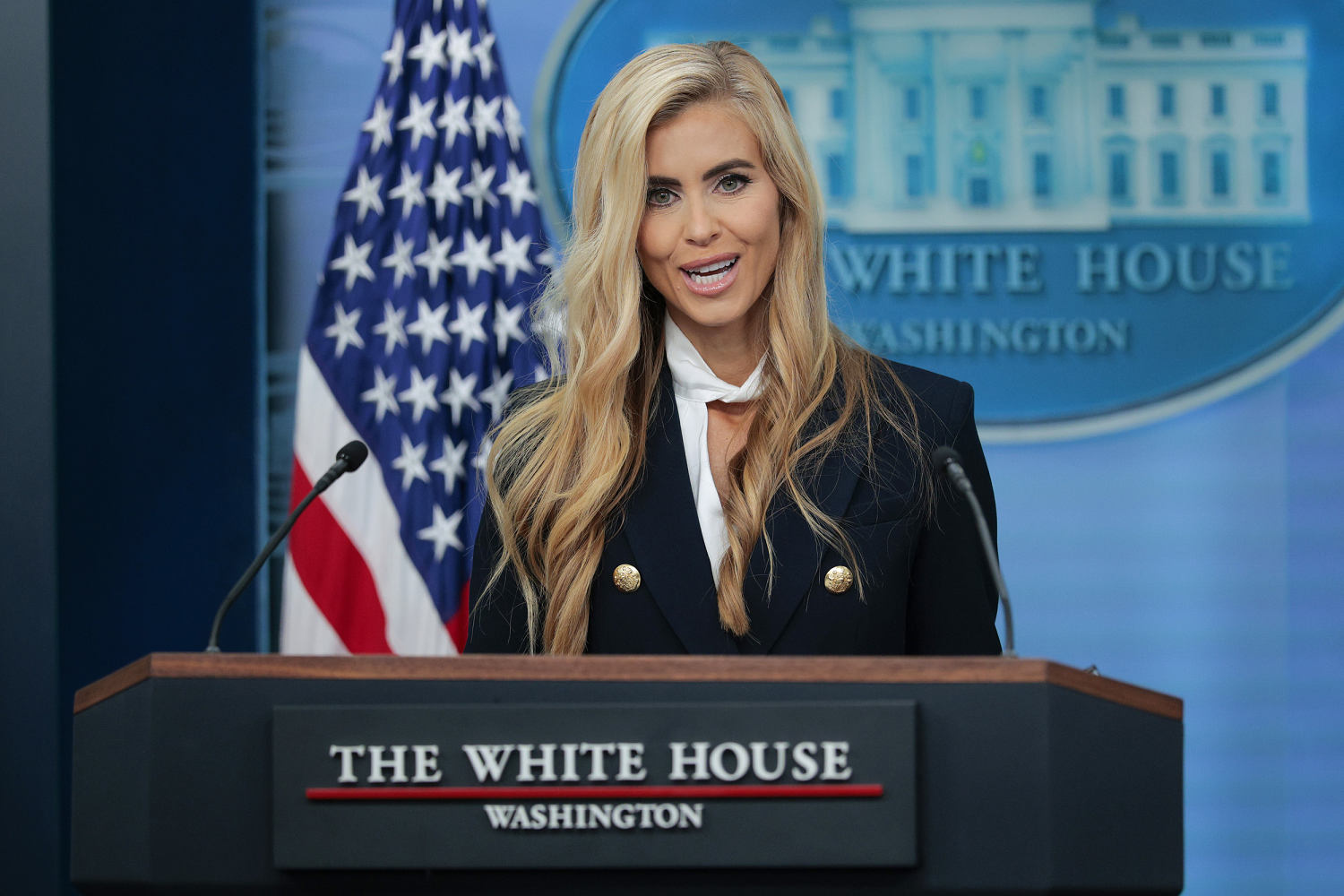
Katie Zacharia Fired After Five Days Amid Questions Over Legal Credentials
Katie Zacharia's departure ends a brief tenure dominated by questions about her legal background and first briefing, after President Donald Trump publicly suggested she reconsider the job.
77 sources · over 5 days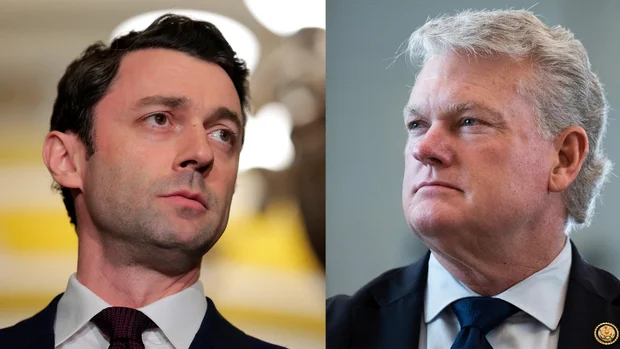
Jon Ossoff Rules Out 2028 Presidential Run in Georgia Senate Debate
The Georgia Democrat pledged to serve a full six-year Senate term if reelected, addressing presidential speculation as his November 3 contest against Republican Mike Collins approaches.
10 sources · over 3 days
Justice Department sues California over voter rolls, warns election workers
The federal government wants roughly 20,000 voters' mail ballots withheld from counting, and has warned California election officials of possible prosecution weeks before the midterms.
15 sources · over 4 days