
Nintendo Switch 2 Sales Fall as Higher Prices and Costs Bite
Nintendo faces slowing Switch 2 sales and pressure on profits, but says further console price changes are not currently under consideration and is maintaining its annual net profit forecast.
By Hushread Stories, from 15 outlets · First published 5 Nov 2026
In brief
- Nintendo reported weaker Switch 2 sales in its fiscal second quarter after raising console prices earlier this year.
- Reports disagree on the sales decline, with some citing 41 percent and others reporting 37 percent.
- Rising memory costs and a shortage of major new game releases weighed on Nintendo's quarterly profit.
- Nintendo maintained its full year net profit forecast of 310 billion yen despite the quarterly setback.
- Nintendo says further Switch 2 price changes are not currently being considered and reports sufficient memory supplies.
Timeline · 4 moments
Worldwide Switch 2 sales reach 26.35 million units
Gematsu ↗Nintendo maintains annual net profit forecast despite quarterly drop
Japan Times ↗Memory costs and limited major releases weigh on profit
Bloomberg Technology ↗Nintendo reports sharp fiscal second quarter Switch 2 slowdown
CNBC Technology ↗How it started
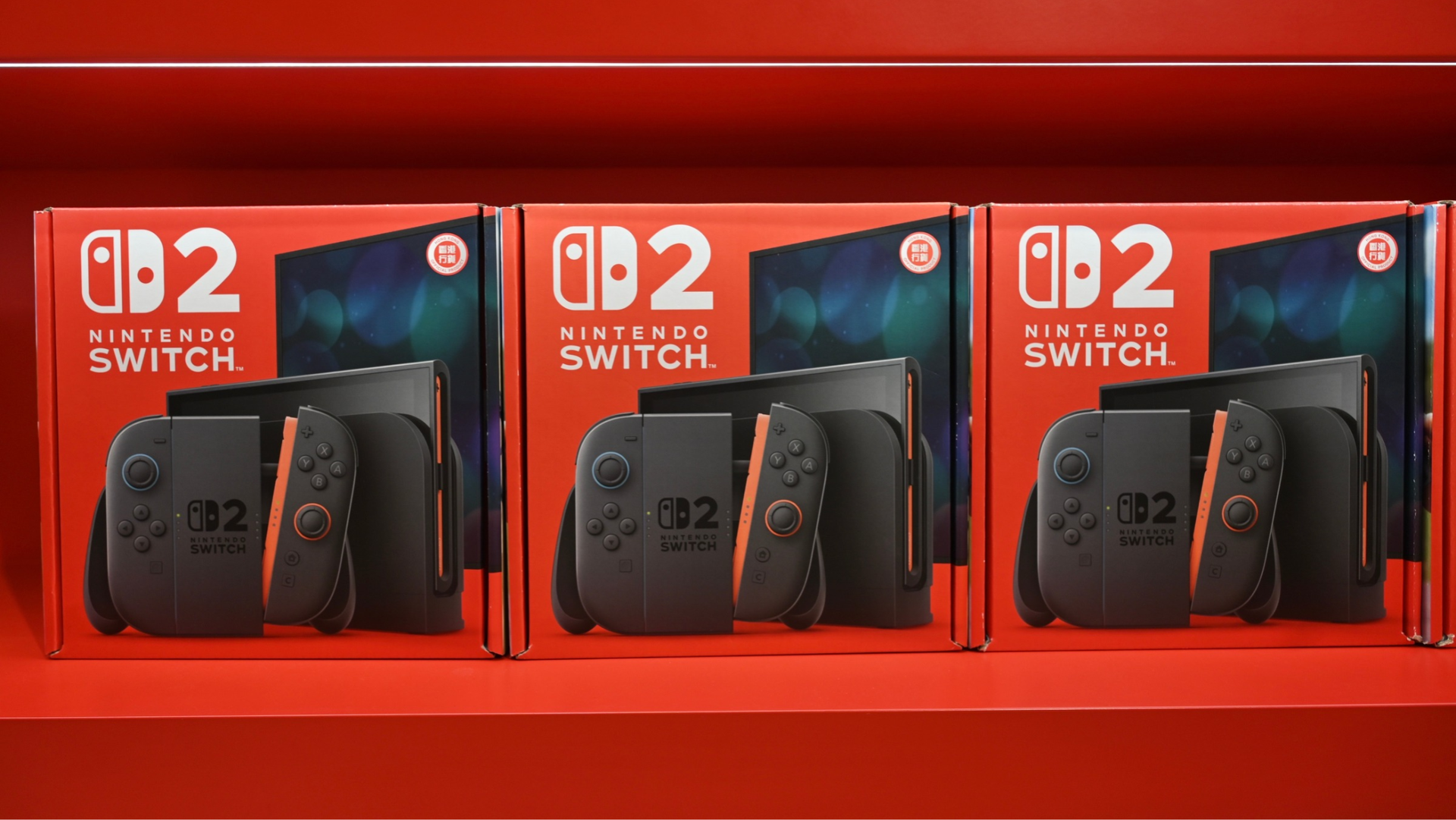
Nintendo's latest results put two pressures on the Switch 2 business in focus: higher console prices and rising component costs. CNBC Technology reported that sales plunged in the fiscal second quarter after Nintendo introduced price increases amid soaring memory costs.
The earnings pressure was not just about hardware. According to Bloomberg Technology, the September quarter also suffered from a shortage of major new game releases.
How it unfolded
On November 5, Nintendo released results for the July to September quarter of its 2026-27 fiscal year, according to Nintendo World Report Updates. The reports showed a slowdown in Switch 2 sales, although the coverage differs on its size.
CNBC Technology put the fiscal second-quarter sales decline at 41%. Thurrott.com, by contrast, reported quarterly sales of 6.49 million consoles, down 37% from a year earlier. The supplied coverage does not reconcile those figures.
The timing also complicates the explanation. PC Gamer reported that most of the summer sales decline occurred before the price increase took effect. That makes higher prices an incomplete explanation for the slowdown, even as they add pressure on buyers.
Profit reporting contains a separate discrepancy. Japan Times reported a second-quarter net profit decline, while Bloomberg Technology also described falling profit. The summary from Engadget, however, says profit increased. The supplied material does not explain the difference.
Alongside the results, Nintendo president Shuntaro Furukawa confirmed that the company was not currently considering further Switch 2 price changes, according to Nintendo Life.
Where it stands
Nintendo is maintaining its full-year net profit forecast of ¥310 billion despite the quarterly decline, Japan Times reported. That leaves its annual target unchanged even as hardware sales and component costs put pressure on the business.
The weaker quarter also sits alongside a substantial cumulative sales total. Switch 2 worldwide sales have reached 26.35 million units, according to Gematsu. That lifetime figure measures something different from the recent quarterly slowdown.
Memory availability and memory cost are separate issues. While rising costs have hurt margins, Nintendo says it has access to enough memory to manufacture more Switch 2 consoles, according to Eurogamer.net Gaming.
What to watch
The next results will test whether Nintendo can meet its unchanged ¥310 billion annual net profit forecast while absorbing component costs without another console price increase. The forecast remains in place, according to Japan Times, while the current position on pricing was reported by Nintendo Life.
The scale of the hardware slowdown also needs clarification. CNBC Technology and Thurrott.com give different quarterly declines, while PC Gamer raises a timing issue over how much of the fall can be attributed to higher prices.
More in Gaming
All →
Rockstar Sets GTA 6 Preload for November 10 Before Console Launch
With launch two weeks away, Rockstar has confirmed an early download requiring up to 212 GB, while Sony tightens console security and preorder estimates exceed $750 million.
28 sources · over 4 days
Bethesda Reveals The Elder Scrolls VI: Sentinel Name and Logo
Bethesda's 40th anniversary celebration brings an official name and logo for its next Elder Scrolls game, more than eight years after the original reveal.
21 sources · over 3 days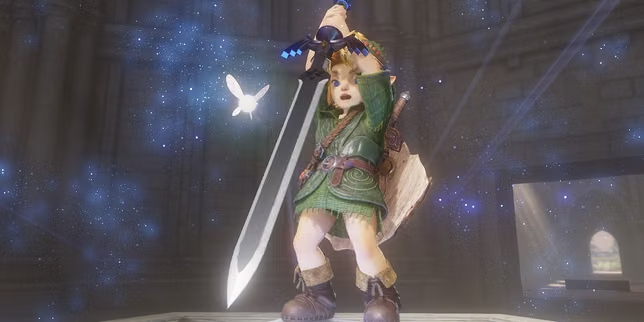
Zelda: Ocarina of Time Remake Gets Launch Update as Reviews Arrive
Nintendo's Switch 2 remake launches November 5, with early reviews praising its refresh while development accounts explain why some modern conveniences were deliberately left out.
25 sources · over 4 days